
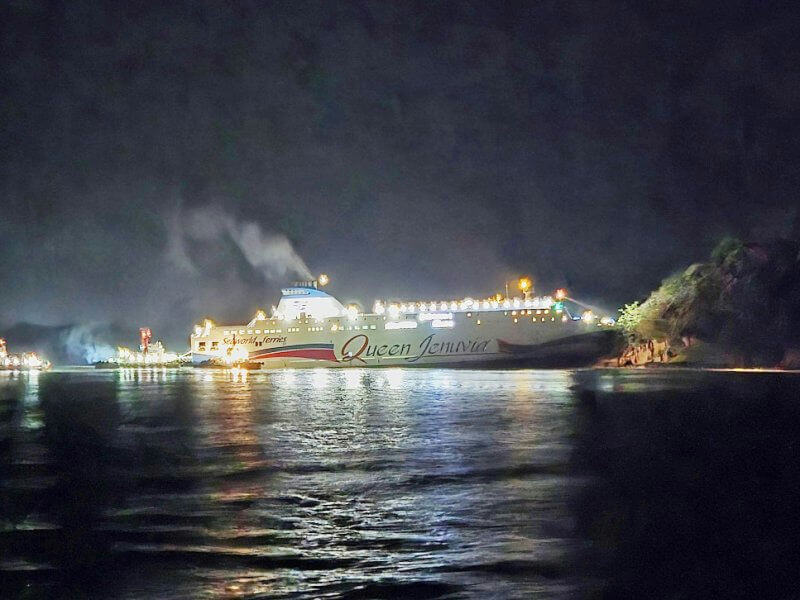
A major maritime accident off the coast of Sinan County, South Korea, ended in relief rather than tragedy, as all 267 people aboard the Queen Jenuvia II were safely rescued after the ferry ran aground thanks to a swift and organized evacuation process prioritizing children and the elderly.
According to the Korea Coast Guard, the incident occurred at approximately 8:16 PM on November 19, as the ferry, en route from Jeju to Mokpo, struck an underwater rock formation and became stranded in the waters near Sinan, South Jeolla Province. Onboard were 246 passengers and 21 crew members.
Rescue units, including high-speed patrol boats and the West Sea Special Rescue Team, arrived on the scene within 20 minutes of the initial distress call. Evacuation proceeded in a calm, orderly manner, aided by clear onboard announcements instructing vulnerable individuals such as children, pregnant women, and elderly passengers to disembark first.
One passenger described the scene: “They told us to let people with kids, pregnant women, and younger passengers go first. The announcement came quickly, and everything went smoothly.”
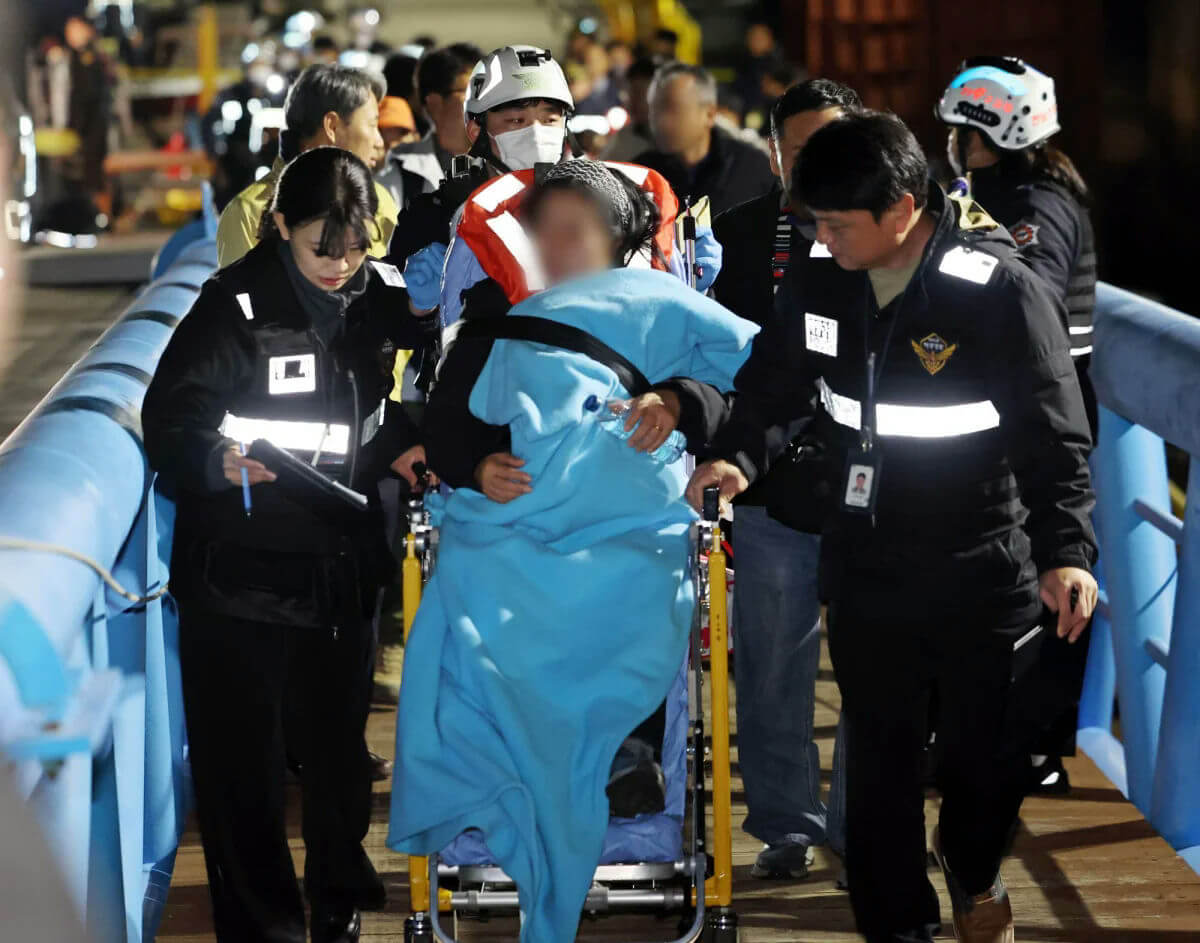
Passengers donned life jackets and followed crew instructions while disembarking. Notably, crew members remained aboard until the last passenger was rescued, a sharp contrast to the infamous 2014 Sewol ferry disaster, in which many crew including the captain abandoned ship before completing evacuation procedures. This time, the quick, responsible actions of the crew and rescue teams prevented any loss of life, earning widespread praise.
The Korea Coast Guard suspects the grounding was due to navigational negligence. At a briefing on November 20, Commissioner General Kim Yong-jin stated, “While further investigation is necessary, we currently believe the incident was caused by human error either by the captain or navigator.” Mokpo Coast Guard Chief Chae Soo-joon added that it is unusual for such a large vessel to collide with an island, and a dedicated investigation team is now working to determine the exact cause.
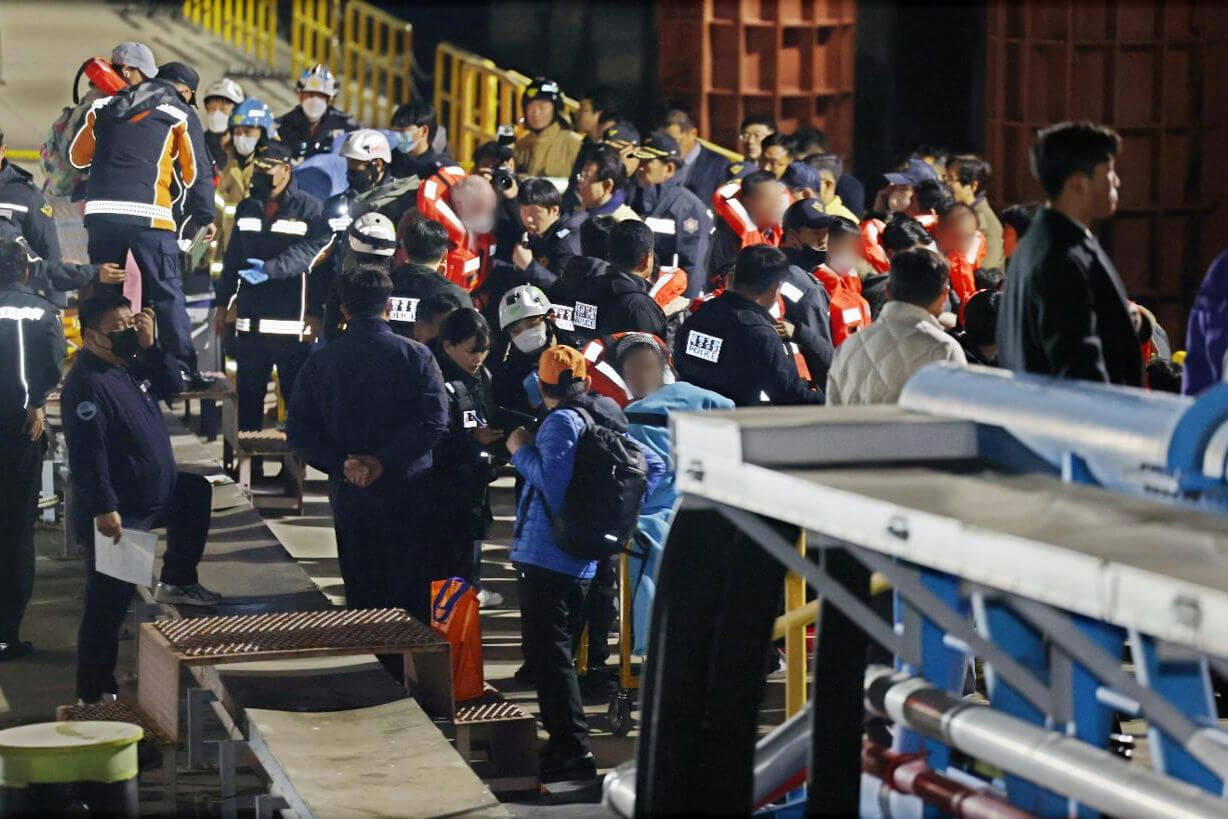
Authorities plan to focus their investigation on whether mandatory pre-departure safety checks were performed, who was on duty in the steering room, and whether autopilot systems and navigational routes were properly managed. They also announced discussions with the Ministry of Oceans and Fisheries to evaluate the possibility of refloating the stranded vessel and using tugboats for removal.
While the incident will likely lead to scrutiny over maritime safety protocols, the successful rescue operation highlights the critical importance of preparedness, leadership, and accountability in preventing disasters at sea.
Sources: nate
You must be logged in to post a comment.