
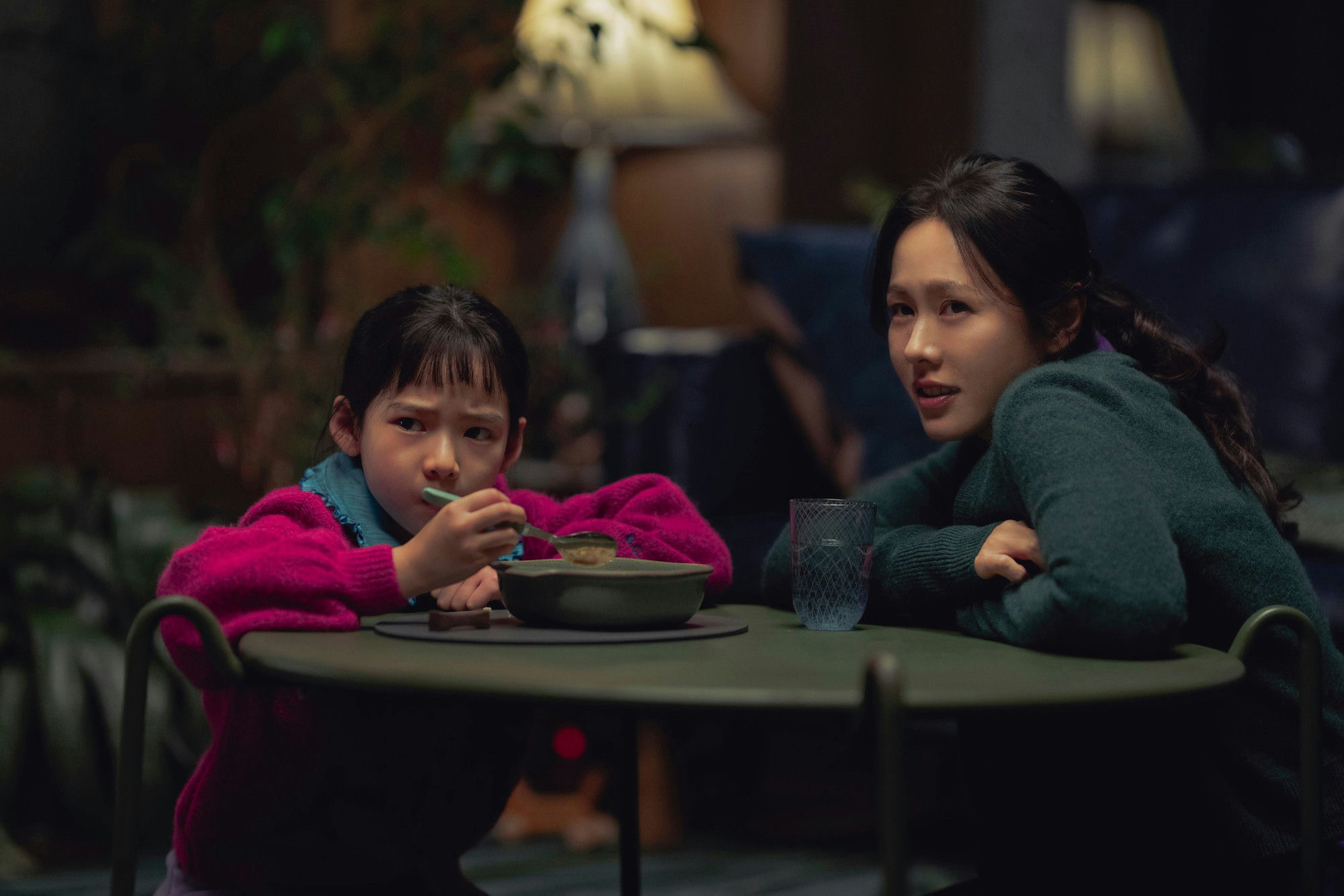
The phrase “a master’s return” always ignites excitement, and No Other Choice, directed by Park Chan-wook, was no exception. Backed by Korea’s largest distributor CJ, a cast filled with top stars, and the acclaimed name of the auteur himself, the film had “guaranteed success” written all over it even before its release. With a global campaign already completed, it was touted as a surefire “10 million ticket-seller.”
But reality proved far less generous. While expectations soared, reactions from critics and audiences diverged, with lukewarm viewer ratings and clearly polarized opinions. The box office ended at just 2.93 million admissions. Given the equation of “Park Chan-wook × CJ × All-Star Casting,” this was undeniably a commercial disappointment.
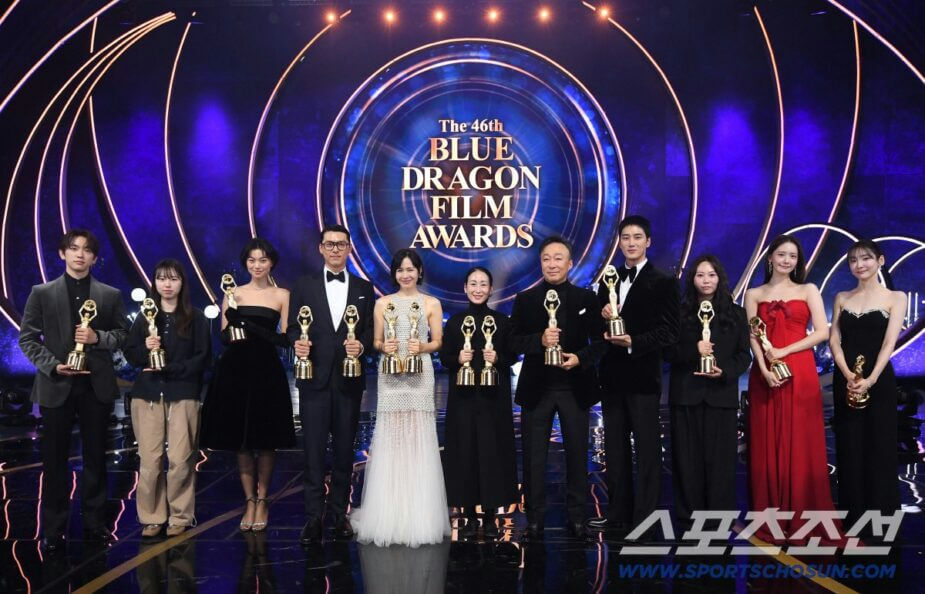
As one programmer at the Busan International Film Festival put it, “The title of ‘master’ raised expectations too high. The work simply couldn’t carry that weight.” A distribution official admitted, “Marketing was already wrapped at launch. We assumed a positive response would follow naturally but the result was surprisingly awkward.”
While the film retained Park’s signature style and gravitas, criticisms pointed to emotional disconnect, unbalanced characters, and a hollow narrative. The most telling feedback came from audiences who detected the director’s faltering rhythm.
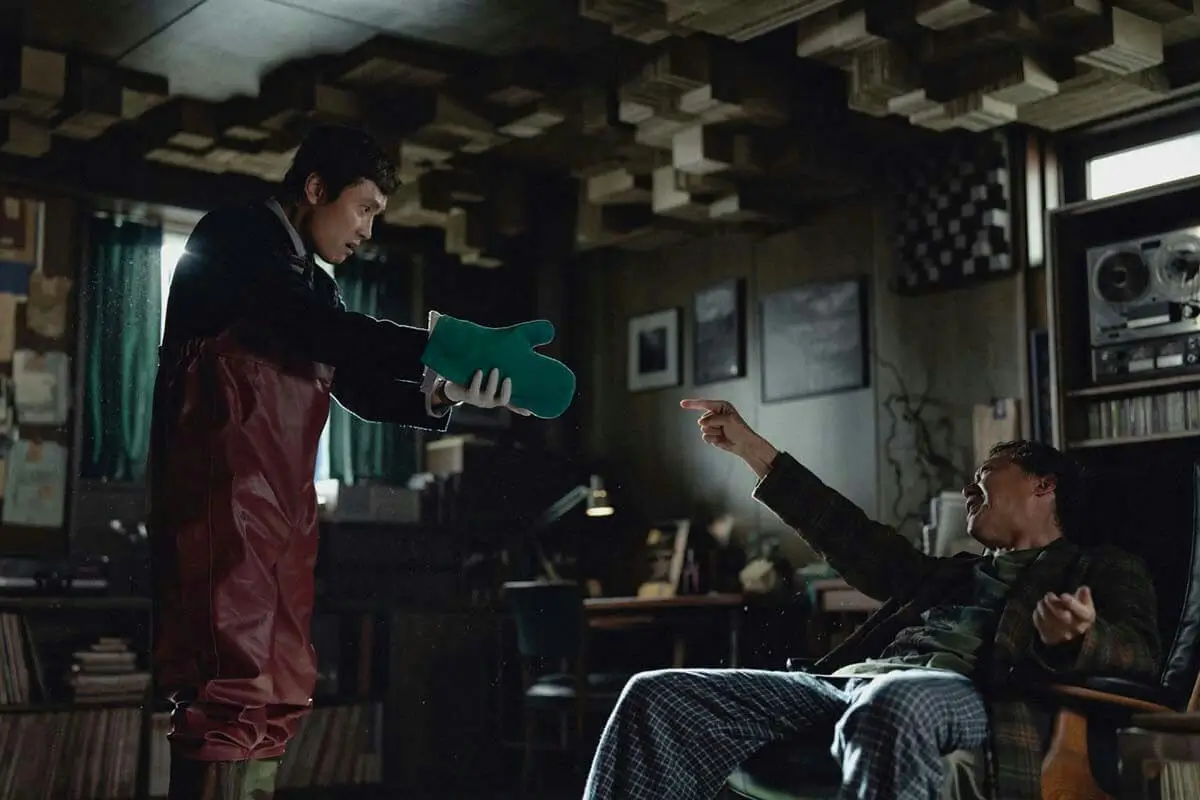
And then came another blow this time from the Blue Dragon Film Awards.
Son Ye-jin is undoubtedly a stellar actress, with a proven career, talent, and popularity. The issue here isn’t her, but rather the legitimacy of the awards themselves in recognizing artistic merit, context of competition, and the spirit of the celebration.
A film that neither critics nor audiences embraced, and which underperformed at the box office, ended up sweeping the top prizes: Best Film, Best Director, Best Supporting Actor, and Best Actress.
Meanwhile, director Yeon Sang-ho’s low-budget but impressive The Ugly went home empty-handed. The year’s top-grossing film My Daughter Is a Zombie received only the Audience Award, and The Old Woman with the Knife, a bold narrative about a female assassin in her 60s, was also completely overlooked. Harbin earned Hyun Bin the Best Actor award.
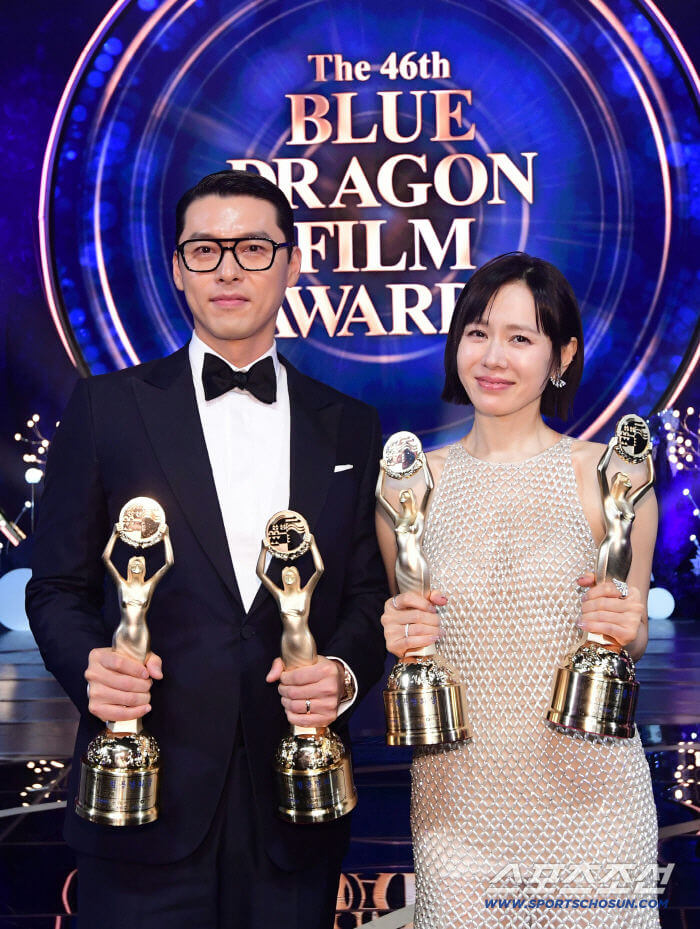
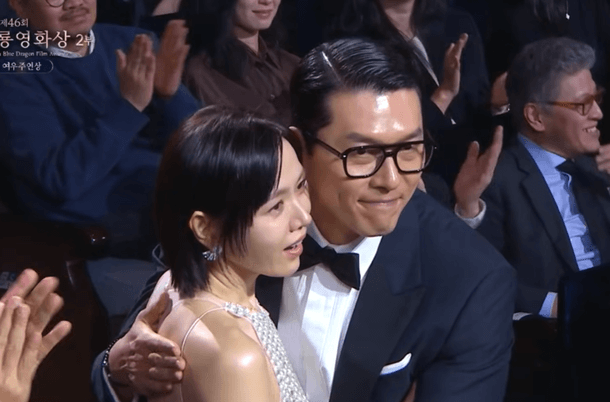
Without a doubt, the night’s most talked-about moment was the celebrity couple Hyun Bin and Son Ye-jin gracing the red carpet and stage together a picture-perfect spectacle. Even winning Popularity Awards side by side felt like a scene from a film.
Yet eyebrows were raised when Hyun Bin edged out stronger contenders like Park Jeong-min (The Ugly) and Lee Byung-hun (No Other Choice) for Best Actor. Then came the surprise announcement of Son Ye-jin, whose role in No Other Choice was comparatively limited in both screen time and impact, as Best Actress. The atmosphere in the hall shifted noticeably. It was a glamorous, buzzworthy moment but was it truly deserving of standing ovation?
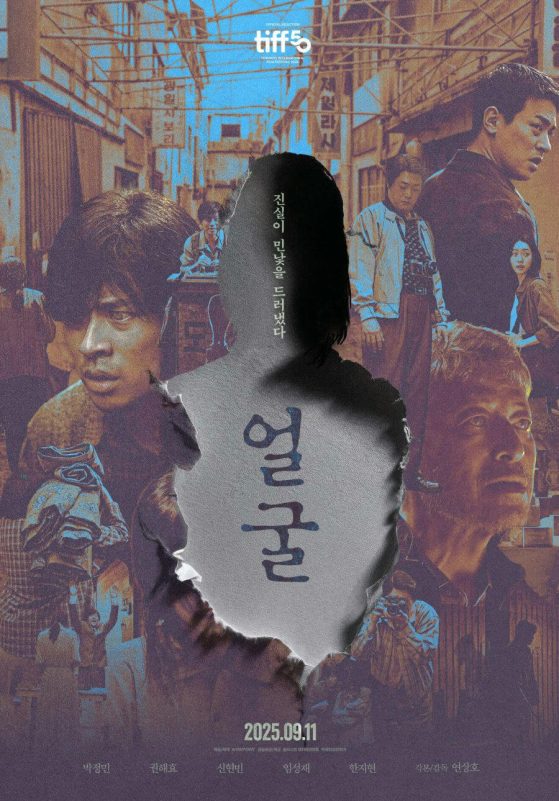

A manager from a talent agency remarked cautiously but firmly: “When major awards go to performances lacking resonance or relevance, controversy naturally follows. It becomes a burden for the recipients too.”
Whether the selection was a nod to cinematic prestige, a gesture of courtesy, or an orchestrated moment aimed at maximizing media buzz and ratings, the decision to crown No Other Choice so heavily was difficult to cheer for wholeheartedly.
What made the dissonance even more poignant were the acceptance speeches.
Son Ye-jin recalled, “In my 20s, the Blue Dragon Newcomer Award helped me endure tough times.” Rising actresses like Kim Do-yeon and Park Ji-hyun wept, confessing, “I didn’t think I craved awards, but now I want to work even harder.”
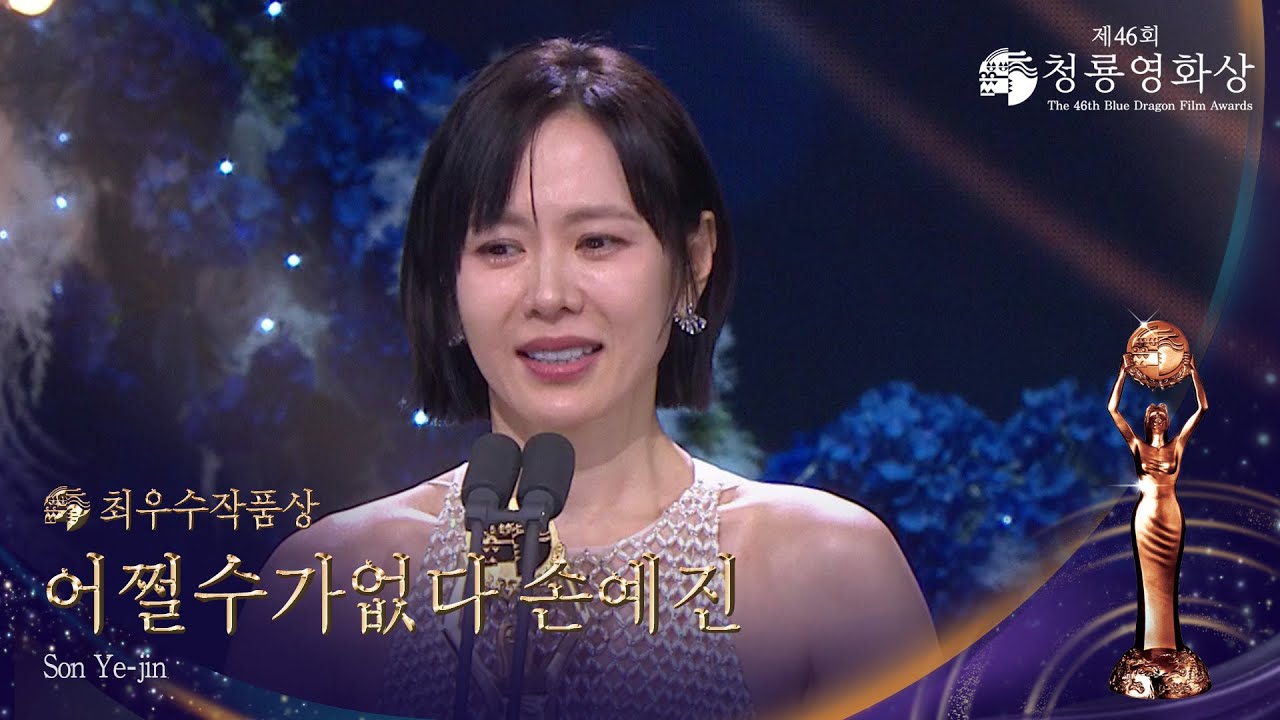
Their emotional words reminded everyone that awards are not just lines on a resume they can be the beginning of an artist’s journey. It is the film festival’s responsibility to uphold that meaning with integrity. And yet, in a year meant to celebrate merit, the standards themselves were blurred.
A trophy that should carry enormous weight was handed out in the lightest of ways.
In the end, the director’s reputation couldn’t save the film. The audience was not fooled.
And as we witnessed the tears of those who truly understand the value of an award, we are left wondering: was this the best the Blue Dragon could do or just something that “couldn’t be helped”?
Sources: nate
You must be logged in to post a comment.