
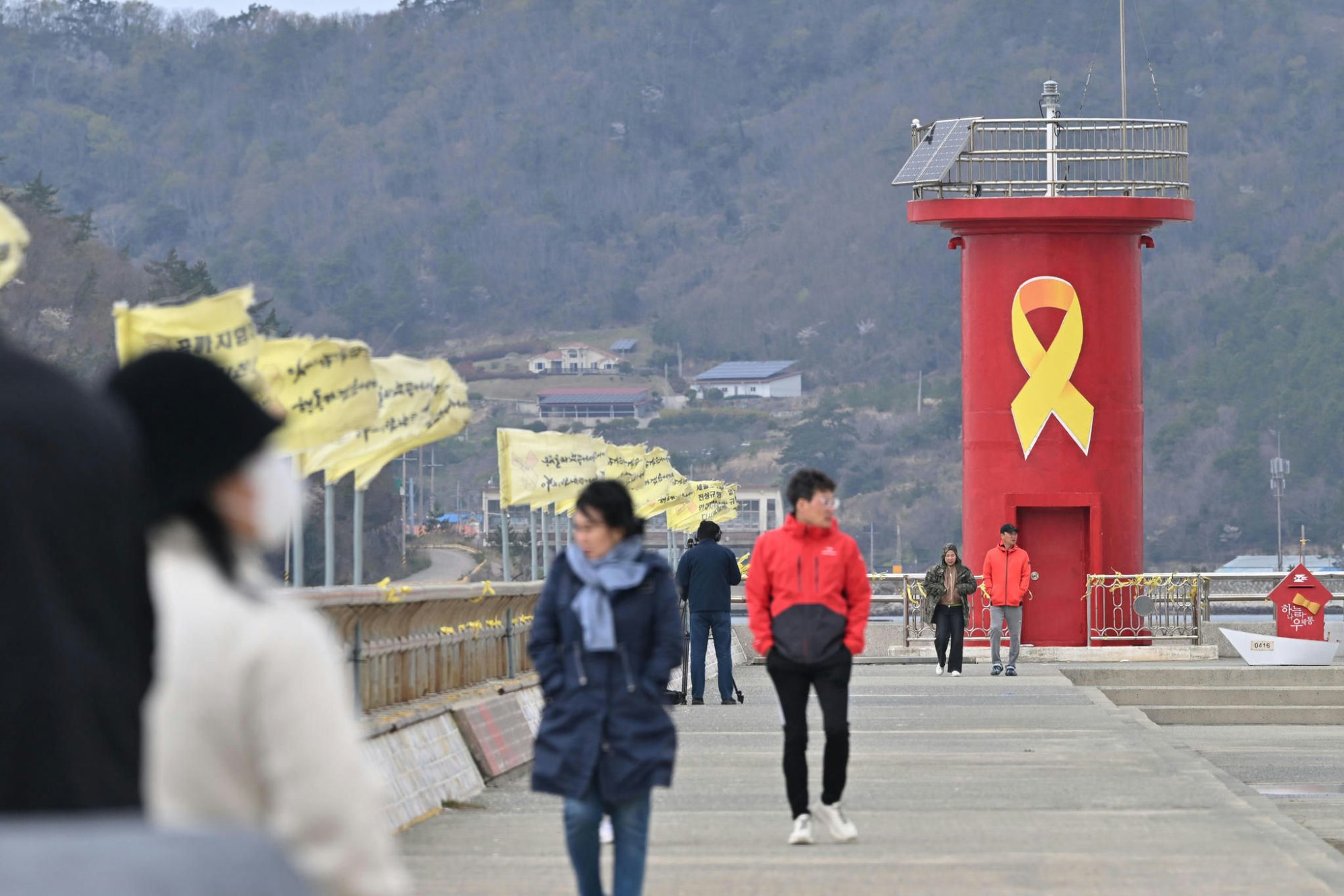
The death of a survivor of the 2014 Sewol Ferry Disaster has reignited public discussion about the long-term emotional scars carried by those who lived through one of South Korea’s deadliest peacetime tragedies.
On June 21, former Sewol Ferry Disaster Families Association executive committee chairman Yoo Gyoung-geun shared the heartbreaking news through a post on Threads titled, “Why Do They Have To Live For Their Friends Too?”
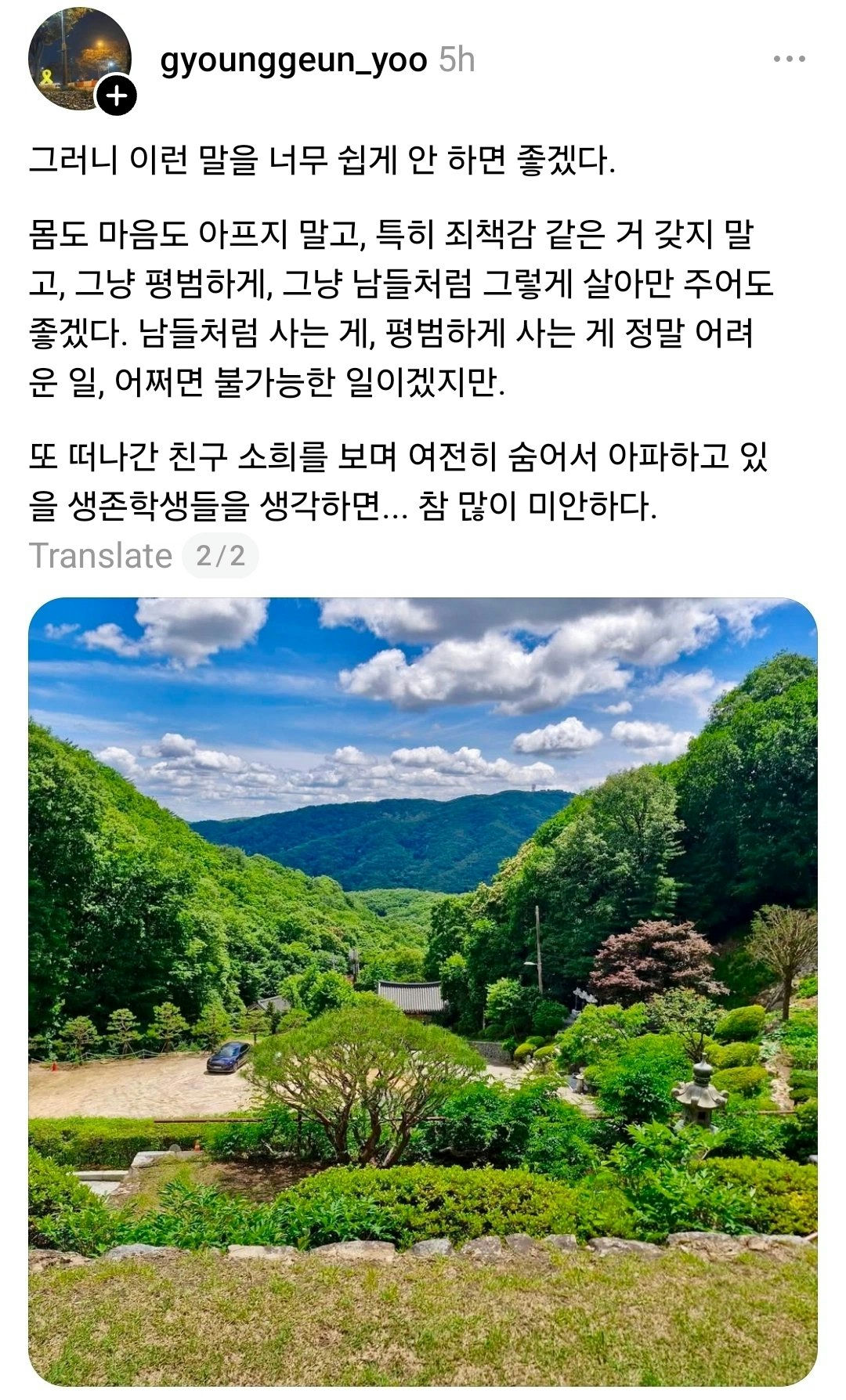
According to Yoo Gyoung-geun, the survivor identified only as Sohee had endured years of severe emotional pain following the disaster.
In his post, Yoo Gyoung-geun revealed that Sohee had repeatedly struggled with overwhelming grief in the years after surviving the sinking. He wrote that the survivor had now “gone to be beside her friends” at Ansan Haneul Park, a memorial site associated with victims of the Sewol tragedy. Yoo Gyoung-geun also urged the public not to forget that survivors and civilian divers were victims as well, emphasizing that their suffering did not end when they were rescued.
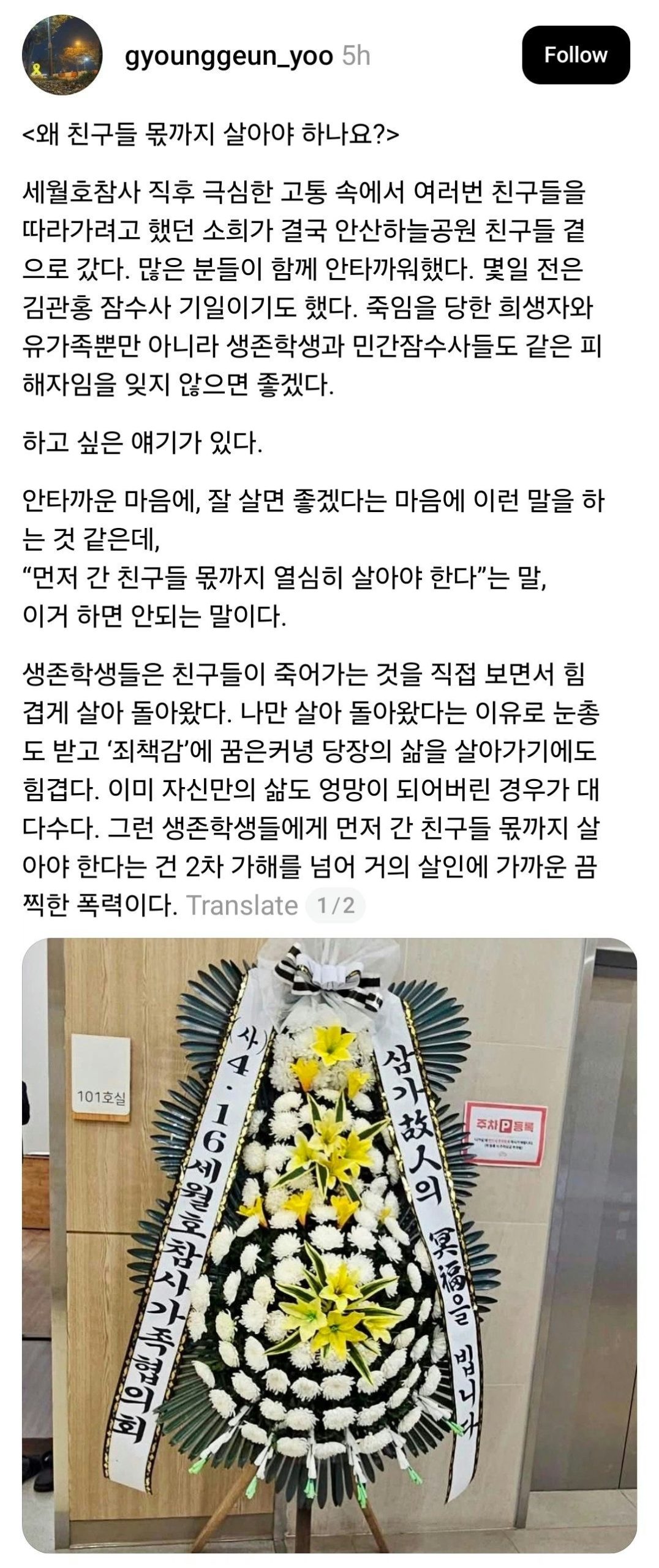
Yoo Gyoung-geun’s message focused on a phrase often directed toward survivors after tragedies: “ You have to live on for the friends who left first.” While many people say such words with good intentions, Yoo Gyoung-geun argued that they can place an unbearable burden on survivors already struggling with guilt and trauma. He explained that many students who survived the Sewol disaster witnessed the deaths of their classmates firsthand. After returning home, some faced social stigma and intense feelings of guilt simply because they survived.
According to Yoo Gyoung-geun, telling survivors they must live on behalf of those who died can deepen their emotional wounds rather than help them heal. He described such comments as a form of secondary harm that may further burden those already carrying immense psychological pain.
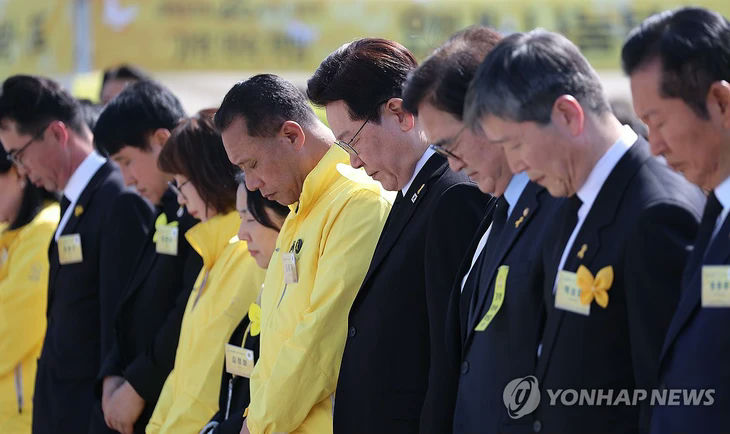
Yoo Gyoung-geun urged the public to avoid imposing expectations on survivors. Instead, he said he hoped they could live ordinary lives free from guilt and emotional suffering. He noted that something as simple as living normally can become incredibly difficult for people who have experienced profound trauma. Reflecting on the news of another survivor’s death, Yoo Gyoung-geun expressed sorrow for those who may still be suffering quietly and out of public view.
Following the post, many online users shared messages of condolence and reflected on the invisible burden of survivor’s guilt. Comments included:
- Rest in peace.
- I can’t even imagine what they went through.
- I hope they finally find peace.
- Those of us who never experienced it can never fully understand their pain.
Many users also expressed sympathy for other survivors who may still be coping with trauma more than a decade after the disaster.
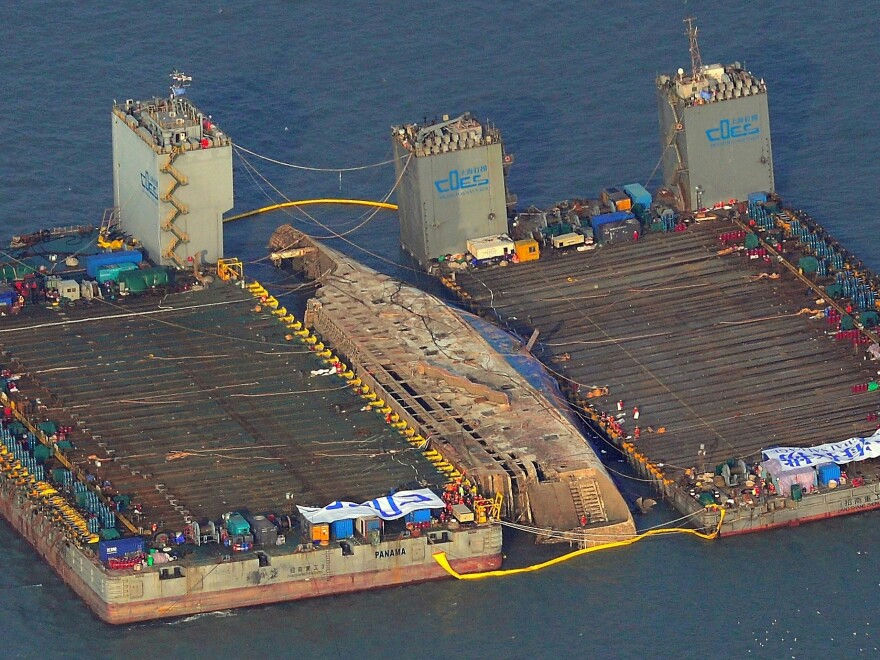
The Sewol ferry sank on April 16, 2014, while traveling from Incheon to Jeju Island. Of the 476 passengers and crew members on board, 304 people died or remain missing, while 172 survived. Many of the victims were students from Danwon High School who were on a school trip. The tragedy shocked South Korea and prompted widespread criticism of emergency response efforts, becoming one of the country’s most painful national disasters.
More than 12 years after the sinking, Yoo Gyoung-geun’s message has served as a reminder that the impact of the Sewol disaster continues long after the headlines faded.
For survivors, bereaved families, rescue workers, and civilian divers, the emotional consequences remain a part of daily life. The recent loss of another survivor has once again highlighted the importance of understanding trauma, survivor’s guilt, and the long road toward healing.
Sources: JoongAng Ilbo,Theqoo
You must be logged in to post a comment.