
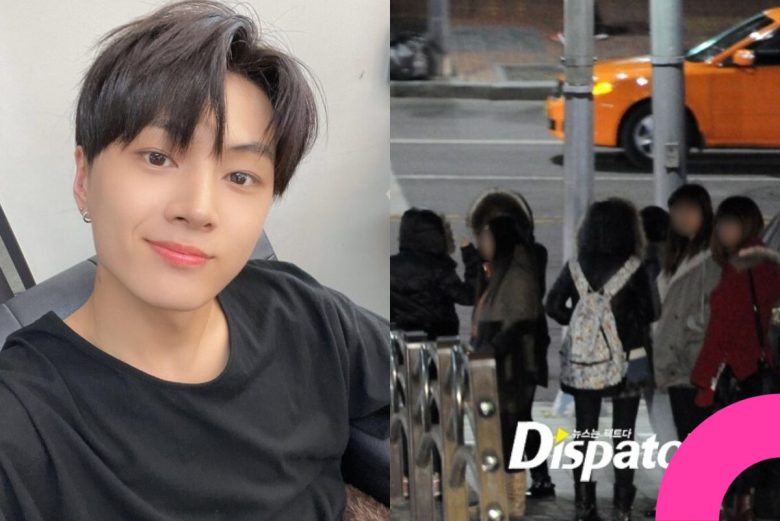
A viral online post is drawing widespread attention for its shocking claims about the inner workings of so-called “sasaeng” fan groups once again highlighting the darker side of K-pop fandom culture.
The discussion, which quickly spread across online communities, is based on an alleged firsthand account from a fan who briefly became involved in a sasaeng network targeting ENHYPEN member Jay. According to the post, what initially seemed like an ordinary fan experience gradually revealed itself to be something far more structured and unsettling.

After moving to China, the fan described how she was introduced to a private group chat dedicated to Jay. What she found inside was not a casual fan space, but something she compared to a “corporation,” complete with hierarchy, roles, and coordinated efforts. A small number of leaders appeared to manage operations, while members across different cities worked in sync, communicating through layered group chats.
One of the most surprising aspects, she claimed, was how organized fundraising played a central role. Members allegedly contributed money to gain access to sensitive information such as flight details, hotel locations, and private schedules that were not publicly available. These funds were also used to support members tasked with physically positioning themselves near key locations like dorms, airports, and hotels in order to track the idol’s movements.
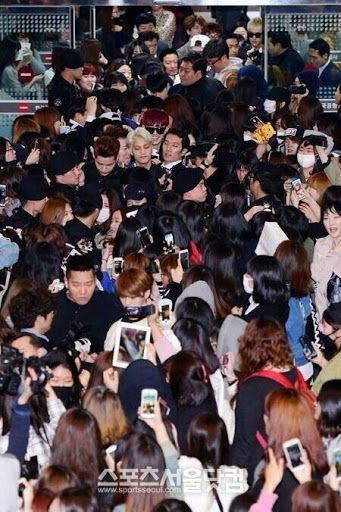
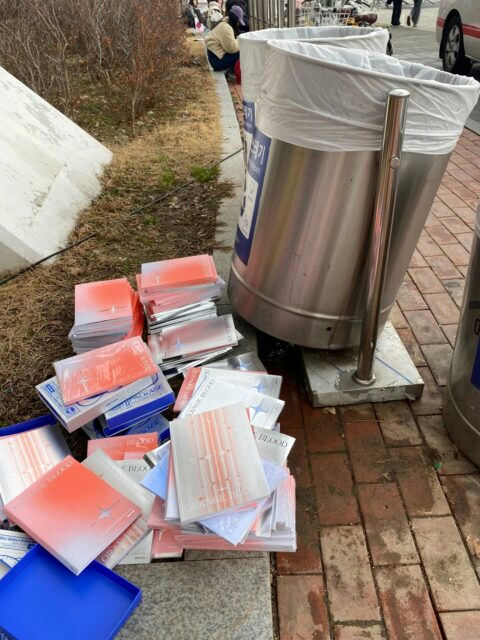
As comeback periods approached, the group’s activities reportedly intensified. Members were encouraged or expected to purchase large quantities of albums, not only to support chart performance but also to increase their chances of being selected for fansign events.
According to the post, accounts that bought more albums became more valuable within the system, and were even used collectively to maximize fansign entry odds. The same structure allegedly extended to ticketing, where bulk purchases allowed certain members to control access and resell opportunities within the group.
Perhaps the most disturbing realization, the fan shared, was the mindset that allowed such a system to function. Within the group, idols were no longer viewed as individuals but as assets. Referring to Jay, she explained that “he wasn’t seen as a person, but as a resource,” adding that once this perspective took hold, the group’s extreme behavior began to feel internally justified.
Although the fan was eventually removed from the group, she left with a deeper understanding of how these networks allegedly operate behind the scenes. Her account, while unverified, has resonated with many online, sparking intense debate about the ethics and dangers of obsessive fandom culture.
It is important to note that these claims originate from an anonymous source and have not been independently confirmed. However, the story has reignited long-standing concerns about sasaeng behavior in the K-pop industry particularly regarding privacy violations, stalking, and the emotional toll on artists.
As the conversation continues, many fans are calling for stronger protections and clearer boundaries, hoping to ensure that idols like Jay and others are treated not as commodities, but as human beings deserving of respect and safety.
Sources: Koreaboo,Reddit
You must be logged in to post a comment.