
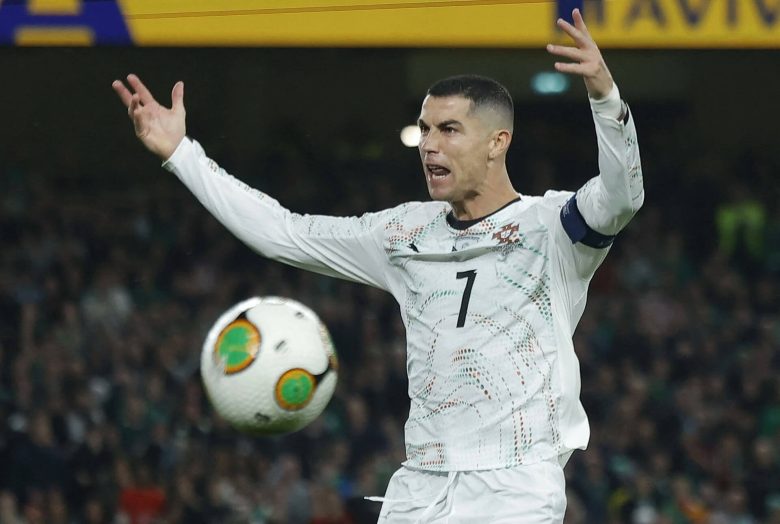
After more than two decades and 226 appearances in the Portugal national team without a major disciplinary blemish, Cristiano Ronaldo‘s iconic journey hit an unexpected bump in Dublin—a momentary outburst that could ripple all the way to the 2026 World Cup.
The Red Card Heard Across Portugal
In the 0–2 loss to Ireland, Ronaldo’s unexpected elbow to a defender not only earned him a straight red card—it marked a rare emotional lapse for a player celebrated for his composure and leadership. Portuguese sports daily A Bola, typically reserved in its critique, declared the night “A day to forget”—not because of the scoreline, but due to the image Ronaldo left behind.
The outlet implied the act was less about youthful impetuousness and more a misstep of a veteran under pressure: “Ronaldo, the symbol of control and resilience, lost what defined him.” For many, this wasn’t merely a red card—it was a reflection of the mounting weight Ronaldo carries as the eternal talisman of Portuguese football.
When One Man Carries the Mood of a Nation
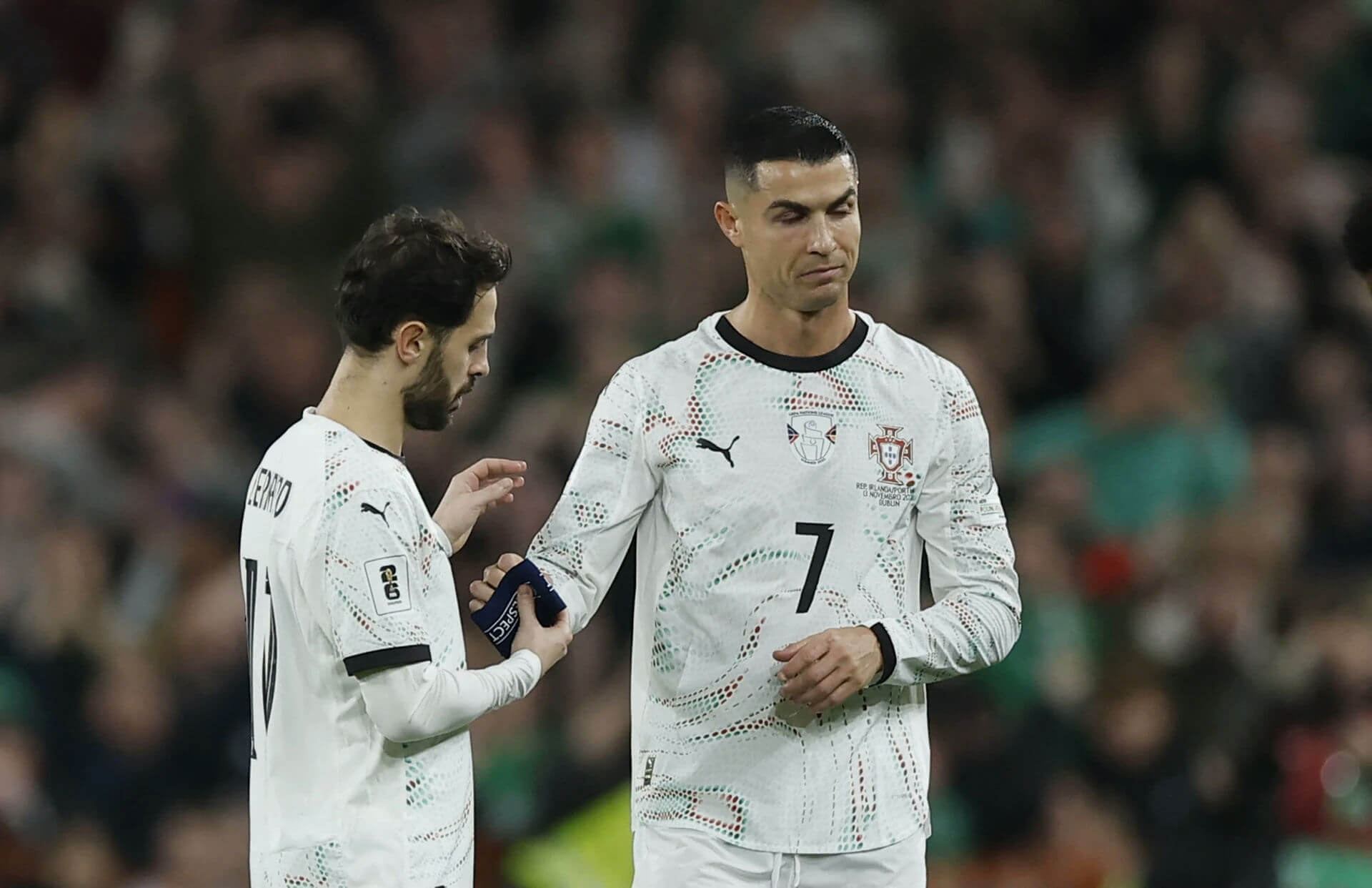
Record, another major Portuguese newspaper, took a broader view: the emotional dependency the national team still places on their 40-year-old icon. When Ronaldo thrives, the team soars. But when he falters, so does the spirit of the entire squad.
The loss to Ireland became a clear case study of that dynamic. Ronaldo’s outburst didn’t just reduce Portugal to ten men—it shattered the team’s emotional balance. This wasn’t just an isolated error; it exposed a long-standing vulnerability. Portugal didn’t just lose a player—they lost their emotional compass.
The Stakes of Suspension: A World Cup in Jeopardy
Perhaps the most chilling take came from O Jogo, which warned that Ronaldo’s suspension could extend to Portugal’s opening match at the 2026 World Cup. For a player widely believed to be preparing for his final global tournament, the prospect of missing that first game carries symbolic weight.
“This is more than just a red card—it’s a crack in a national monument,” the outlet wrote, suggesting the infallible image of Ronaldo had, for the first time, shown signs of fragility.
Now the Ball is in Ronaldo’s Court
What unites the voices of Portugal’s leading sports media isn’t condemnation, but a shift in narrative. The press isn’t abandoning Ronaldo—they’re treating him like any other player, something he once said he welcomed. But with legends, equality comes with intensity. They won’t protect him. They expect him to rise to the standards his legacy demands.
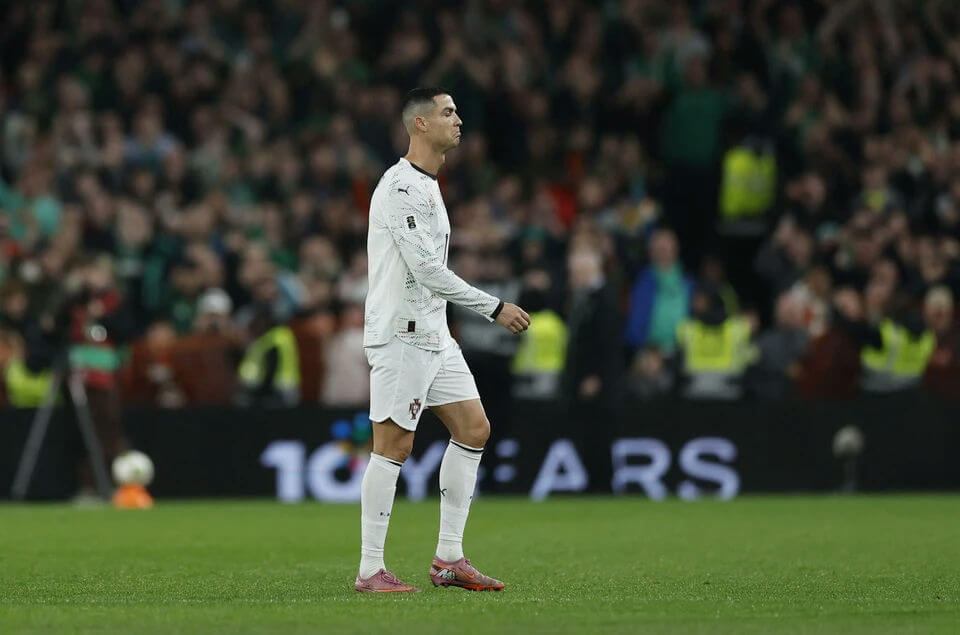
For years, Ronaldo has been Portugal’s emotional leader, the reason fans believed every match was winnable. But this incident begs a hard question: Can he still carry that role? Not because of age, but because of the vulnerability that one impulsive moment laid bare.
Importantly, Portugal’s media isn’t calling for his exit. They know he remains a symbol of perseverance, a source of inspiration. But they also know that a team eyeing World Cup glory cannot be anchored to emotional instability. Portugal still needs Ronaldo—but they need a calmer, wiser version of him.
Legacy on the Line
The red card in Dublin won’t erase Ronaldo’s monumental career. But it serves as a reminder that even legends can misstep. The true measure of greatness isn’t whether you fall—but how you respond after.
For Cristiano Ronaldo, that night in Dublin might become just a blip—or the beginning of a regretful epilogue. Portuguese media has delivered its message. Now, the world waits for Ronaldo’s answer.
Sources: Znews
You must be logged in to post a comment.