
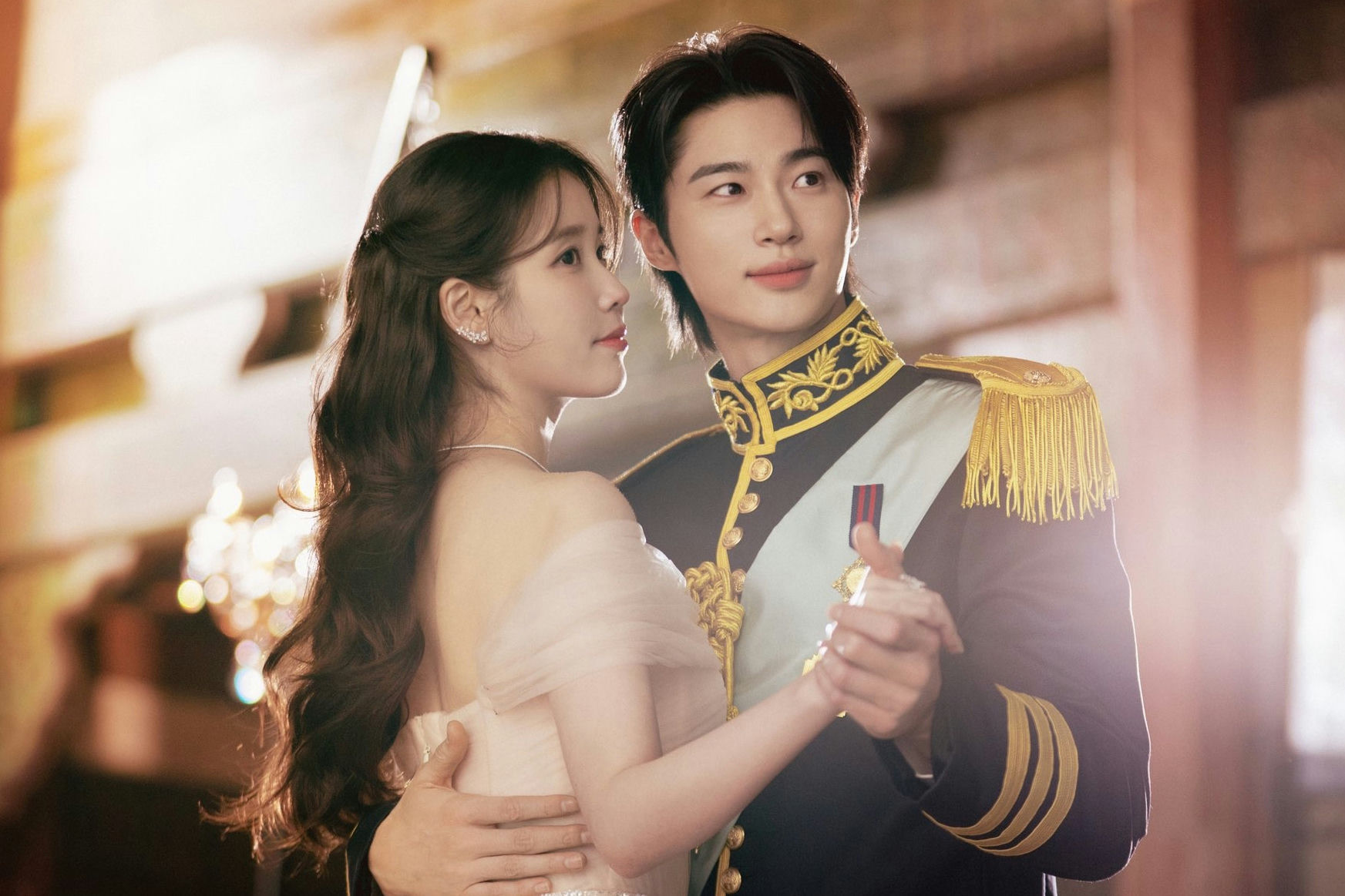
On April 28, Shim Yong-hwan uploaded a video titled “[History Correspondent] Analyzing and Fact-Checking the History in ‘Perfect Crown’” on his YouTube channel.
He began by addressing the rising popularity of alternate history narratives: “‘What if’ scenarios are trending these days, especially in webtoons and web novels. Alternate history is great but with more precise research, it could become more refined and compelling.”

Despite his critique, Shim described the drama as “a low-quality alternate history work from a strict academic perspective,” but also emphasized that it serves as “an interesting cultural experiment.”
One of the drama’s core settings a modern constitutional monarchy drew particular criticism.
Shim explained that historically, such a system would be nearly impossible in Korea due to the legacy of the Joseon dynasty and events following its collapse. He referenced figures like Yi Un and Syngman Rhee to illustrate how the royal family lost influence after Japanese occupation and liberation.
He also criticized portrayals in films like The Last Princess, calling them highly distorted.
Perhaps his most viral comment came when discussing the drama’s central power structure involving a royal second son.
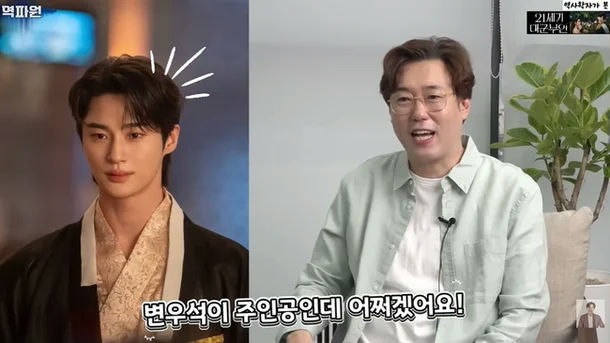
“That’s the biggest error. But what can you do? Byun Woo-seok is the main character, so the story has to go that way,” he remarked, drawing laughter from viewers.
Shim elaborated that within the Joseon system, power was strictly regulated, making such a scenario historically implausible. Even regencies led by figures like queens or royal elders required consensus from officials and were temporary by design.
Beyond political structure, Shim also pointed out inaccuracies in costumes, etiquette, and royal customs. He noted that clothing colors and patterns were strictly regulated by rank, and criticized scenes where royal relatives wore official robes incorrectly or behaved in ways that contradicted Confucian etiquette.

He also expressed discomfort with a scene featuring a penalty system between characters, stating: “Joseon was not a society that used point deductions like that. It was a system based on discourse, philosophy, and consensus.”
Despite his strong criticisms, Shim concluded on a more optimistic note: “From a traditional historical perspective, works like this may seem flawed. But from the viewpoint of cultural creation, they represent an effort to build something uniquely Korean within the global Hallyu wave.”
He added that he hopes to see more works like this ones that combine creativity with deeper research to produce richer and more sophisticated storytelling.
Sources: 네이트 뉴스
You must be logged in to post a comment.