
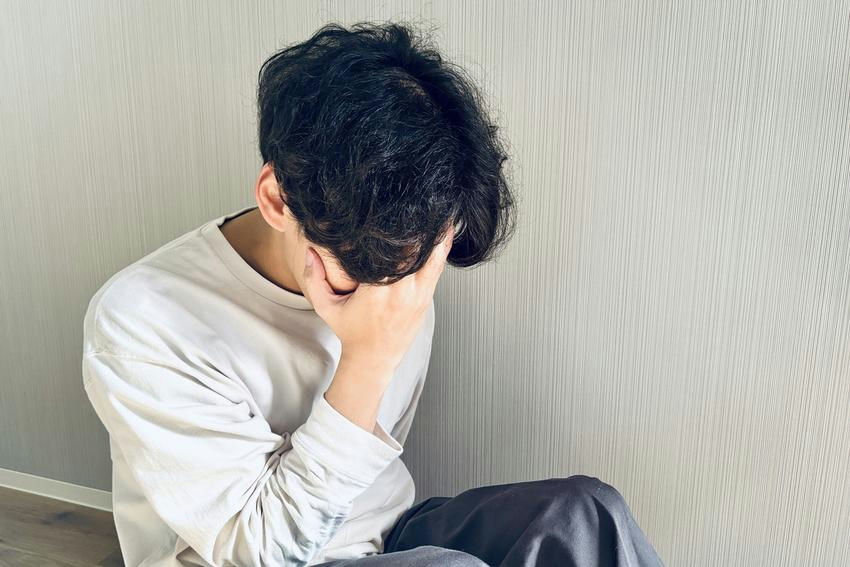
A new report from Spa magazine (Nov 25–Dec 2 issue) suggests that a rising sense of “male fragility” is spreading across Japan, as many men feel like shadows of their former selves. Once tied to economic responsibility and household leadership, traditional masculinity in Japan is being shaken by rapid social change and shifting gender dynamics.
According to Spa, this sense of vulnerability affects not only unemployed or socially isolated men, but also those with stable jobs, comfortable incomes, and seemingly secure personal lives whether married or single.
Over Half of Japanese Men Feel “Weakened”
In a survey of 2,000 men aged 20–60 with annual earnings between 4–7 million yen comfortable but not high-income 51.9% said they occasionally or often feel “weak” in some way.
One 39-year-old respondent, earning 5 million yen annually, described feeling little pride in his service-industry job: “People might think I’m doing fine. I have a family, a child, stability. But working in an environment with almost no male colleagues gives me no sense of pride or strength.”
He is financially secure, fulfilled at home, and in his prime years yet still overwhelmed by intangible feelings of inadequacy.
Sociologists: “It’s Not Lack It’s Loss”
Sociologist Kimio Ito argues that the trend is less about lacking resources and more about experiencing a sense of loss a feeling that something essential has been taken away.
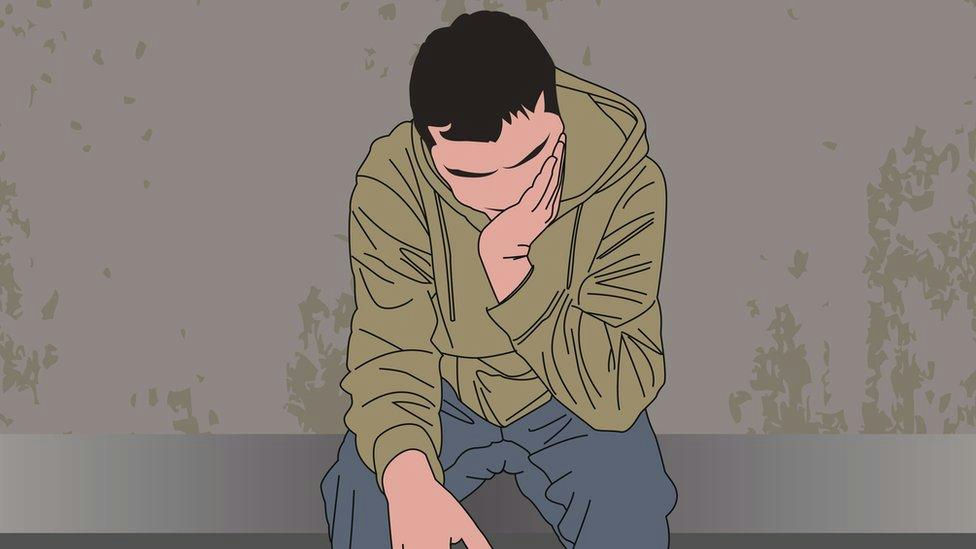
Automation, rapid technological change, and the rise of financially independent women have all contributed.
“Even men who intellectually welcome women’s empowerment still harbor a deep emotional longing for the old masculine order,” Ito said.
Modern Dating: “Being Average Is No Longer Enough”
A 28-year-old professional interviewed by Spa is actively seeking a partner. He uses major dating apps, has a strong career and curated profile, yet his match rate remains low.
Sociologist Kazuhisa Arakawa explains: “He’s simply not special enough. He is average and there’s nothing wrong with being average. But his ‘specs’ don’t stand out.”
On Japanese dating apps, “specs” typically refer to quantifiable traits such as: income, height, overall attractiveness and social status.
In an increasingly gamified dating landscape, being average feels like invisibility.
Psychologists: Modern Life Is Outpacing Human Evolution
According to Professor Shugo Hotta, humans have not evolved fast enough to withstand the speed of modern civilization.
“Evolution is slow, while society changes at breakneck speed. Those who can’t adapt are left behind.”
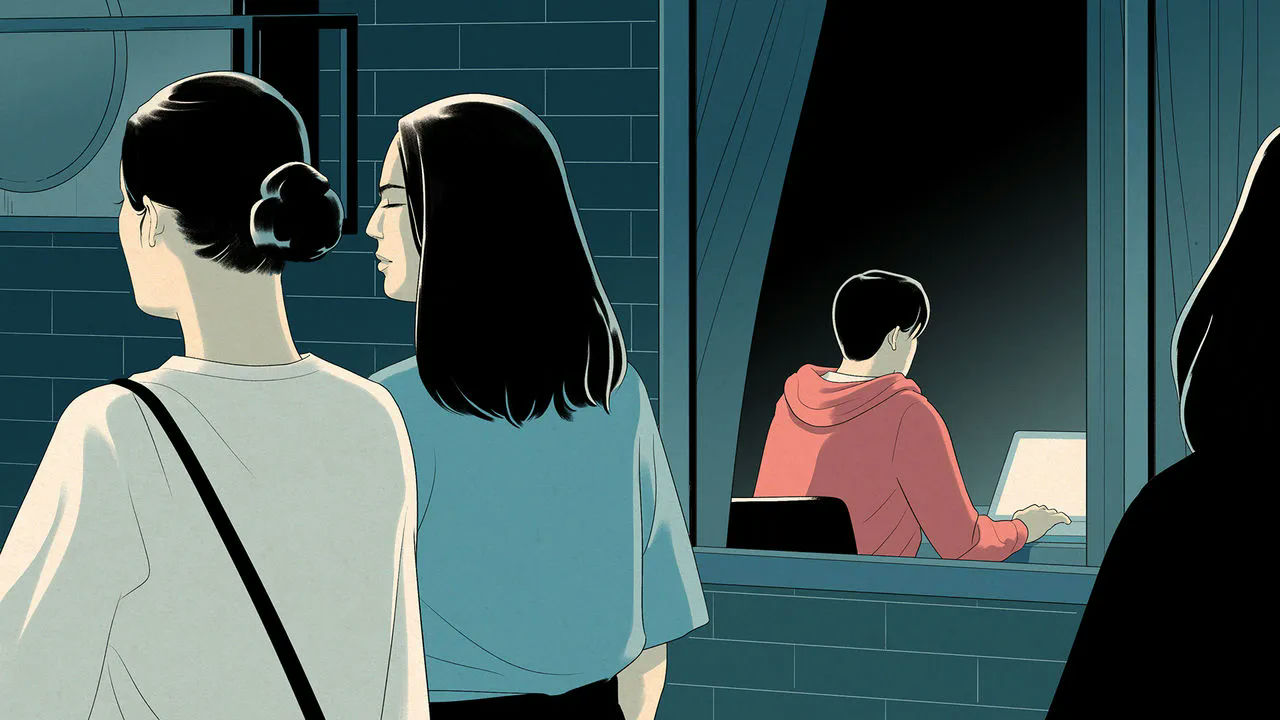
In past rural societies, happiness was simple eating well and being healthy was enough. Today, constant comparison intensifies dissatisfaction: income, appearance, intelligence and career success.
This “negative bias,” Hotta says, makes men especially vulnerable to feelings of inferiority.
Middle-Aged Men Are the Most Affected
Japan’s middle-aged men are caught between: The 1990s hiring freeze generation, and the modern AI–IT boom, which demands adaptability not everyone possesses.
Many feel alienated by rapidly evolving work cultures and choose to step back rather than chase values they no longer recognize.
Social psychologist Jonathan Haidt notes that younger generations are now burdened by unprecedented digital-age pressures: likes, comments, algorithms, and perpetual comparison.
Self-worth becomes tied to fluctuating online metrics rather than real-world achievements, creating a toxic feedback loop that further erodes male confidence.
Sources: Japan Today
You must be logged in to post a comment.