
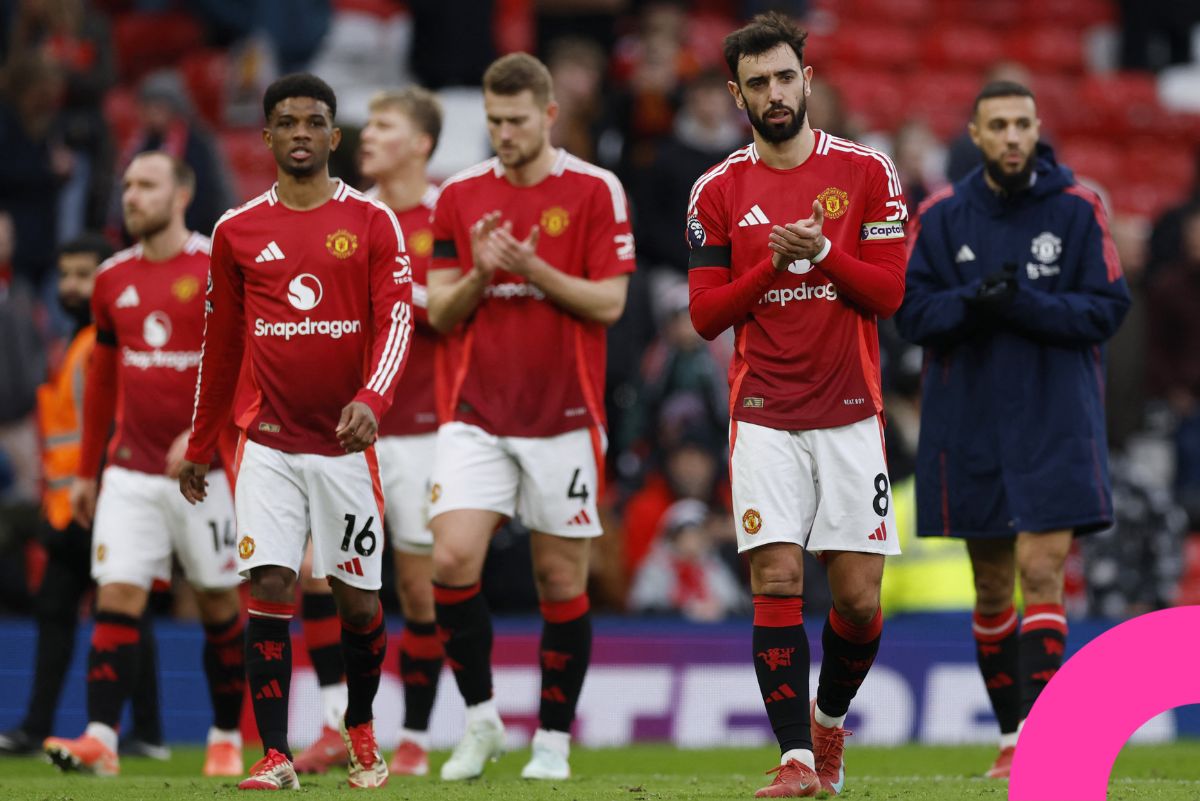
With less than a month remaining before the 2025/26 Premier League season begins, Manchester United finds itself entangled in disarray. Under newly appointed manager Ruben Amorim, the club’s summer has been marred by stagnant transfers, financial constraints, and internal discord raising concerns about readiness and strategic direction at Old Trafford.
One Signing, Many Questions
Thus far, the club has made only one high-profile acquisition: Matheus Cunha from Wolves, secured for £62.5 million. Though significant, the deal consumes a large portion of United’s restricted budget. The club has yet to sign a true centre-forward an urgent need as identified by Amorim.
Negotiations for Brentford’s Bryan Mbeumo have reached an impasse, with the price reportedly rising from £65 million to nearly £70 million. Under the stewardship of Sir Jim Ratcliffe, United is hesitant to overpay. Yet, every delay risks undermining tactical preparation and squad integration.
Training Ground Turmoil
Perhaps more concerning is the situation at the club’s Carrington training facility. Five players Marcus Rashford, Alejandro Garnacho, Antony, Jadon Sancho, and Tyrell Malacia have been relegated to a separate training schedule, arriving after the rest of the team departs. This overt marginalization suggests these players are deemed surplus to requirements.
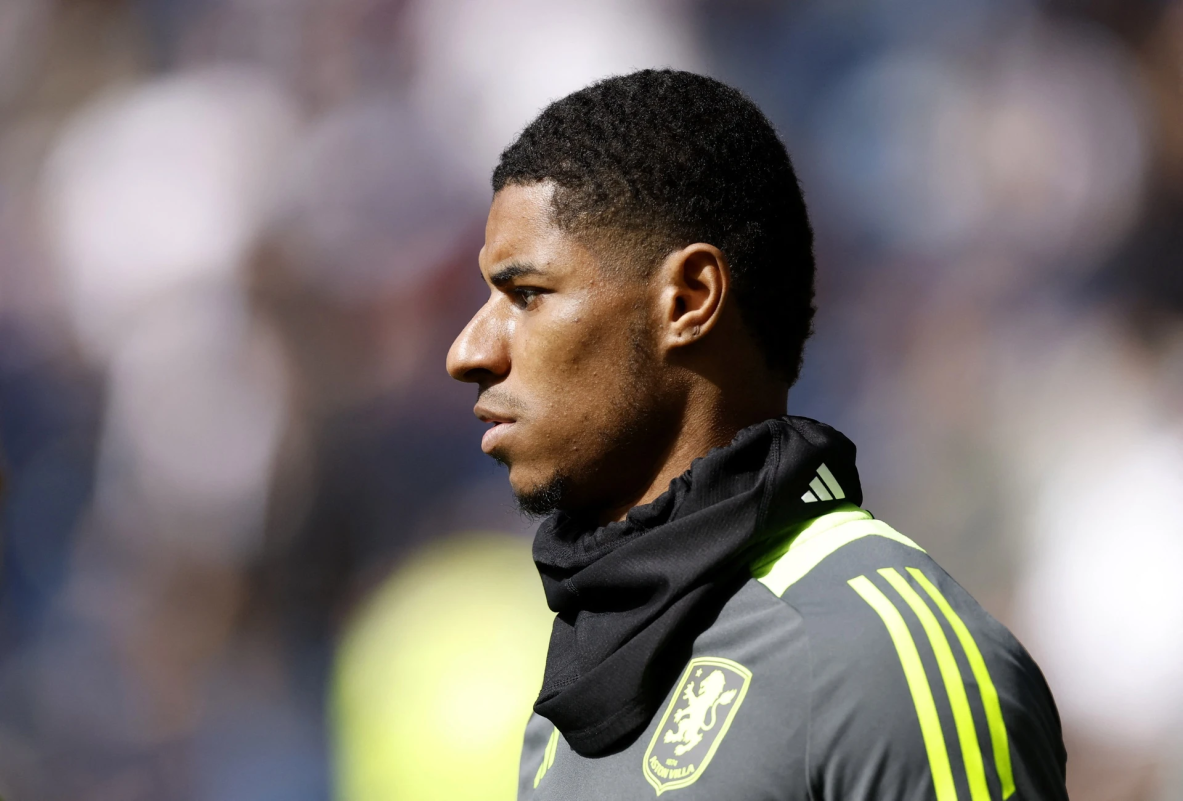
Such actions, however, may backfire. Publicly isolating assets damages their market value and complicates transfer negotiations, especially as United seeks sales to fund incoming signings. The strategy, meant to streamline the squad, instead portrays a club unsure of how to manage its roster effectively.
Legacy of Instability
Since the retirement of Sir Alex Ferguson, Manchester United has cycled through numerous managers and marquee signings—many of which failed to deliver. Amorim now steps into a familiar storm. Within six months, the club parted ways with Director of Football Dan Ashworth and manager Erik ten Hag, while laying off hundreds of backroom staff.
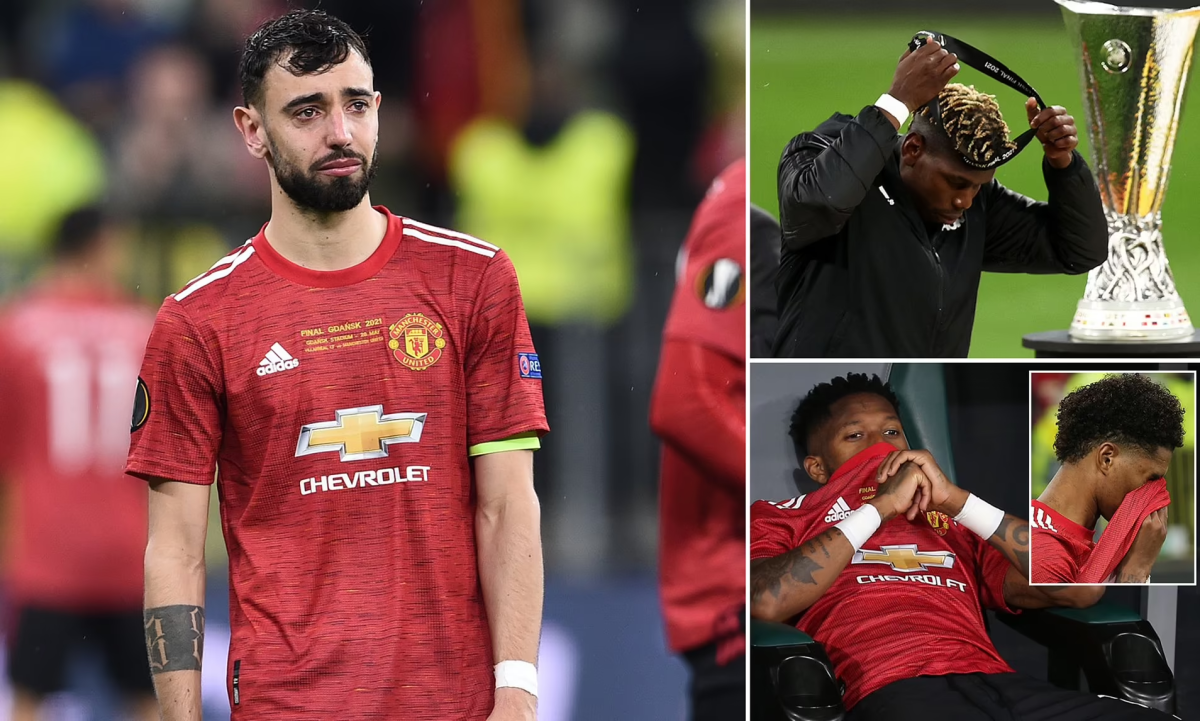
The 2024/25 campaign was historically poor. United finished 15th in the league—its worst-ever Premier League result—and lost the Europa League final to Tottenham. Midfielder Christian Eriksen, now departed, admitted, “We were lucky not to be relegated.” Even star player Bruno Fernandes considered leaving, only to be convinced otherwise by Amorim amid a lucrative offer from Al-Hilal.
It remains questionable whether rejecting a £100 million bid for a player nearing 31 at a club with over £1 billion in debt was a footballing decision or a financial misjudgment.
A disciple of structured football, Amorim prefers a 3-4-3 system that requires tactical intelligence and discipline. After missing out on Liam Delap to Chelsea, and with André Onana sidelined by a hamstring injury, United’s tactical rebuilding appears increasingly compromised. Their squad travels to Stockholm for a friendly against Leeds with only one new signing far from ideal for a club in transition.
A Club Adrift
The lack of clarity is alarming. Is this a rebuilding phase or a managerial experiment? Neither strategy seems fully articulated. Amorim cannot deliver miracles without support. He requires players, time, and most importantly, leadership from above.
Former midfielder Eriksen said, “Next season must be better, and I believe it will be.” Yet optimism remains fragile unless Ratcliffe and new sporting director Jason Wilcox enact decisive change.
Old Trafford yearns for a bold reset. Without it, the 2025/26 campaign risks becoming yet another chapter in Manchester United’s long decline.
You must be logged in to post a comment.