
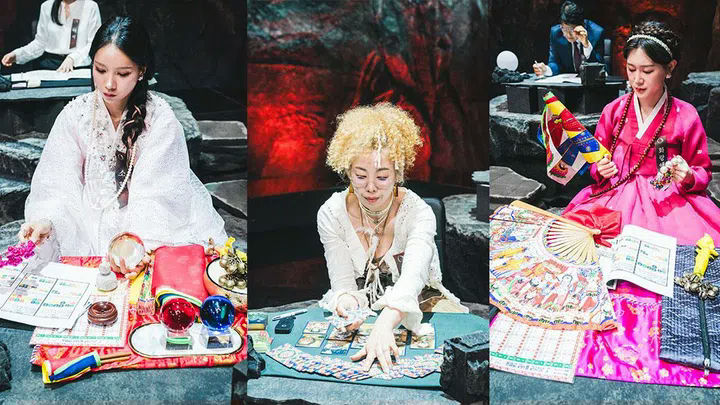
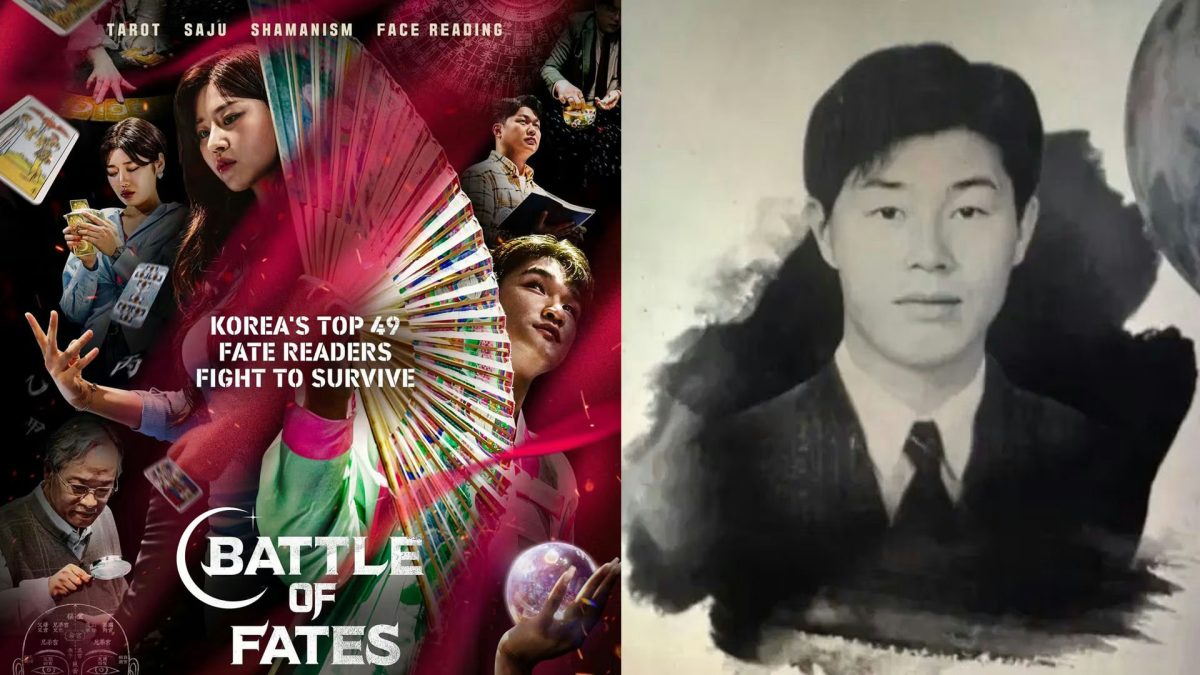
Living up to its reputation as a true “content powerhouse,” South Korea once again proves that there is nothing they wouldn’t try, launching a survival show exclusively for spiritual practitioners: Battle of Fates. Although only 7 out of 10 episodes have aired so far, the program’s popularity is undeniable.
Why Do “Spiritual Masters” Join a Reality Show?
Battle of Fates gathers 49 experts from four spiritual disciplines:
- Shamans – Representatives of pure intuition who claim to connect with supernatural forces.
- Saju (Four Pillars) – Logical interpreters of destiny who use birth data to map life paths based on Yin-Yang and the Five Elements theory.
- Physiognomists – Experts who interpret life events through facial and bodily features.
- Tarot Readers – Practitioners who decode symbolic messages and present energies through tarot cards.

Participants do not simply perform readings; they must apply their tools and abilities to complete real survival-style missions such as:
- Tracking a Person: Finding a specific individual in a crowd using only a birth chart or tarot reading.
- Financial Prediction: Forecasting business fortunes or cash-flow trends.
- Decoding the Past: Identifying major life events of mystery guests.
Contestants compete through various challenges to earn the title of Master of Fate and win the grand prize of 100 million won.
Not the First of Its Kind — So Why Is Battle of Fates So Popular?
Battle of Fates is not the first reality show to incorporate spirituality. Previously, Possessed Love combined spiritual elements with a dating format, allowing four men and four women to find partners through divine guidance, tarot readings, fortune-telling, and astrology.
Even survival-style spiritual competitions have been produced in countries such as Thailand and Russia, though they did not achieve widespread popularity. In short, the idea of bringing fortune-tellers to television is not entirely new.
Yet once Battle of Fates premiered, it quickly became a phenomenon thanks to several distinctive factors.

1. Not Just for Spiritual Believers
For viewers who practice spirituality themselves, the show is especially engaging. Many imagine themselves as contestants, comparing their interpretations with the participants’ answers. When their predictions match, they feel validated and more confident in their own abilities. When they differ, it motivates them to try again in future challenges.
However, it would be a mistake to think the show is only for spiritual believers. Many viewers are astonished by the contestants’ seemingly uncanny readings.
For example, contestants have claimed to deduce a person’s cause of death from a photograph and dates of birth and death, or identify a homeless individual by examining multiple footprints. Whether scripted or not, these “strange but true” moments are highly captivating.
The show also gives viewers chills when shamans appear to communicate with the deceased and recount events with striking accuracy.
2. Viewers Can Choose Their Own “Bias”
With 49 contestants, viewers can easily find a favorite.
Some are drawn to Jiseon Doryeong, the youngest shaman with 13 years of experience who began practicing at age eight and is known for the ritual known as “blade riding” (takdu).
Others admire Kim Baek Mun, a veteran physiognomist with over 30 years of research in face and foot reading.
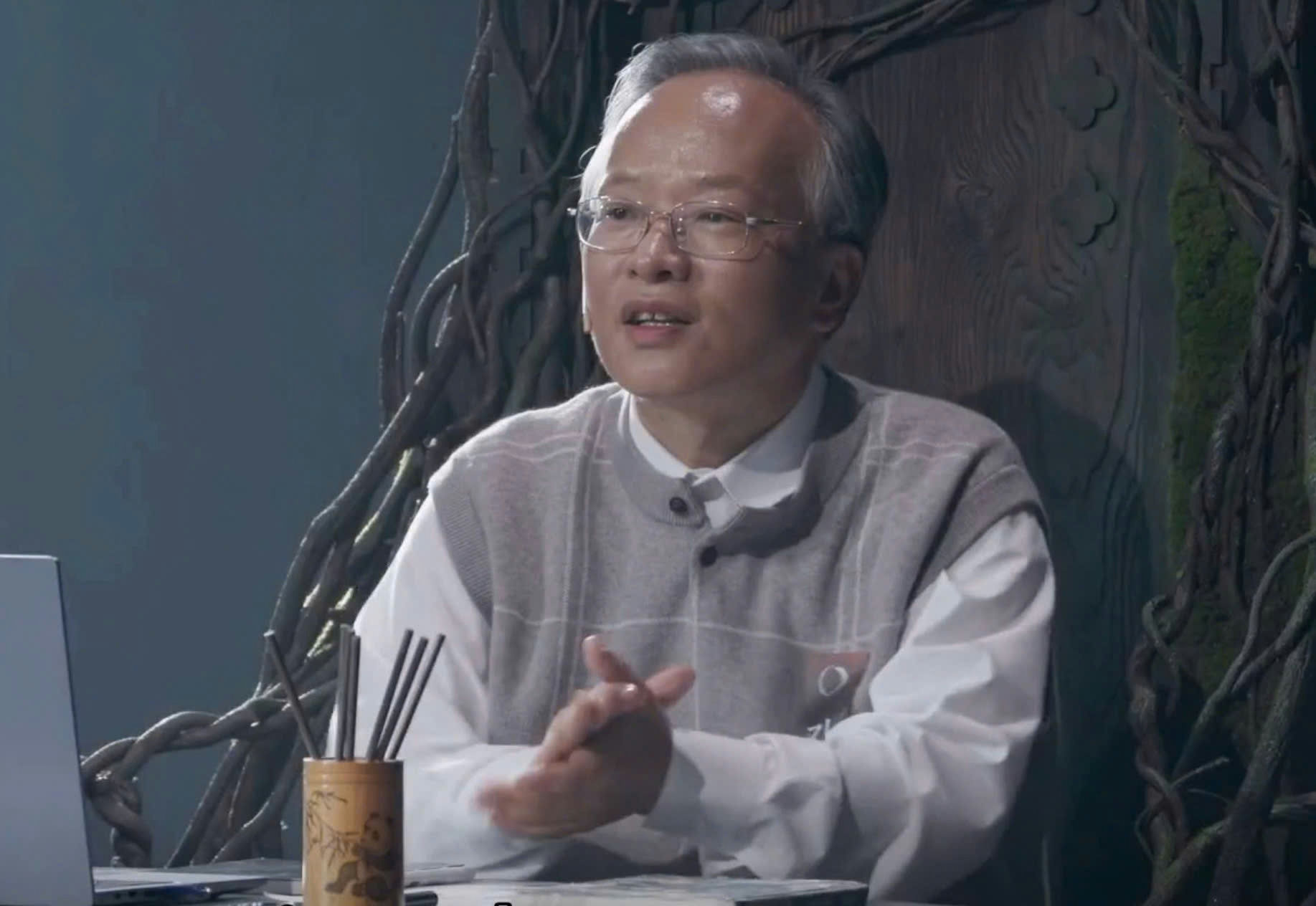
Business Kim Dosa is another intriguing figure — a corporate manager by day and a Saju expert with eight years of experience by night.
Meanwhile, Choi Hannah, a popular tarot reader with three years of experience, previously appeared on the spiritual dating show Possessed Love.
Viewers can choose favorites based not only on ability but also on personality — calm, sharp, charismatic, or confidently bold.
Watching the show often feels like following an idol survival program: tense anticipation, enthusiastic support, and inevitable disappointment when one’s favorite contestant is eliminated.
It also taps into society’s familiar habit of comparison — from Lunar New Year movie releases to reality shows and vocal or dance battles. Even spirituality, once considered deeply personal, is now subject to competition. Viewers cannot help but wonder: among the estimated 300,000 practitioners, who is truly Korea’s best shaman?

3. Entertaining — and Sometimes Controversial
Fans of Korean dramas such as Moon Embracing the Sun or supernatural films will not be surprised by Korea’s fascination with spiritual themes — but Battle of Fates approaches the subject with a distinctive entertainment twist.
The show breaks stereotypes of spiritual practitioners as solemn and mysterious figures, generating countless humorous memes online.
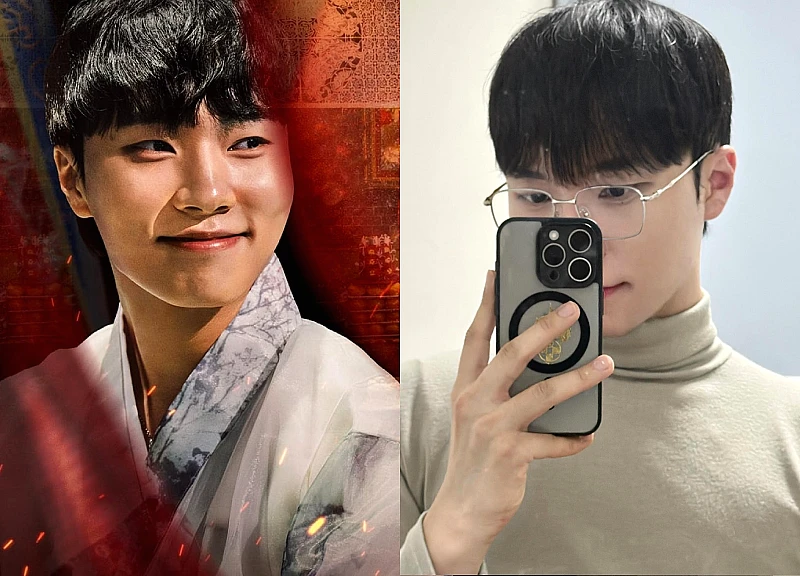
One contestant, Maehwa Doryung, was even compared to professional League of Legends player Chovy, a renowned mid-laner known for exceptional mechanics. In a humorous moment, the contestant personally replied in the comments and embraced the comparison.
On the other hand, the show has sparked controversy. Critics question whether certain scenes are scripted and whether information about deceased individuals was used without proper family consent.
In Episode 2, contestants were given photos along with birth and death times of three individuals — including a firefighter — and asked to determine the cause of death. The segment angered some viewers, who felt it disrespected the deceased and questioned whether the families had fully agreed.
4. Broken Taboos and Unexpected Truths
Battle of Fates also reveals hidden rules within the spiritual community.
In one challenge, top-ranking contestants advanced to a one-on-one round where they read each other’s fortunes. Traditionally, however, shamans rarely perform public readings for fellow practitioners — making the challenge a notable taboo-breaker.
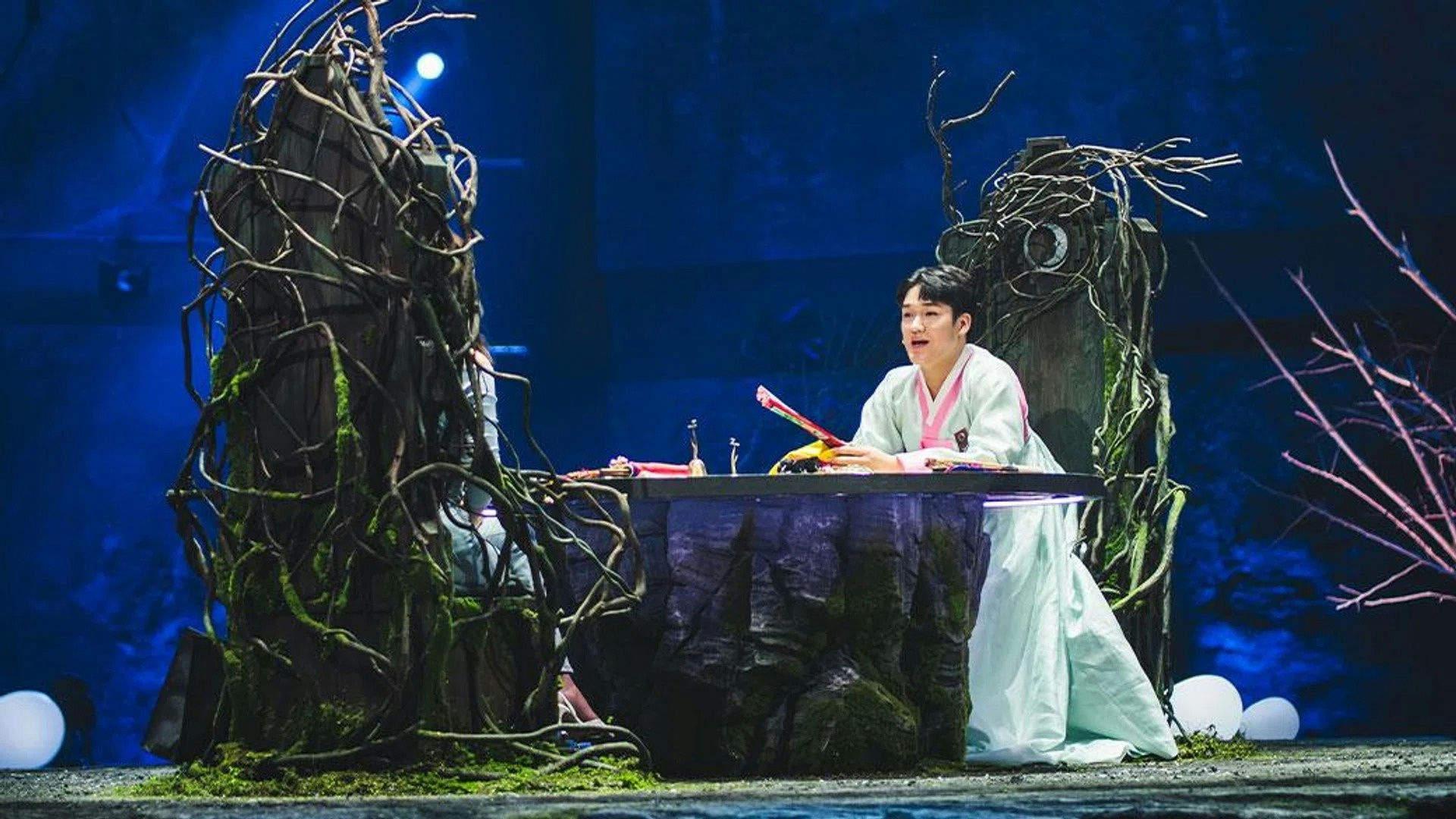
Viewers also learn that even within spirituality, practitioners have specialties. Not everyone can interpret everything equally well.
Some excel at health-related predictions, others at finance and careers, while some are strongest in relationships or communicating with the deceased.
There are also humorous revelations that make spirituality feel surprisingly ordinary. One contestant joked:
“I think my ancestors’ spirits are off today!”
Like office workers or Wi-Fi signals, spiritual connections are not always available on demand.
5. Those Who See Everything — But Not Themselves
Traditionally, fortune-tellers and tarot readers are seen as answer-givers — the ones who know while others ask.
But the show reveals another side: the personal struggles behind people who seem able to “see everything,” yet cannot fully understand their own destinies or those of their loved ones.
One example is Gen Z shaman Noh Seulbi, who reads others’ fortunes with confidence but struggles when confronted with her daughter’s future. Faced with this deeply personal matter, she sets aside her professional pride and becomes simply a worried mother.
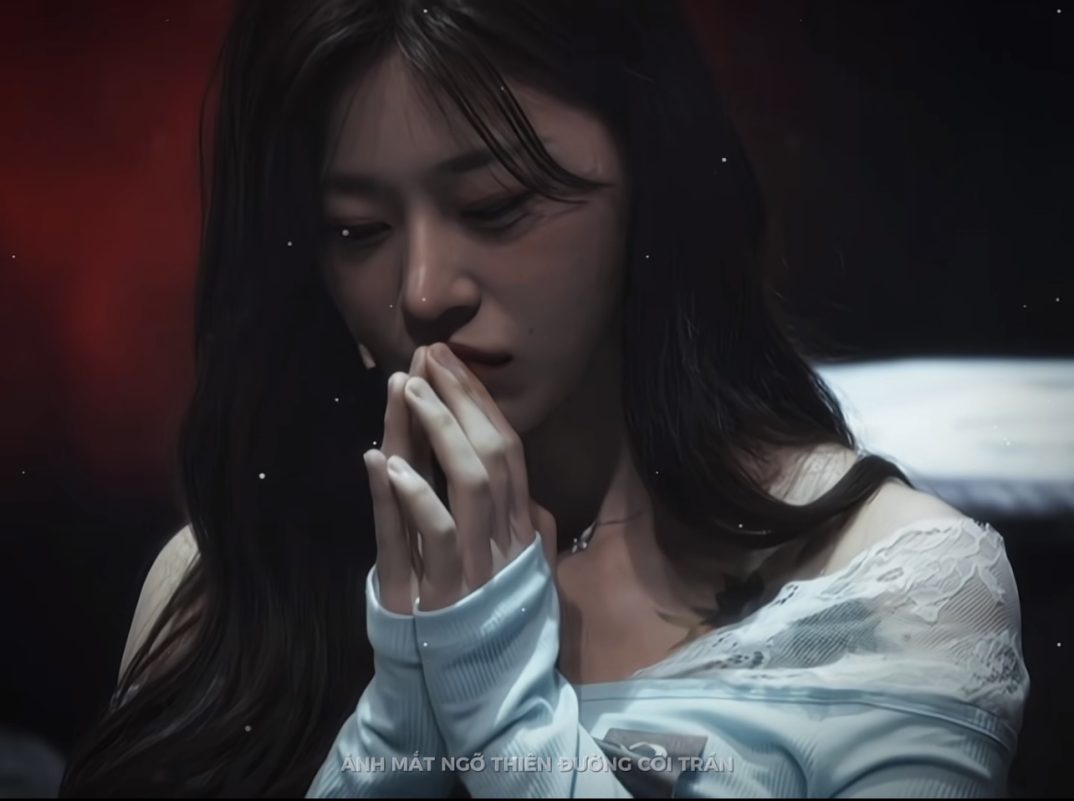
Her story reveals a painful past marked by domestic violence and psychological manipulation from her ex-husband, who was also a spiritual practitioner. Scenes featuring Seulbi and her daughter moved many viewers to tears.
In the end, what remains with audiences is not only shock or fascination, but also empathy and warmth. No matter how mystical their abilities may seem, these practitioners are still human — with fears, love, unhealed wounds, and uncertainty when trying to interpret the story of their own lives.
You must be logged in to post a comment.