
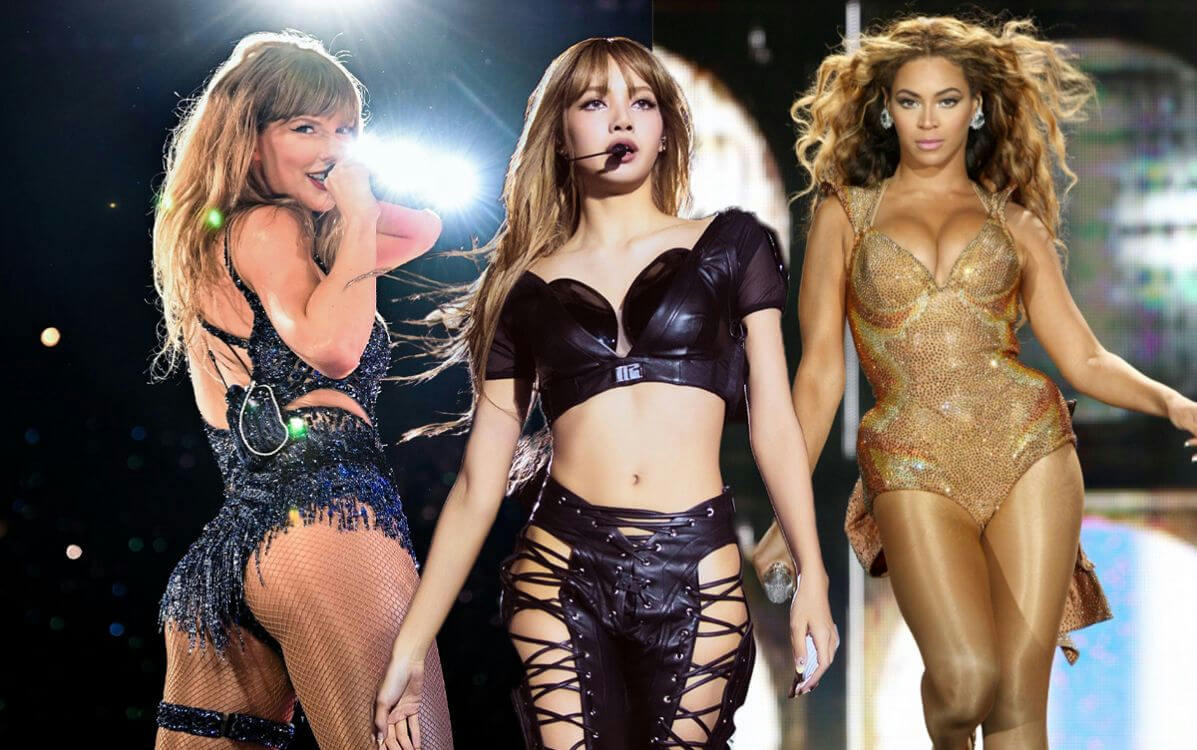
In the fast-paced world of pop music where a single stage outfit can set global trends the bodysuit has become a defining symbol of modern performance fashion.
From Madonna’s iconic Jean Paul Gaultier corset in the 1990s to Beyoncé, Taylor Swift, Dua Lipa, and Ariana Grande, the tight-fitting costume has evolved from a stage staple to a symbol of power, confidence, and female empowerment.
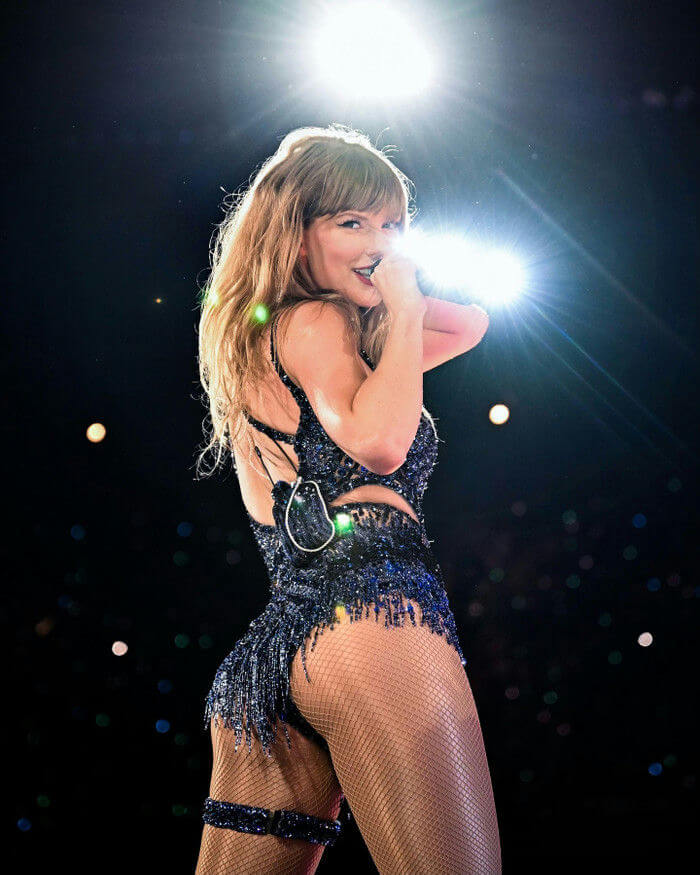
The appeal is simple: it’s sleek, flexible, and flattering — allowing artists to perform dynamic choreography while accentuating strength and sensuality. What started as a provocative trend has now become an industry norm.
Between 2023 and 2025, bodysuits have reached their peak on global stages. Beyoncé dazzled in custom Mugler and Loewe designs, Taylor Swift conquered her world tour in crystal-encrusted fits, and Dua Lipa redefined stage chic with bold cut-outs.

These outfits are often celebrated as the perfect balance between sensuality and sophistication glamorous but never vulgar. Yet, when BLACKPINK’s Lisa joined the trend, the reaction was far less forgiving.
During her Deadline Tour concert in Toronto, Lisa wore a vibrant orange bodysuit with a high-cut silhouette. Under the bright stage lights, the design revealed much of her lower body — leading many netizens to call the outfit “too revealing” and “more like swimwear than stagewear.”

Earlier, her red corset outfit in the U.S. and the daring “no pants” look at Met Gala 2025 had already drawn divided opinions. While Western audiences saw confidence and bold artistry, many Asian fans criticized the looks as overly provocative.
Fashion analysts argue that Lisa’s situation reflects a cultural divide more than a fashion misstep. “What’s empowering in the West can feel uncomfortable in the East,” one stylist noted. “It’s not about what she wears, but how the audience perceives female self-expression.”

Experts emphasize that sensuality in performance fashion isn’t inherently problematic it’s the context and cultural backdrop that shapes the reaction. Western pop icons have long been applauded for pushing boundaries, while Asian artists often face harsher scrutiny for similar choices.
As a global ambassador for multiple luxury brands and one of the most influential fashion icons of her generation, Lisa has built a powerful image that merges music, luxury, and individuality. Yet, some critics argue that her increasingly revealing stagewear shifts focus away from artistry and toward shock value especially given her large fanbase of younger admirers.

Lisa hasn’t directly addressed the criticism. Still, her continued embrace of daring designs seems to speak for itself a silent declaration of artistic freedom and self-expression.
But as her bold fashion statements continue to spark headlines, they also raise larger questions: Where is the line between artistic expression and overexposure? And does a female artist still need to prove her power through how much she dares to reveal?
Sources: Saostar
You must be logged in to post a comment.