
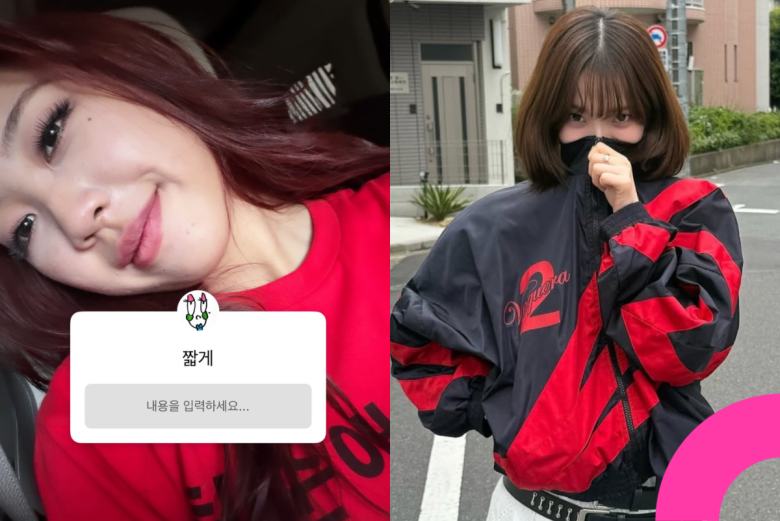
Rapper and television personality Lee Youngji has found herself at the center of an unexpected political controversy after sharing photos featuring her newly dyed red hair, prompting an apology, comparisons to aespa’s Karina, and criticism over what many see as excessive political speculation.
The controversy began when Youngji uploaded photos to social media showing off her vibrant red hairstyle while wearing a red T-shirt. She also used a song titled “REDRED” as background music in one of her posts. Because the uploads coincided with South Korea’s early voting period ahead of the June 3 elections, some online users questioned whether the images carried a political message.
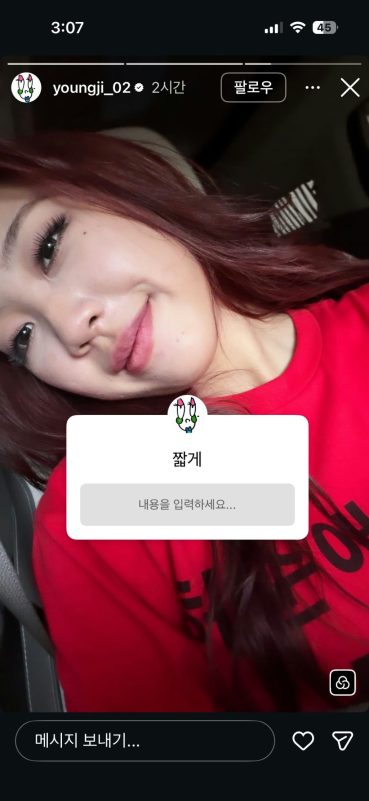
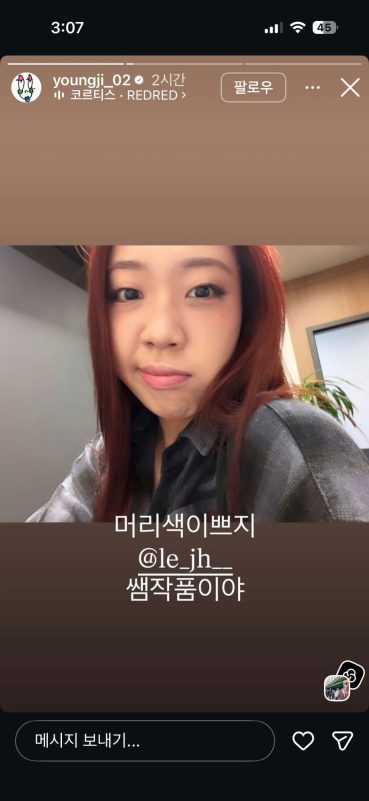
As discussions spread across online communities, some netizens speculated that the repeated use of the color red could be interpreted as support for a particular political party. The debate quickly gained traction, turning what began as a casual social media update into a nationwide talking point.
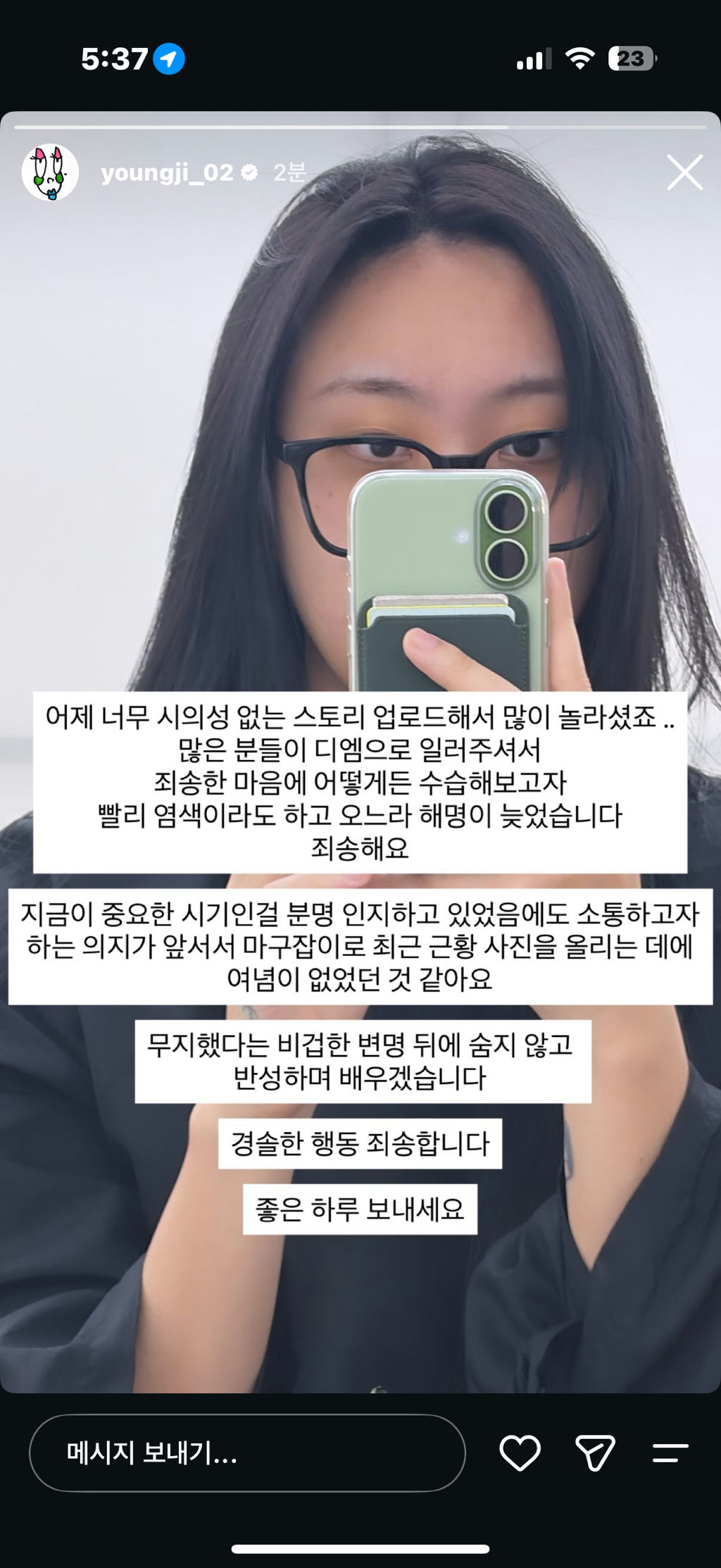
Youngji later returned to social media with her hair dyed back to black and issued a public apology. She acknowledged that she had acted carelessly during a politically sensitive period and said she would reflect on the situation rather than hide behind excuses.
“I won’t hide behind the excuse of being ignorant,” she wrote. “I will learn from this and reflect on my actions. I’m sorry for being thoughtless.”
The incident soon reminded many netizens of aespa member Karina’s controversy during the 2025 election season. At the time, Karina faced backlash after posting photos that included a red outfit, a red rose emoji, and the number “2,” which some online users interpreted as a political signal. The idol later denied any political intention and apologized for the misunderstanding.
With Youngji facing similar criticism over the color red, online discussions quickly shifted toward whether the two situations were comparable. While some argued that Youngji reacted more quickly by apologizing and changing her hair color almost immediately, many others felt both celebrities had become targets of unreasonable political assumptions.
Numerous netizens expressed frustration that colors, emojis, numbers, and even hairstyles have become sources of controversy during election periods.
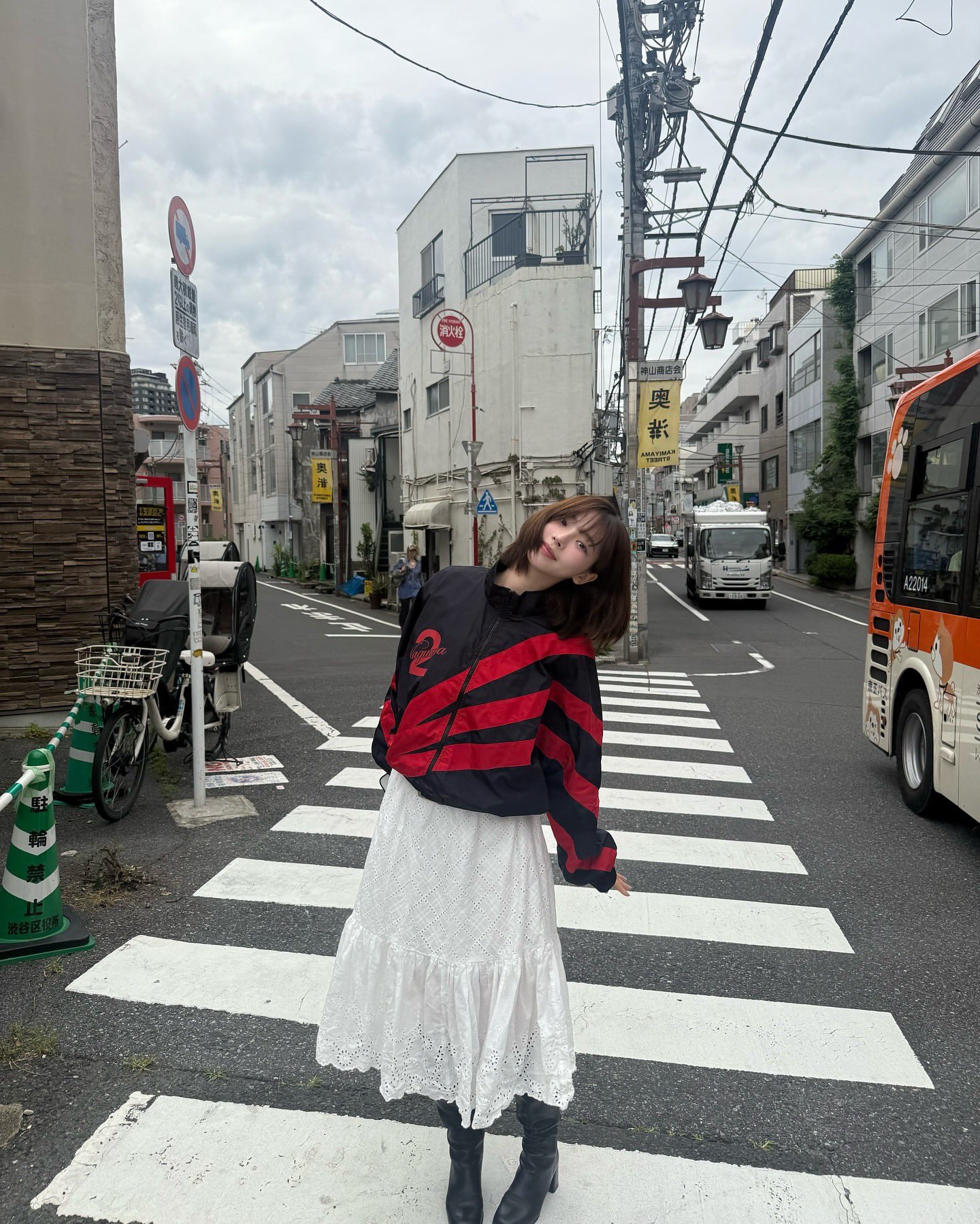
“What exactly do people gain from attacking celebrities every time they wear red?” one commenter wrote. “Just leave them alone.”
Others questioned why ordinary fashion choices were being scrutinized so heavily, arguing that celebrities should not have to worry about their clothing, hair color, or social media photos being interpreted as political endorsements.
The debate also drew a response from singer JK Kim Dong Wook. On May 31, he shared a news article about Youngji’s apology on social media and criticized the reaction surrounding the controversy.

“This is getting ridiculous,” he wrote. “Are people really making a fuss over hair color now? The level of this is unbelievable.”
His comments appeared to reflect the opinion held by many netizens who believe the controversy had gone too far. JK Kim Dong Wook has previously been vocal about political issues, including publicly expressing support for former President Yoon Suk Yeol during the impeachment crisis and commenting on other politically charged social discussions.
Meanwhile, reactions across Korean online communities remained divided. Some argued that public figures should be more cautious during election periods to avoid misunderstandings. Others countered that neither Youngji nor Karina had publicly endorsed any political party or candidate, making the backlash disproportionate.
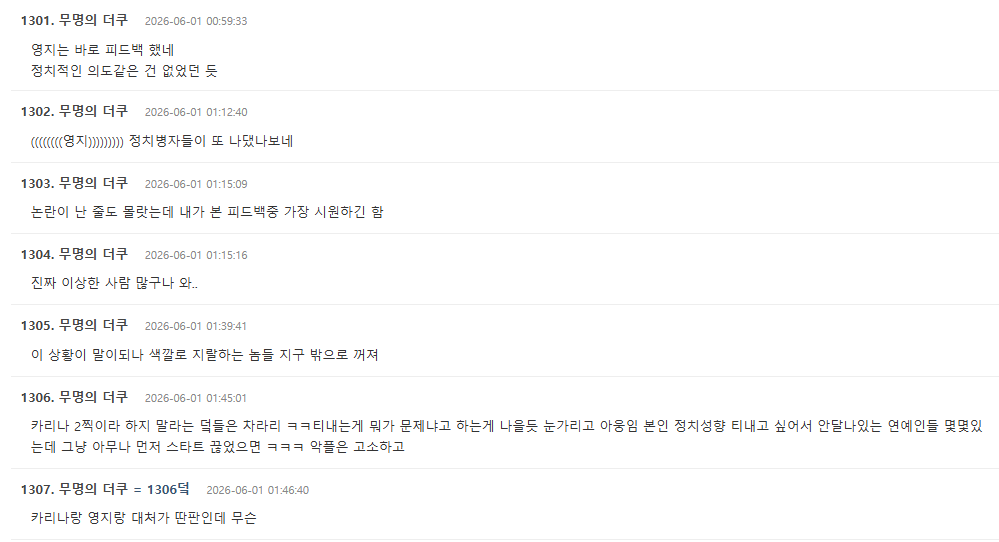
Many commenters ultimately expressed sympathy for both stars, pointing out that they had become entangled in controversies based largely on assumptions. Several compared the situation to previous online disputes where ordinary gestures, symbols, or fashion choices were assigned unintended meanings.
As the debate continues, the controversy has reignited broader discussions about how political polarization influences public reactions online. For many observers, the issue is no longer about Lee Youngji’s red hair or Karina’s social media posts, but about how quickly everyday details can become politicized in an increasingly divided online environment.
Sources: Theqoo, Nate
You must be logged in to post a comment.