
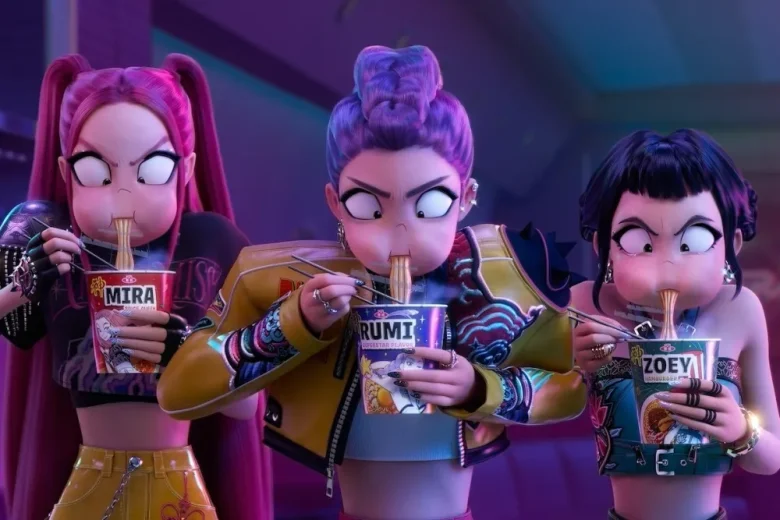
The global hit animation KPop Demon Hunters has captivated audiences with its catchy soundtrack, stunning visuals, and authentic portrayal of Korean culture. From naengmyeon to seolleongtang, gimbap, ramen, eomuk, and hotteok, the film showcases a variety of beloved Korean dishes. But one question has puzzled many viewers—where is the kimchi?
Despite being Korea’s most internationally recognized food, kimchi is noticeably absent from the film. This was no accident. In a recent interview with U.S. media outlet Salon.com, director Maggie Kang revealed that the omission was an intentional creative choice.
“I told the production team never to put kimchi on the table,” Maggie stated. “We banned it from being mentioned or shown.”
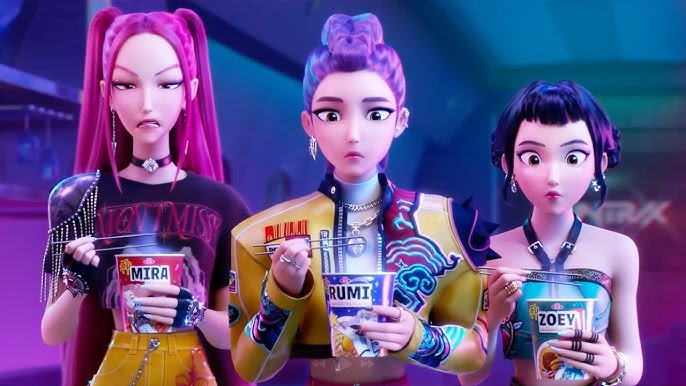
Maggie explained that she wanted to break away from the stereotype that kimchi is the only dish that represents Korean cuisine. “It’s too common to see kimchi treated as the sole symbol of Korean food. I wanted to introduce dishes that global audiences might be less familiar with,” she said.
Indeed, KPop Demon Hunters succeeds in doing just that. The film features a comforting lineup of traditional Korean dishes, adding depth and relatability to its characters.
Naengmyeon, for instance, carries personal meaning for both Maggie and co-director Chris Appelhans . “Naengmyeon is originally a North Korean dish. My father is from the North, and so is Chris’s father-in-law. It’s a symbolic dish for both of us,” Maggie explained.
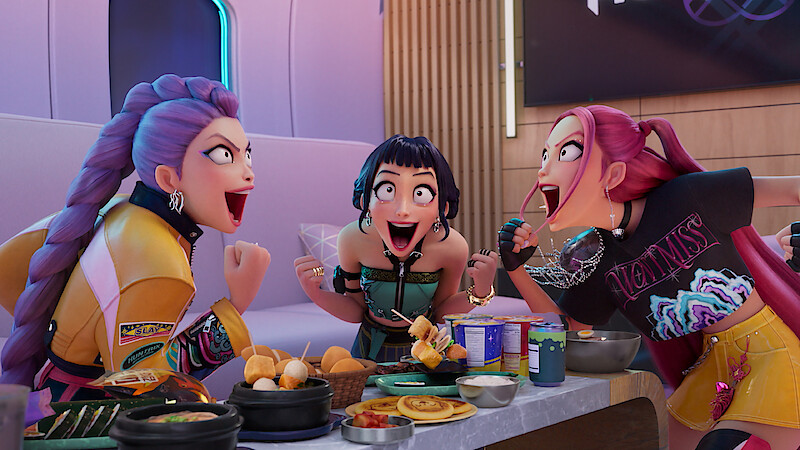
She also highlighted the importance of broth-based dishes in Korean culture. A key scene shows character Rumi eating seolleongtang—a moment Maggie says is more than just a meal.
“For Koreans, comfort food means soups, stews, and broths. In the scene, Rumi eats seolleongtang to load up on carbs before hitting a high note at AnyZOne,” she said, blending humor with cultural nuance.
The film’s attention to detail has drawn praise from Korean viewers. The team included touches like the distinct sesame oil aroma in gimbap, the garnishes on seolleongtang, and even green melamine bowls typically seen in local Korean eateries.
“I was so happy when Korean audiences commented on the authenticity of these little things,” Maggie shared.
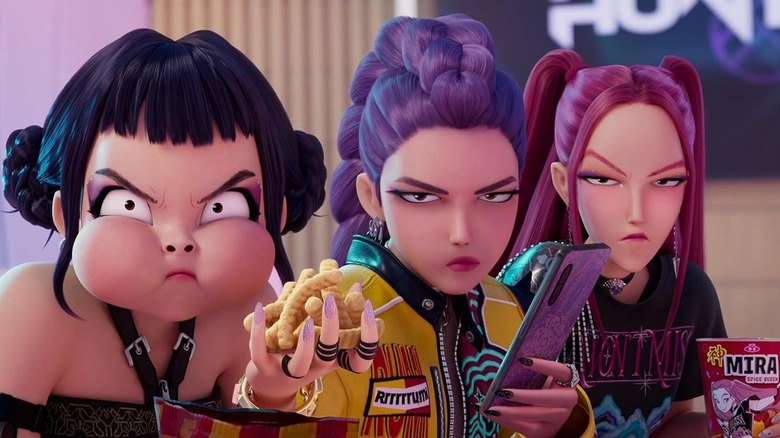
Netizens had plenty to say:
- So that’s why!
- More detailed than I expected.
- They should’ve included kimchi.
- Seolleongtang is true soul food.
- Where’s the soju?
- This is an animation for grown-ups too.
- The songs are stuck in my head.
- Respect for the gimbap sesame oil detail!
Meanwhile, KPop Demon Hunters continues to dominate globally. Its original soundtrack Golden recently ranked No. 3 on the Billboard 200, the main U.S. album chart, selling 89,000 copies in one week—its highest yet.
Sources: Daum
You must be logged in to post a comment.