

When Japan announced it would remake the hit Korean drama Marry My Husband under the new title Watashi No Otto To Kekkon Shite (“Go Marry My Husband”), audiences were surprised to see Koshiba Fuka – an actress not widely known in Japan cast as the lead. Yet now that the show has aired, the 1997-born actress is causing a stir, with many even saying she outshines Park Min-young in both charisma and acting.
So who exactly is Koshiba Fuka, and how has she won over viewers in such a high-pressure remake?
Not a Superstar, But Brimming With Talent
Koshiba Fuka may not be a household name, but her talent is undeniable. Born in Tokyo in 1997, she first gained recognition after winning the Ion and Oscar Promotion Girl Audition in 2011—a competition that has launched many notable careers. Fuka debuted in acting in 2012 and made headlines just two years later as the lead in the live-action version of Kiki’s Delivery Service, a beloved anime originally by Studio Ghibli.

At just 17 years old, she impressed critics with her pure and natural portrayal, leading some to comment that she had the charisma to carry a major film. Rather than chasing fame through idol dramas, she opted for steady, thoughtful career growth, taking on diverse roles in Suizokukan Girl, Omukae Desu, Beshari Gurashi, and Kieta Hatsukoi. Her characters are distinct and her project choices reflect a preference for strong storytelling over trends.
The “Ordinary” Girl Who Outshone a K-Drama Icon
In Watashi No Otto To Kekkon Shite, Fuka plays Kobe Misa, a woman betrayed by both her husband and best friend, who is given the chance to go back in time and rewrite her fate. When Park Min-young portrayed the original character in the Korean version, she was praised for her beauty and emotional depth. Many doubted Fuka could match such a performance—but she proved otherwise.

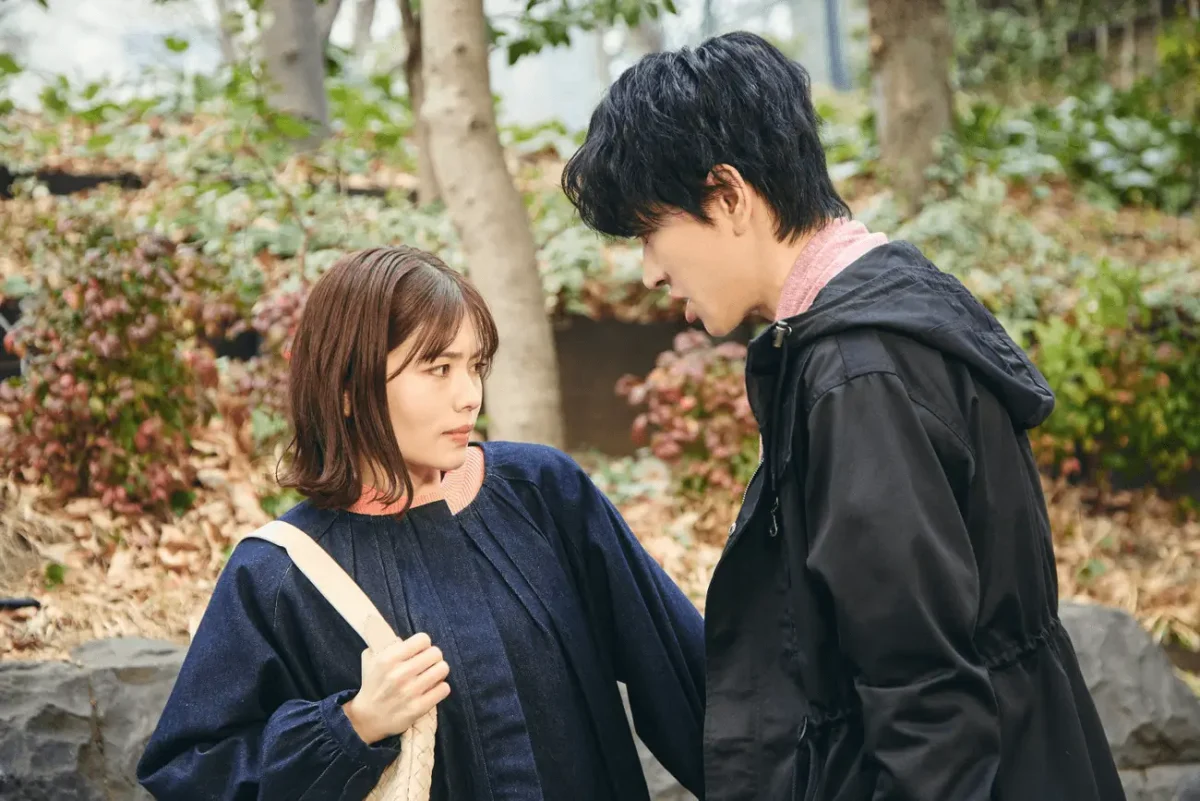
From the release of the trailer, Asian audiences were captivated by Fuka’s expressive eyes and fragile beauty. She portrayed Kobe Misa’s pain and determination so powerfully that viewers felt her strength even in her silences. Many international fans have remarked that Fuka brings a more relatable and grounded quality to the character compared to the Korean version. Her natural subtlety and emotional precision have led many to believe she surpassed Park Min-young in portraying the role.
A Career-Defining Moment
Taking on the lead in this remake marks a major turning point in Koshiba Fuka’s career. The original was a phenomenon across Asia, and the remake has attracted regional attention. Many hope this will catapult Fuka into international fame—something her talent certainly warrants.


What makes audiences admire Fuka isn’t flash or scandal, but her careful, disciplined approach to acting. If she continues at her current pace, she may become a symbol of true acting talent in Japan an actress who touches hearts not through hype, but through heartfelt, nuanced performances.
If she maintains this steady trajectory, Fuka is poised to cement her place in Japanese cinema not as a media darling, but as a quietly compelling presence.
K14
You must be logged in to post a comment.