

The ₩2 billion (~$1.5 million) damage suit filed by Cuckoo Electronics against actor Kim Soo-hyun is already facing complications after its very first court hearing.
At the hearing on November 14, the judge instructed the plaintiff to “clearly specify the grounds for their claim,” which isn’t a mere procedural formality. Rather, it signals that the court officially recognizes the vague and potentially baseless foundation of the lawsuit. The legal battle has now entered murky waters.
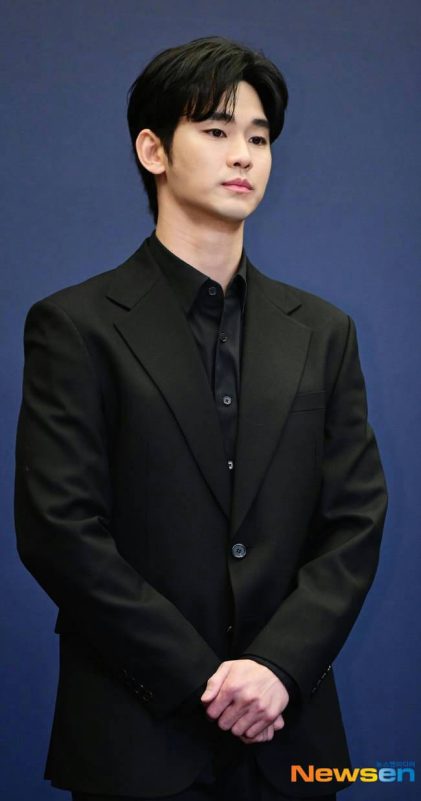
Cuckoo Electronics cited Kim’s recent “personal controversy,” which has spread rapidly online, as justification for terminating his endorsement contract and demanding damages. However, the alleged controversy remains unverified and is largely fueled by speculative claims and internet rumors, some bordering on cyber gossip.
Unlike criminal offenses such as DUI, assault, or military evasion—issues that would warrant clear societal condemnation—the current case lacks verified facts. Yet, Cuckoo is using this uncertainty to argue that the “trust relationship” with Kim has collapsed.
While “breakdown of trust” can serve as grounds for terminating an endorsement deal, it must stem from clear contractual violations or misconduct by the model. Claiming a loss of trust based solely on online chatter without any objectively harmful actions by Kim fails to meet legal standards.
This is why the judge specifically questioned whether the alleged breakdown was based on emotional judgment or the actor’s actual fault—a critical legal distinction.
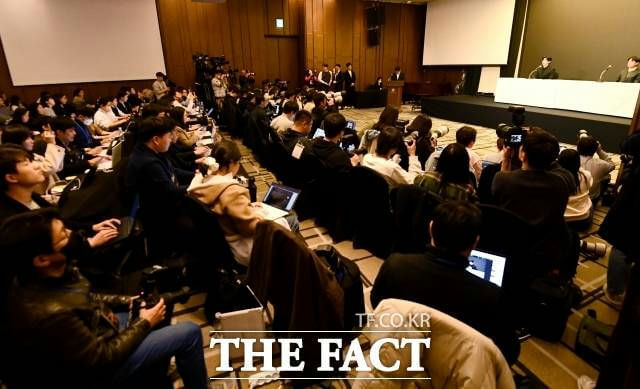
From a legal standpoint, Cuckoo’s lawsuit appears premature. Arguing for a contract termination based on unproven accusations directly contradicts foundational contract law principles. For image damage to justify legal action, the harm must be objectively evident and socially condemnable.
Currently, the situation reflects the existence of a controversy—not proven wrongdoing. In fact, given the ambiguous nature of the allegations, many believe Kim himself could be the victim.
From a brand ethics and strategic standpoint, Cuckoo’s reaction also raises eyebrows. The company has worked with Kim Soo-hyun for over a decade, making him the face of its brand and building a public image in tandem with his popularity. Such long-term collaboration naturally fosters a sense of partnership and mutual trust.
Yet when controversy surfaced, the company chose not to protect, clarify, or investigate—but to immediately cut ties and take legal action. It’s no surprise that public sentiment turned critical, with some comparing Cuckoo’s actions to “offering an umbrella on a sunny day, only to snatch it away when it rains.”
Brand identity isn’t shaped solely by slogans—it reflects a company’s values and principles. Resorting to legal threats based on unverified claims may paint the company as one that abandons responsibility in times of crisis. Ending a long-standing partnership this hastily may damage not only its relationship with Kim but also the trust it has built with consumers.
While we await Cuckoo’s follow-up arguments in court, for now, the lawsuit’s legitimacy and rationale seem deeply unstable.
This case forces a broader reflection on corporate crisis management. The first principle should always be fact-checking, followed by action based on integrity and principle. When a company prioritizes short-term reactions over core values in the face of public scrutiny, it risks doing lasting harm—to both its image and credibility.
By treating allegations as truths and shifting the burden of reputation management onto the model, Cuckoo’s move may appear less like image protection and more like image scapegoating—a contradiction they may struggle to justify.
Sources: Daum
You must be logged in to post a comment.