

Super Junior member Kim Heechul has opened up about the long-rumored rivalry between SM Entertainment and YG Entertainment, recalling a time when both Super Junior and BIGBANG were caught in an awkward standoff over who would appear on a music show’s ending stage.
The story was revealed in the July 17 episode of Daesung‘s YouTube show Zip Daesung, titled “Super Junior Final, Final, Final Summary.”
Kim Heechul appeared alongside fellow Super Junior member Leeteuk, where the trio reflected on memorable moments from their careers.
Speaking about the past relationship between SM and YG, Kim Heechul explained that although artists often wanted to leave after finishing their performances, companies sometimes competed over which group would receive the coveted ending stage. “When we’re busy, we honestly just want to finish our opening performance and go home. But both companies wanted the ending stage.”

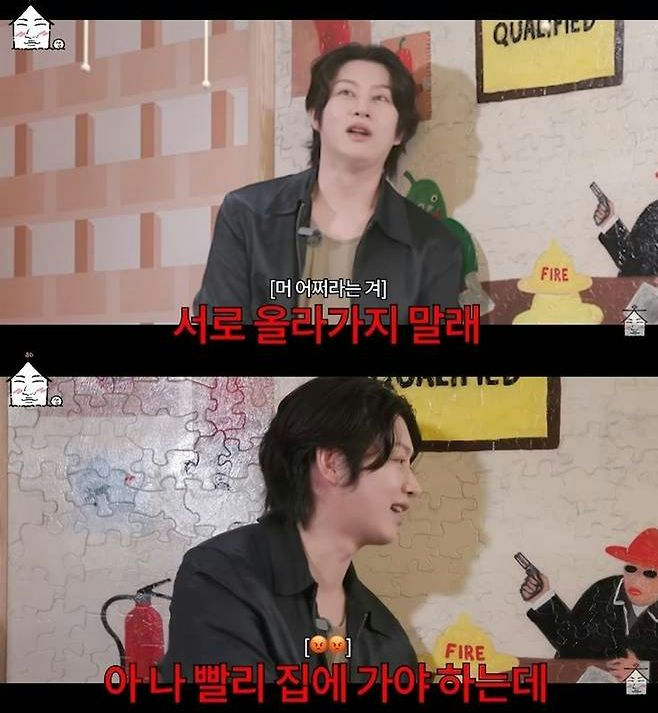
He continued by describing the situation: “We were told, ‘Super Junior, go up.’ Then our company suddenly told us to wait. Meanwhile, BIGBANG was also waiting. Both teams were standing by because each company kept telling us not to go on stage.”
Kim Heechul admitted the situation eventually became too frustrating. “I wanted to go home quickly, so I got annoyed and just left.” The comment surprised both Daesung and Leeteuk, with Daesung jokingly reacting, “He really just left.”
Despite the tension between the companies, the three idols agreed that the artists themselves rarely viewed each other as rivals. They shared that the competition often came from the agencies rather than the performers. “We’re all singers in the end.” They added that the artists generally had no strong feelings about who performed last, but company rivalries sometimes created unnecessary competition.
Kim Heechul’s anecdote offers fans a rare behind-the-scenes look at the competitive atmosphere during the peak of second-generation K-pop, when Super Junior and BIGBANG were among the industry’s biggest groups.
His story also highlights that while entertainment companies often competed for visibility and prestige, the idols themselves were more focused on completing their schedules than engaging in rivalry.
Sources: Daum | 뉴스엔
You must be logged in to post a comment.