

The controversy surrounding the idol audition show Under Fifteen — accused of child sexualization — has taken another turn, as KBS Japan confirmed it will not air the program after all.
On August 9, KBS stated: “KBS Japan discussed airing ‘Star Is Born’ (formerly ‘Under Fifteen’) after internal and external reviews and consultations, but in light of serious public opinion both domestically and abroad, we have decided not to include it in the channel’s lineup.”
The broadcaster clarified that KBS Japan is a separate corporation, with KBS Media as the largest shareholder, and that programming decisions are made independently.
Earlier, KBS Japan has revealed plans to air Star Is Born on August 11. Promoted as a next-generation K-pop audition program for contestants under the age of 15, the show is helmed by producer Seo Hye-jin, famed for creating hit series such as Miss Trot and The Best K-Trot Singer.

However, the program has been mired in controversy since its announcement.
- Age concerns: The youngest contestant is only 9 years old, raising accusations of child exploitation.
- Provocative styling: The teaser featured minors in crop tops and heavy makeup.
- Barcode imagery: Promotional photos included barcodes beneath contestants’ images, fueling accusations of child sexualization.
Producers denied the allegations, claiming the barcode was part of a “student ID” concept, and stated that the program had passed pre-screening by the Korea Communications Standards Commission — a claim later proven false. In March, 129 civic groups called for the show’s cancellation, leading MBN to drop it from its lineup.
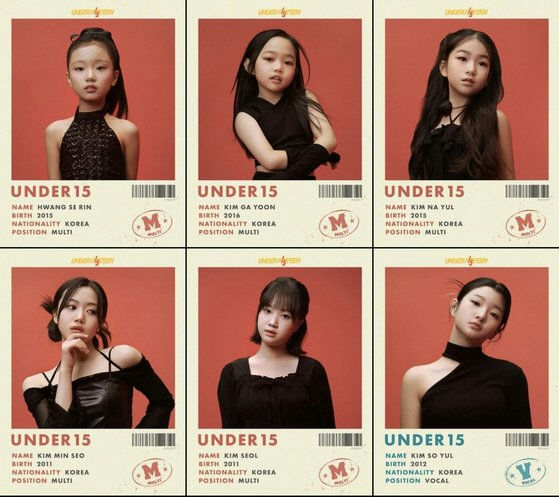
Despite the backlash, KBS — a taxpayer-funded public broadcaster — has now picked up the program for its Japanese audience. Critics argue this decision ignores the strict moral standards against sexualizing minors in many countries and risks exposing young Korean contestants, dressed in revealing outfits, to objectification by Japanese viewers.
Adding to the outrage is the timing: airing such a program for Japanese audiences so close to Liberation Day, which marks Korea’s independence from Japan, is seen as deeply insensitive.
KBS Japan, a subsidiary established to distribute Korean content in Japan, is headquartered in Tokyo with KBS as its largest shareholder.
The move has sparked fierce debate over the broadcaster’s responsibility, ethics, and the protection of minors in the entertainment industry.
Sources: Sports Chosun
You must be logged in to post a comment.