
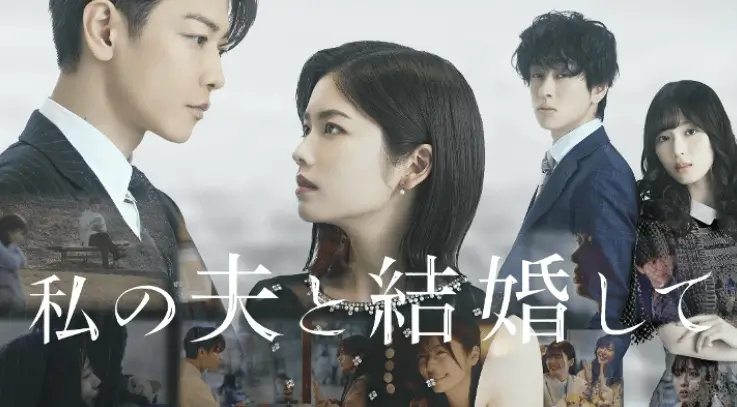
The Japanese adaptation of “Marry My Husband“—originally a hit Korean webtoon and later a viral K-drama—has made a remarkable impression with its introspective, emotionally rich approach, which many viewers feel “smooths out” all the flaws of the Korean version.
Premiering in late June, the Japanese version spans 10 episodes. It is directed by Ahn Gil Ho (The Glory) and written by acclaimed screenwriter Oshima Satomi, known for “A Litre of Tears”.
Sato Takeru: The Heart of the Japanese Version
The story centers on Kobe Misa (played by Kojima Fuka), a terminally ill woman betrayed and killed by her husband and best friend. She wakes up a decade earlier and decides to rewrite her life by pushing her husband to marry the mistress early. Along the way, she gains unexpected support from her boss, Suzuki Wataru (played by Sato Takeru), a man she had no past connection with.

While the plot remains faithful to the original, the Japanese version introduces praiseworthy refinements. The pacing is tight and efficient, cutting out unnecessary filler. From its visual tone to its introspective narration, the series presents Misa’s journey in a way that feels more emotionally authentic and grounded.
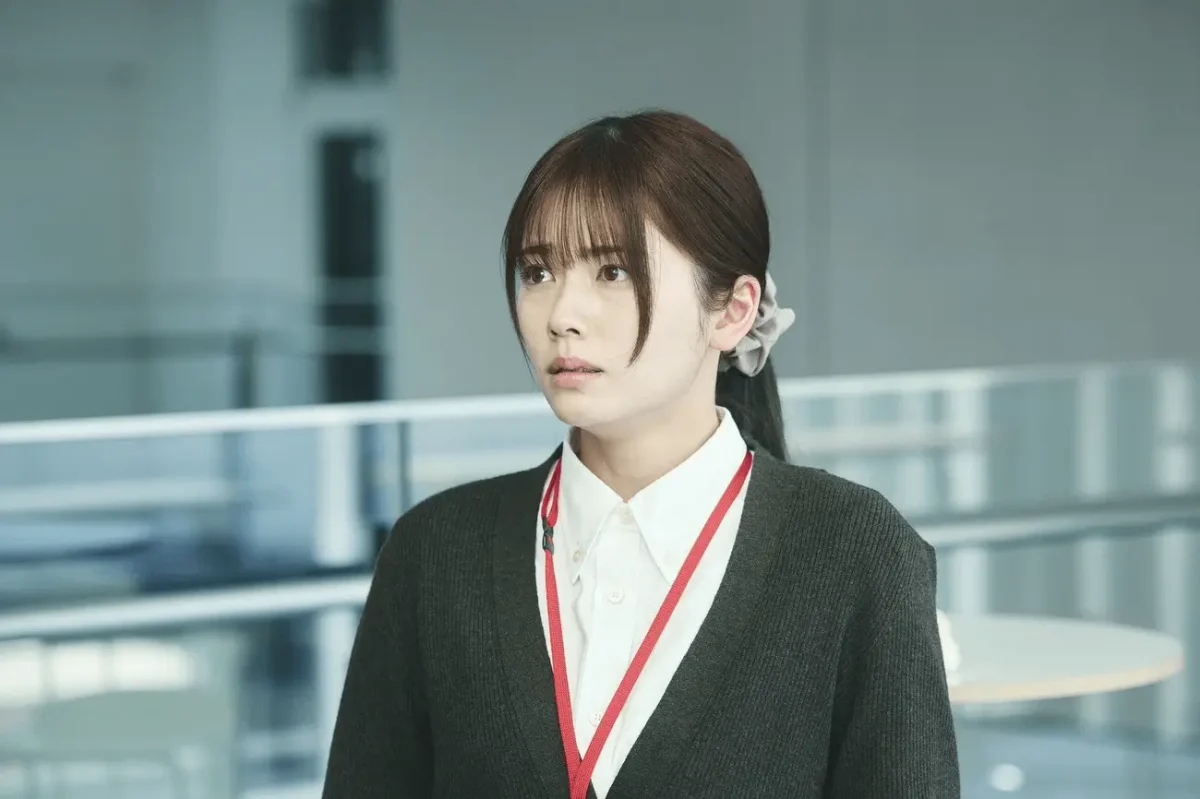
Actress Kojima Fuka, though relatively unknown internationally, impressively transforms from a submissive, fragile woman to an empowered, self-assured protagonist. Her performance is on par with Park Min Young’s from the Korean version.
However, it is Sato Takeru who truly steals the show. Known for his legendary roles, Sato delivers a heartfelt portrayal of a “cold yet warm” executive. His quiet, awkward sincerity stands in stark contrast to Na In Woo’s warm “puppy” persona in the Korean version, offering viewers a more layered male lead.
Fixing the Flaws of the Korean Original
In comparison, Wataru in the Japanese remake is portrayed with more emotional weight. Despite his seemingly perfect exterior—good looks, education and career—he leads a lonely, loveless life, having sacrificed his dreams out of duty to his stepfather’s family.
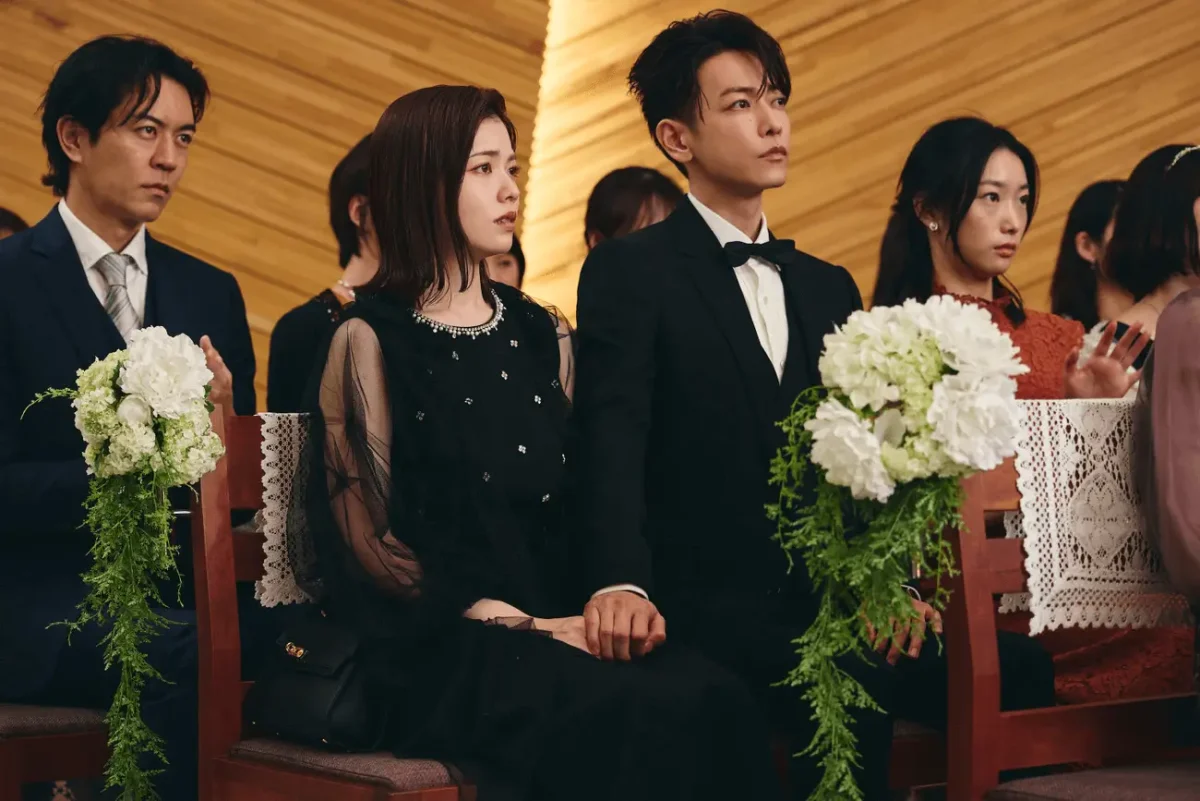
Meeting Misa opens his heart for the first time. Though he silently supports her from afar, his love remains unwavering. Misa’s untimely death devastates Wataru. In one heart-wrenching scene, he holds her ashes silently at her funeral and disappears. The show never clarifies whether his death is accidental or suicide, but the ambiguity adds emotional depth. In contrast, the Korean version’s male lead, despite his bright future and family support, abruptly ends his life—something many viewers found hard to justify.
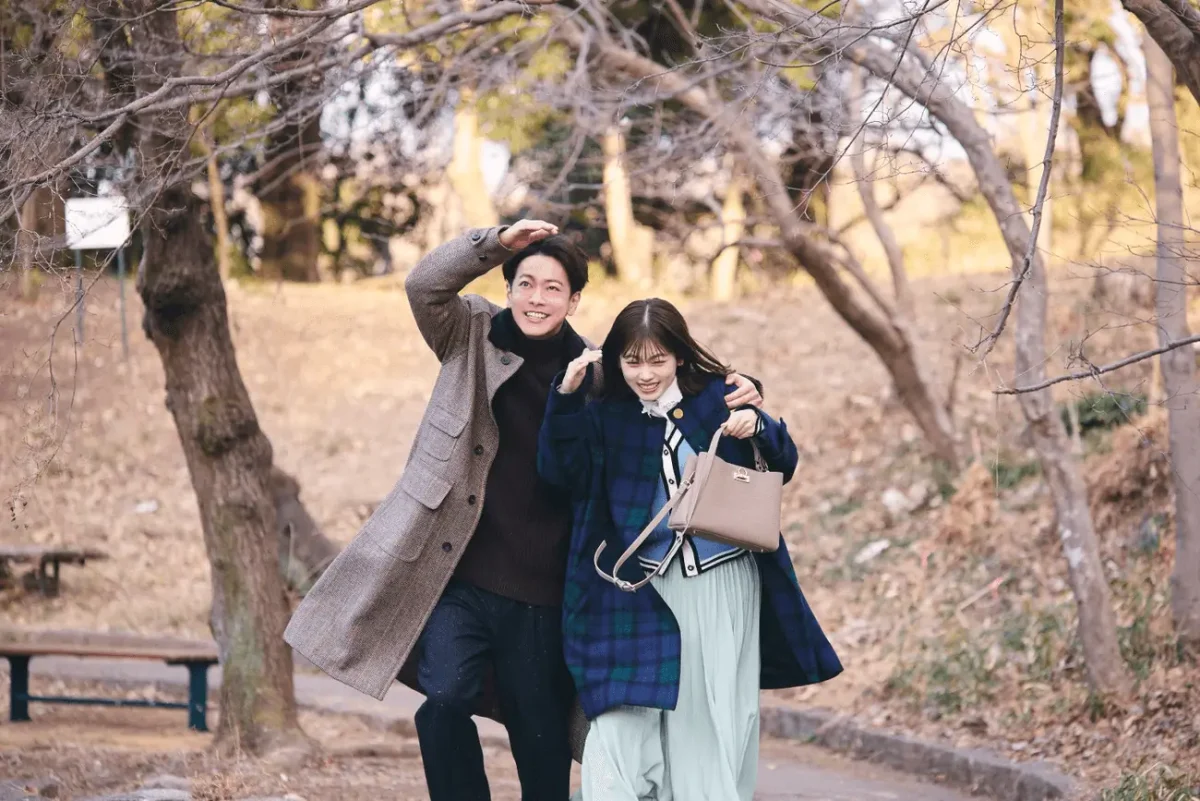
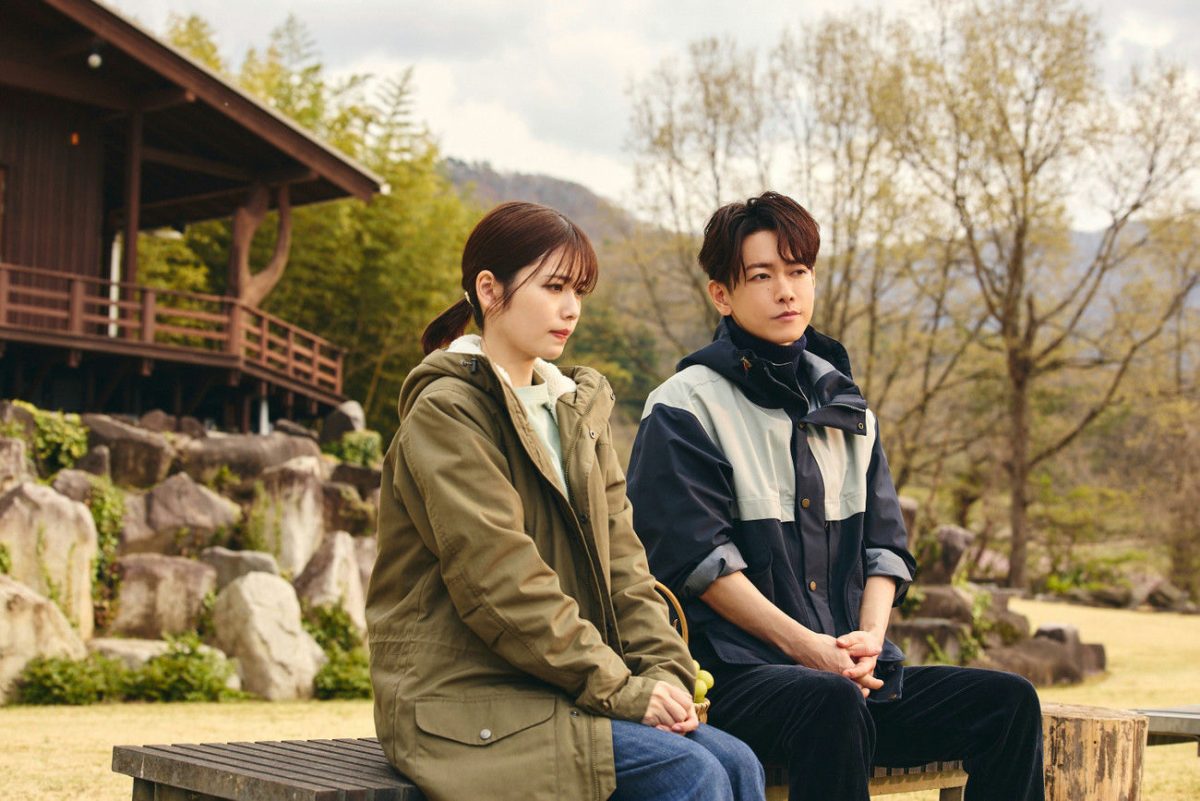
The Japanese version also excels in emotional storytelling. Scenes where the leads share traditional wagashi (Japanese sweets) at a tea house provide gentle, heartwarming moments of connection. The motif of turtles and turtle-shaped sweets symbolizing fate adds a subtle cultural charm.
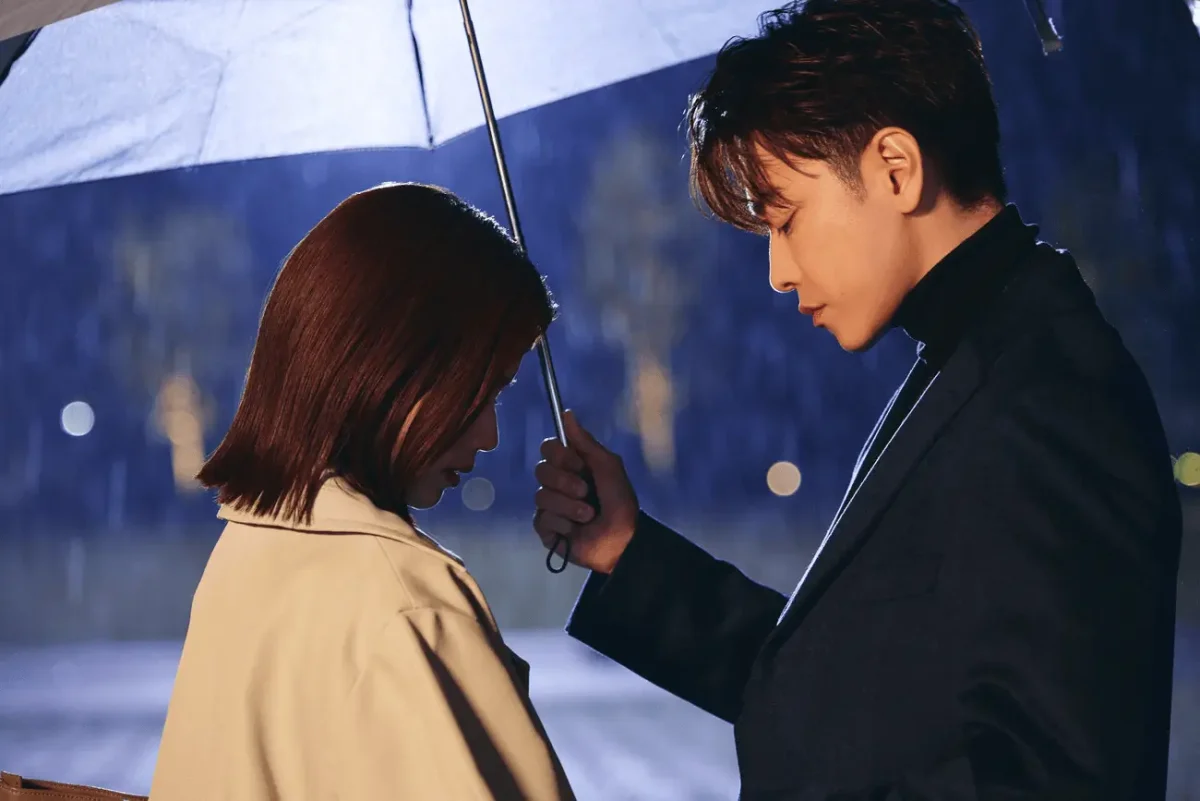
While the core concept isn’t new, the Japanese “Marry My Husband” earns praise for its well-structured narrative and strong character development. Critics of the Korean version cited its weak second half and illogical plot turns. In contrast, the Japanese version remains focused, concise, and empowers the female lead.
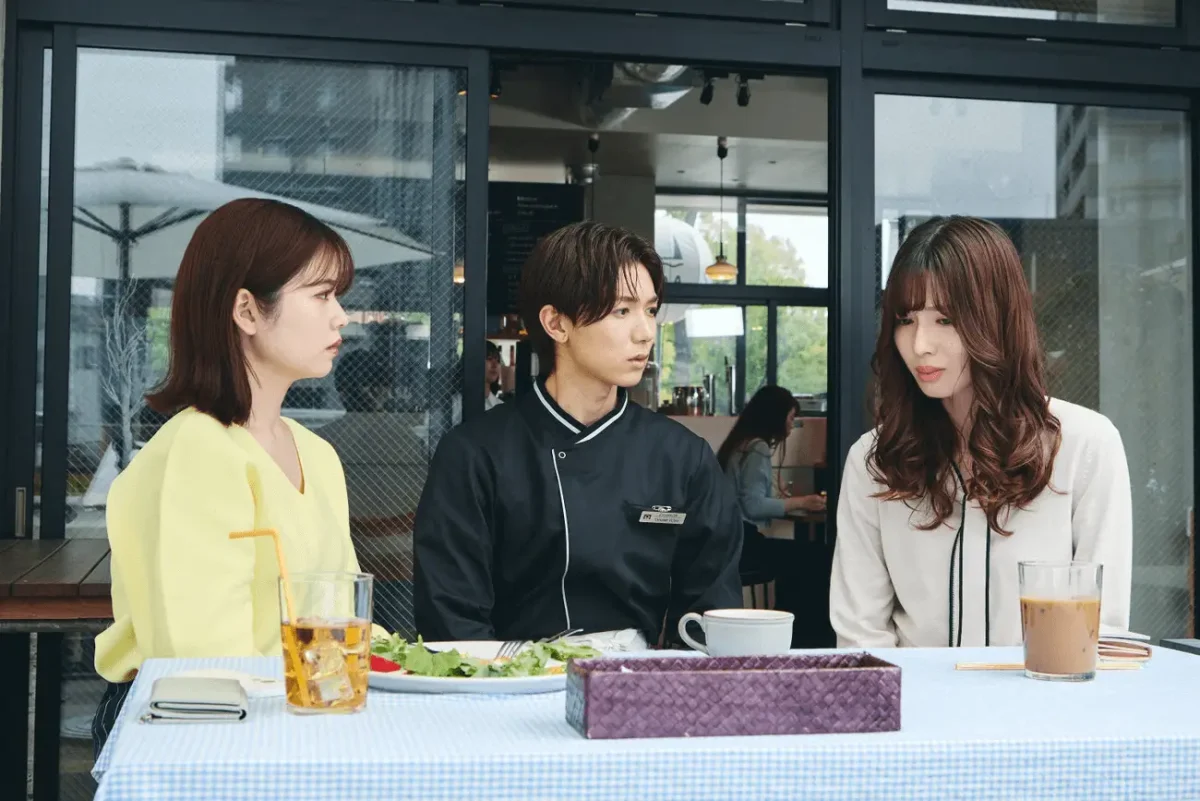
One particularly applauded scene is the class reunion. Rather than simply confronting her romantic rival, Misa directly addresses the entire group that once bullied her, asking “Why did you hate me?” before declaring that she has no regrets. The moment encapsulates the show’s message—revenge through self-healing and reclaiming agency.
Strong Supporting Cast and Critical Acclaim
The supporting cast also earns acclaim. Yokoyama Yu (from Super Eight) plays the cruel husband, while Shiraishi Sei portrays the betraying best friend with venomous charm. Viewers remarked that the Japanese antagonists felt more intimidating and sharply written than their Korean counterparts.

On social media, scenes from the show are going viral, with TikTok clips racking up views and the title ranking 8th on China’s hot search list. Chinese media commented: “Without resorting to excessive drama, the Japanese ‘Marry My Husband’ feels like a gentle yet profound novel—one that leaves viewers content after every episode.”
Unlike the Korean version, where viewers started rooting for the villain, the Japanese version keeps you invested in the heroine’s growth.
K14
You must be logged in to post a comment.