

“Dating” has long been a sensitive topic in showbiz. Idols are often expected to focus solely on their careers and reciprocate fans’ affection, rather than pursue personal relationships. Some strict agencies even include explicit “no dating” clauses in their contracts.
In Japan’s entertainment industry, there have been multiple lawsuits related to idols dating. In March 2013, a Japanese trainee signed a contract with her agency and later debuted in a six-member girl group called DokiDoki, which held its first public performance four months later. At the time, she was only 17 years old.
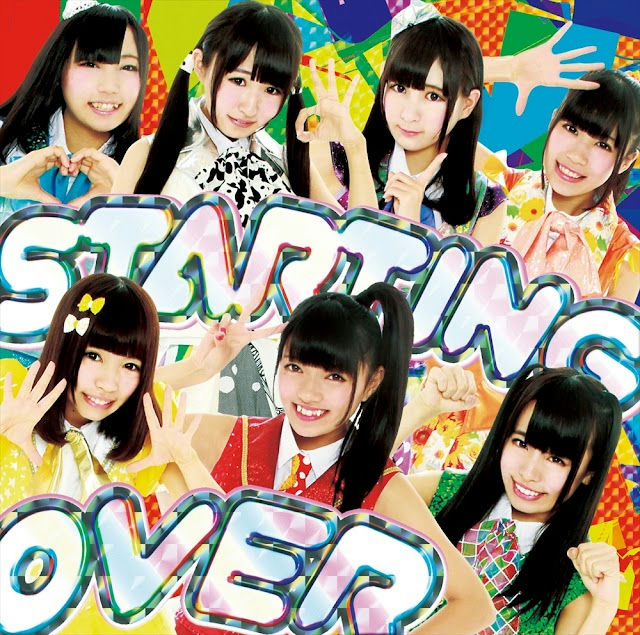
Although the group was not widely famous, they still followed standard idol contracts, including a strict no-dating clause. Part of the agreement prohibited members from contacting the opposite sex for romantic or sexual purposes. However, the idol secretly went against the rules and accepted an invitation from a male fan to visit his hotel room—an action that was somehow discovered by the agency.
The company immediately filed a lawsuit, demanding compensation for breach of contract. The idol’s lawyer argued in her defense that being in a romantic relationship did not prevent her from fulfilling her duties as a singer, stating, “Avoiding such relationships is not absolutely necessary to be an idol.”

On September 18, 2015, Judge Akimoto Kojima of the Tokyo District Court ruled in favor of the agency. He stated that “being discovered in a relationship damaged her image as an idol,” which in turn negatively impacted the company’s revenue. The court noted that many fans financially support idols based on the “fantasy” of a romantic connection. It concluded that “a no-dating clause is necessary to secure financial support from male fans.”
Ultimately, the idol was ordered to pay 650,000 yen in damages, covering costs such as performance outfits and training fees during her trainee period.
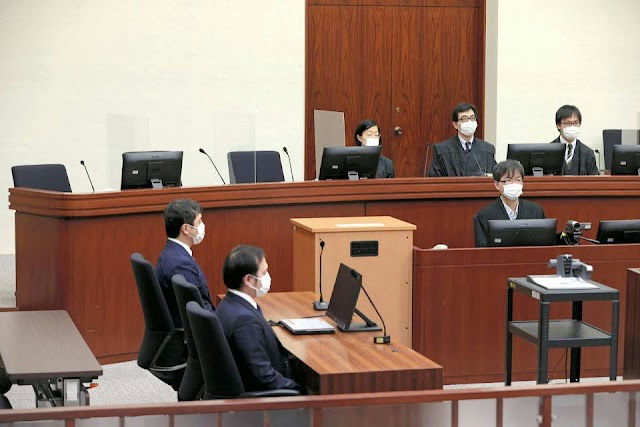
This was not an isolated case. In 2016, another agency sued a 23-year-old idol for dating a fan, claiming it violated a no-dating clause in her 2012 contract. However, this time, Judge Katsuya Hara ruled in favor of the idol, stating that “romantic relationships are a right.” As a result, the court dismissed the company’s claim for 9.9 million yen in damages.
The idol in question was reportedly part of the group Aoyama Saint Hachamecha High School, a seven-member group managed by MovingFactory from 2012 to 2015. In 2014, the agency accused members Miho Yuki and Sena Miura of “betraying” the group by choosing to date, contradicting their public statements that they left due to health reasons. The company dismissed both members and pursued legal action for damages.

Japan’s entertainment industry has also seen other shocking incidents tied to dating. In 2013, Minami Minegishi of AKB48 was caught dating. Although she was not sued or expelled, she was demoted to trainee status. She sparked global controversy after uploading a video of herself shaving her head and tearfully apologizing.
Public opinion remains divided, with some supporting strict dating bans while others strongly oppose them. Many argue that forcing idols to avoid relationships under threat of financial penalties is excessive, emphasizing that romantic relationships are a basic human right and part of the freedom to pursue happiness.
Sources: K14
You must be logged in to post a comment.