

BIGBANG member G-Dragon’s past and recent drug-related investigations are once again drawing attention after reports revealed an unusual connection between the two cases – the same legal figure appearing on opposite sides of the situation.
According to an exclusive report by MHN Sports on June 15, former prosecutor Kim Hee Joon, who led the Violent Crime Division at the Seoul Central District Prosecutors’ Office during G-Dragon’s 2011 marijuana investigation, later joined the singer’s legal defense team during the 2023 drug case involving allegations of violating South Korea’s Narcotics Control Act.
The revelation has sparked discussion within legal circles, as the same individual was connected to both investigations involving G-Dragon – first as a senior prosecutor overseeing the division in charge, and later as one of the singer’s legal representatives.
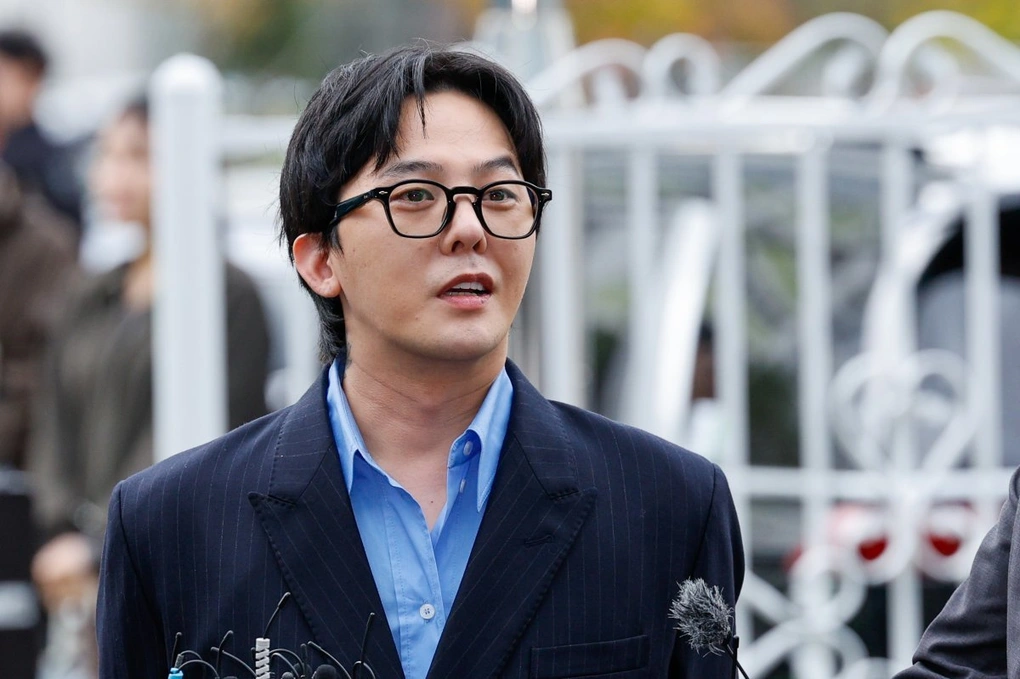
Back in 2011, G-Dragon was investigated by prosecutors after being accused of smoking marijuana at a club in Japan.
At the time, prosecutors stated that G-Dragon claimed he believed the substance handed to him by a Japanese acquaintance was an ordinary cigarette. However, the case gained momentum after his hair test reportedly returned positive results for marijuana.
The investigation officially began in July 2011, when Kim Hee Joon was serving as head of the Seoul Central District Prosecutors’ Office Violent Crime Division.
Later that September, Kim was reassigned during the prosecution’s regular personnel reshuffle, and prosecutor Kim Hoe Jong took over the division.
In October 2011, prosecutors announced a suspension of indictment for G-Dragon. Authorities explained that the decision took into consideration several factors, including that he was not a habitual user, the smoking incident reportedly happened only once, it was his first offense, and he had shown remorse.
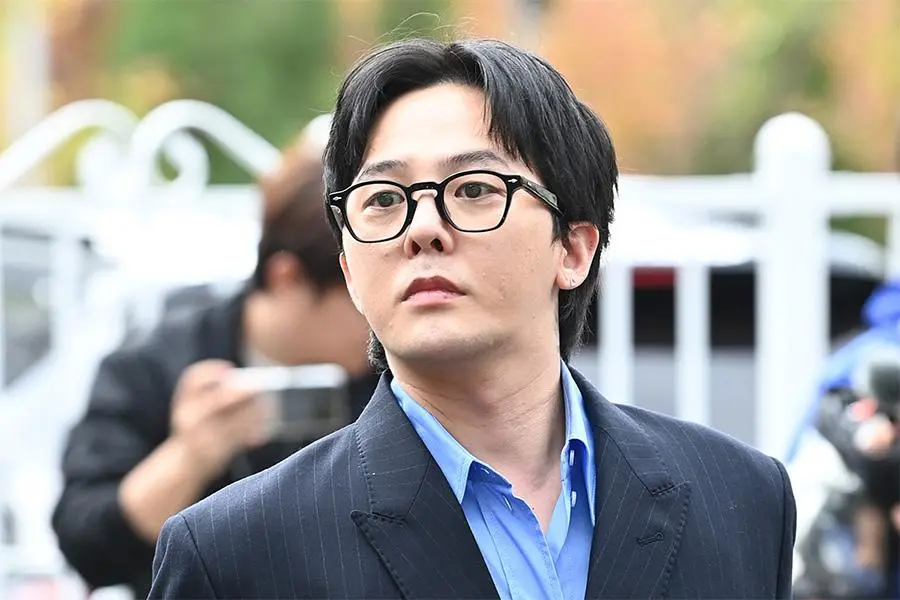
Because of the timeline, Kim Hee Joon is not believed to have been the direct decision-maker behind the final non-indictment ruling. However, he did oversee the department responsible for the investigation during its active period.
In South Korea, a suspension of indictment means authorities acknowledge criminal suspicion but decide not to proceed with formal prosecution after weighing various circumstances. Legally, this differs from a verdict of innocence or a finding of no wrongdoing.
Roughly 12 years later, in 2023, G-Dragon once again found himself under investigation for alleged violations of the Narcotics Control Act.
At the time, the Incheon Metropolitan Police launched an inquiry based largely on statements from an employee at an entertainment establishment. However, detailed testing conducted by the National Forensic Service, including hair and nail analysis, reportedly returned negative results.

Police later concluded there was insufficient evidence to support the allegations and decided not to forward the case for prosecution.
A non-referral decision means investigative authorities determine there is either inadequate evidence or insufficient grounds to establish a criminal offense, meaning the case does not proceed to prosecutors.
As a result, the outcomes of G-Dragon’s two cases were legally very different. In 2011, authorities acknowledged marijuana use and issued a suspension of indictment. In 2023, investigators failed to substantiate the allegations and closed the case without prosecution.
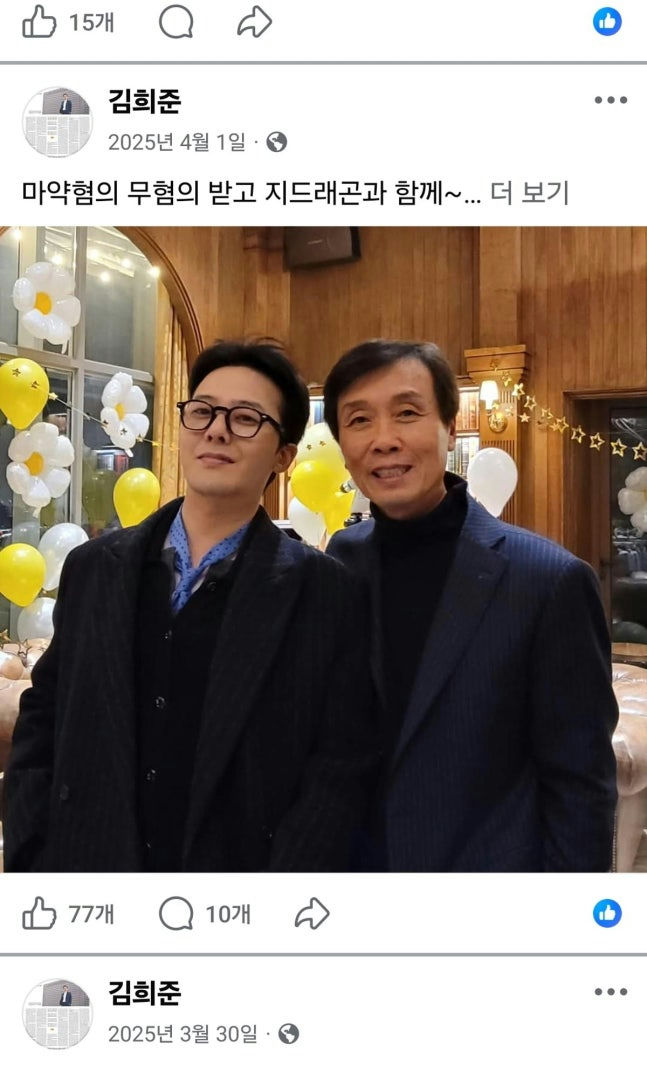
The one figure appearing in both cases was attorney Kim Hee Joon. He previously served as head of the prosecution division overseeing G-Dragon’s 2011 investigation and later became part of the singer’s legal team in 2023.
At the time of the 2011 investigation, the Seoul Central District Prosecutors’ Office was conducting widespread investigations into drug-related offenses involving celebrities.
During Kim Hee Joon’s tenure, several entertainers including Kim Sung Min, Kang Sung Pil, and Jeon Chang Geol were arrested or prosecuted for marijuana-related allegations.
G-Dragon’s case unfolded amid that broader crackdown. Prosecutors publicly confirmed positive hair test results at the time but ultimately cited his first-time offense status, limited amount consumed, and one-time use when deciding on the suspension of indictment.
Industry observers also note that the timing of the scandal coincided with a critical business period for YG Entertainment.

YG Entertainment officially listed on the KOSDAQ market in November 2011, and G-Dragon’s marijuana case emerged shortly before the company’s stock market debut, making it one of the biggest reputational risks surrounding the agency at the time.
According to multiple entertainment industry insiders, concerns were widespread regarding how a drug-related controversy involving a member of one of Korea’s top idol groups could impact YG’s corporate value and investor confidence.
Following the news, the entertainment industry reportedly watched developments closely, with many insiders discussing the potential long-term consequences for both BIGBANG and the agency.
One industry source recalled, “At the time, people were worried less about the case itself and more about the impact it could have on BIGBANG, YG’s brand value, and the company’s image after going public.”

That said, former prosecutors later joining high-profile legal defense teams is not uncommon within South Korea’s legal industry.
Similar controversies surrounding so-called “former official legal teams” have surfaced in major cases involving former President Lee Myung Bak’s BBK and DAS investigations, former President Park Geun Hye’s corruption scandal, and Samsung Electronics Chairman Lee Jae Yong’s legal battles over management succession and political corruption allegations.
More recently, former Ssangbangwool Group Chairman Kim Sung Tae — currently on trial in a North Korea remittance case also drew attention for hiring former elite prosecutors.
Still, some legal experts suggest G-Dragon’s situation stands apart from more conventional cases.
One legal industry source commented, “It is common for former prosecutors to join defense teams in major cases. However, this case attracts attention because the individual who oversaw the division investigating G-Dragon years ago later joined his legal team.”
Based on currently verified facts, there is no evidence that attorney Kim Hee Joon directly made the decision regarding G-Dragon’s 2011 suspension of indictment. Likewise, there is no confirmed basis linking his participation in the 2023 legal team to the police’s decision not to refer the case for prosecution.
Ultimately, neither of G-Dragon’s drug-related cases resulted in criminal punishment.
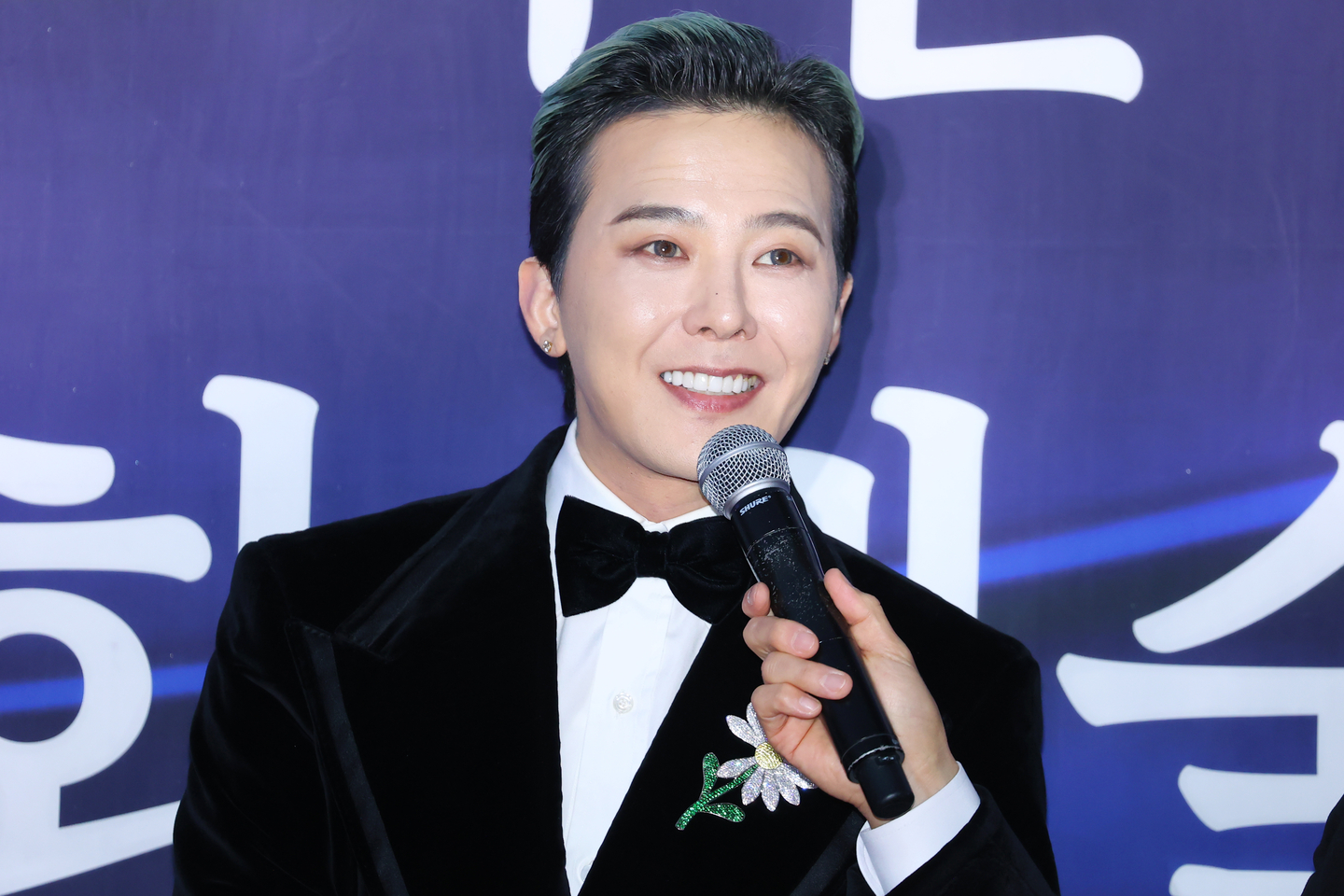
Responding to speculation, G-Dragon’s representatives clarified that Kim Hee Joon’s involvement in the legal team was not personally requested by the artist.
A source close to G-Dragon told MHN Sports, “The lawyer who has handled legal matters for G-Dragon since his military discharge reportedly suggested bringing Kim Hee Joon into the defense team during the legal preparation process.”
MHN Sports stated that it contacted Kim Hee Joon’s side for comment on June 12, but had not received a response by the time the report was published.
Sources: Naver
You must be logged in to post a comment.