

The career of G-Dragon is often described as an unbreakable “wall” for an entire generation.
Hits Across Every Era of G-Dragon
In South Korea, one of the hottest trending topics recently has been G-Dragon’s musical journey. What leaves the public calling it “insane” is his massive catalog of hits spanning over two decades without a true slowdown.
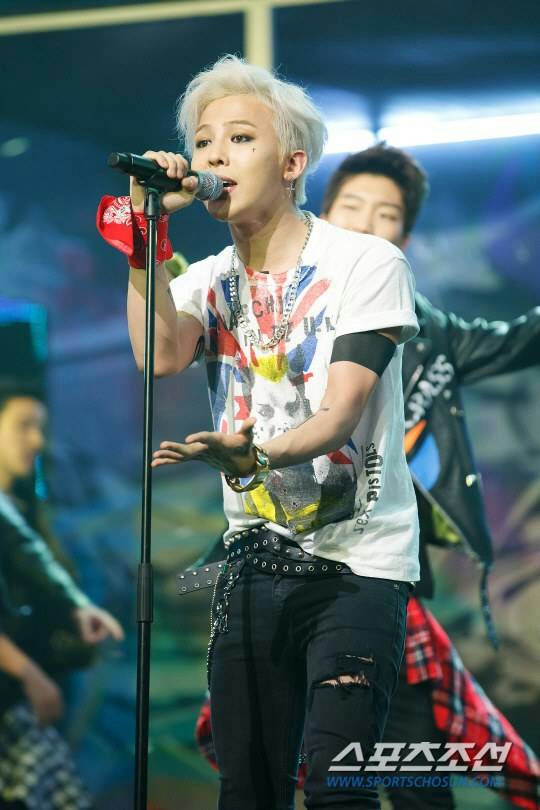
In 2007, at just 19 years old, G-Dragon was already writing lyrics, composing music, and producing major hits. The most iconic example is Lies, BIGBANG’s first national hit, which propelled the group from the so-called “YG basement” to the top tier of second-generation boy groups. From that moment on, his streak of hit-making never stopped.
Just a year later, in 2008, he created songs like Haru Haru, Heaven, and Sunset Glow. By 2009, at age 21, he proved his individual power with his solo album featuring Heartbreaker and A Boy, which swept across Asia. Between 2010 and 2013, G-Dragon’s presence dominated Korean pop music from High High, Oh Yeah to BIGBANG’s Fantastic Baby, Bad Boy, Blue, and his solo tracks Crayon, Crooked, and Who You?. Each song carried a distinct identity, shaping his unique musical and visual style.
The peak continued in 2015 when BIGBANG released the legendary MADE album, featuring Bang Bang Bang, Loser, Bae Bae, If You, and Sober. Beyond commercial success, MADE became a defining symbol of K-pop’s golden era. Notably, G-Dragon was involved in composing and producing nearly the entire discography of BIGBANG.
Even in later years, despite military service and industry shifts, G-Dragon never disappeared. His 2017 EP Kwon Ji Yong remains one of K-pop’s most acclaimed releases. Songs like Flower Road (2018), Still Life (2022), and his third album Übermensch (2025), along with tracks like Power, Home Sweet Home, and Too Bad, extended his legacy. Beyond his own work, he also created songs for fellow members, including Strong Baby (Seungri), Ringa Linga (Taeyang), and Look At Me, Gwisoon (Daesung). His catalog now approaches 200 songs most of them recognized as hits.
Korean netizens have reacted in awe: “A true genius,” “There will never be a second one,” “Still timeless,” and “What’s scary is that he’s not done yet.”
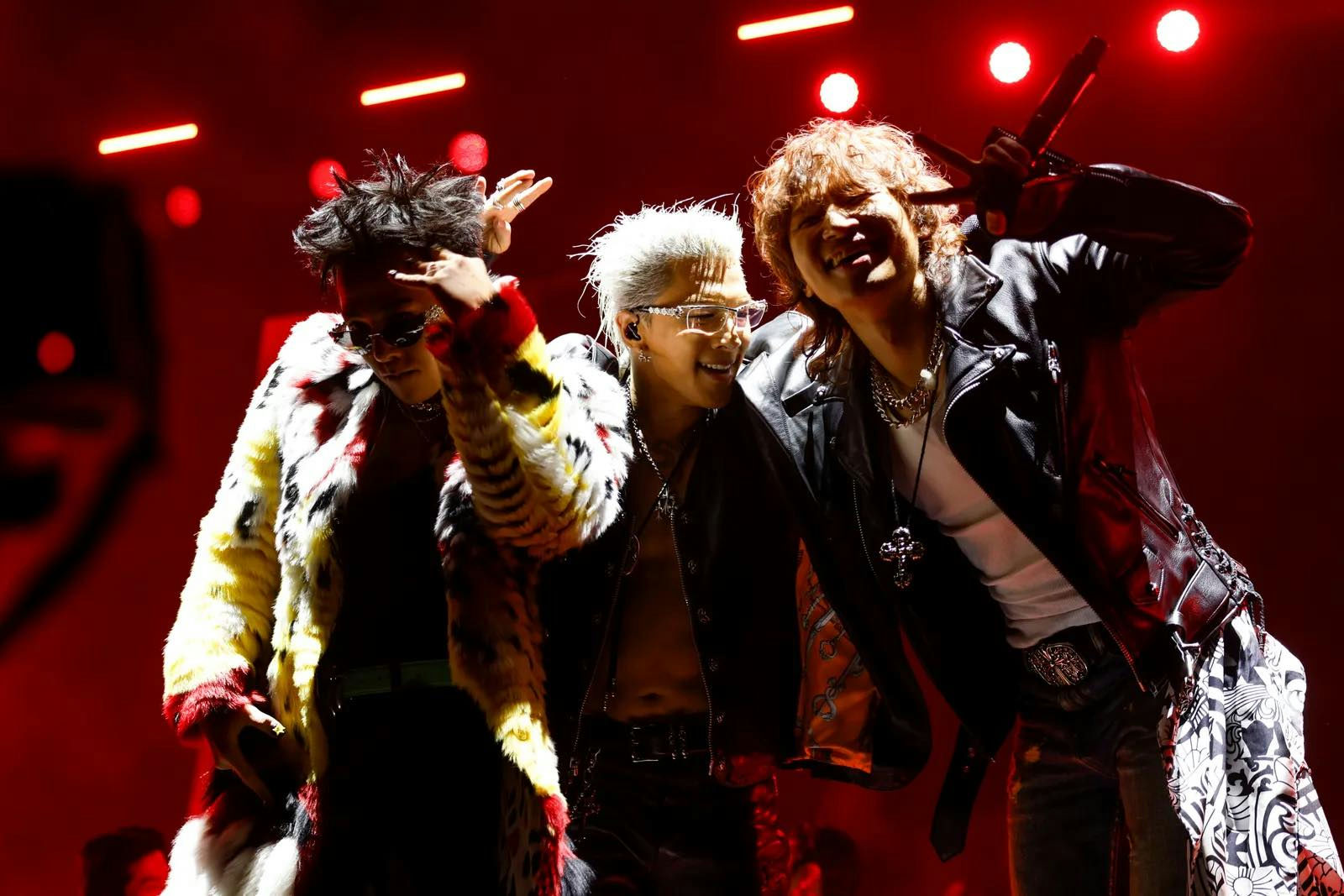
His influence was once again proven when BIGBANG returned to the stage at Coachella 2026. Rather than adapting to Western trends, BIGBANG performed a setlist of Korean-language national hits, preserving the essence of K-pop’s golden era. Out of 16 songs performed, 15 bore G-Dragon’s creative touch.
This made Korean fans especially proud, as G-Dragon not only wrote the music but also led the entire performance from arranging the setlist to redefining the stage concept proving once again that he is the true “soul” of BIGBANG.
From Child Star at 5 to Earning 65 billion KRW a Year
G-Dragon’s real name is Kwon Ji Yong, and his career reads like a decades-long epic. At just five years old, he entered the entertainment industry as part of the children’s group Little Roo’ra. He appeared on television, performed on national broadcasts, and even acted. Despite early fame, the group’s disbandment nearly pushed him away from music.
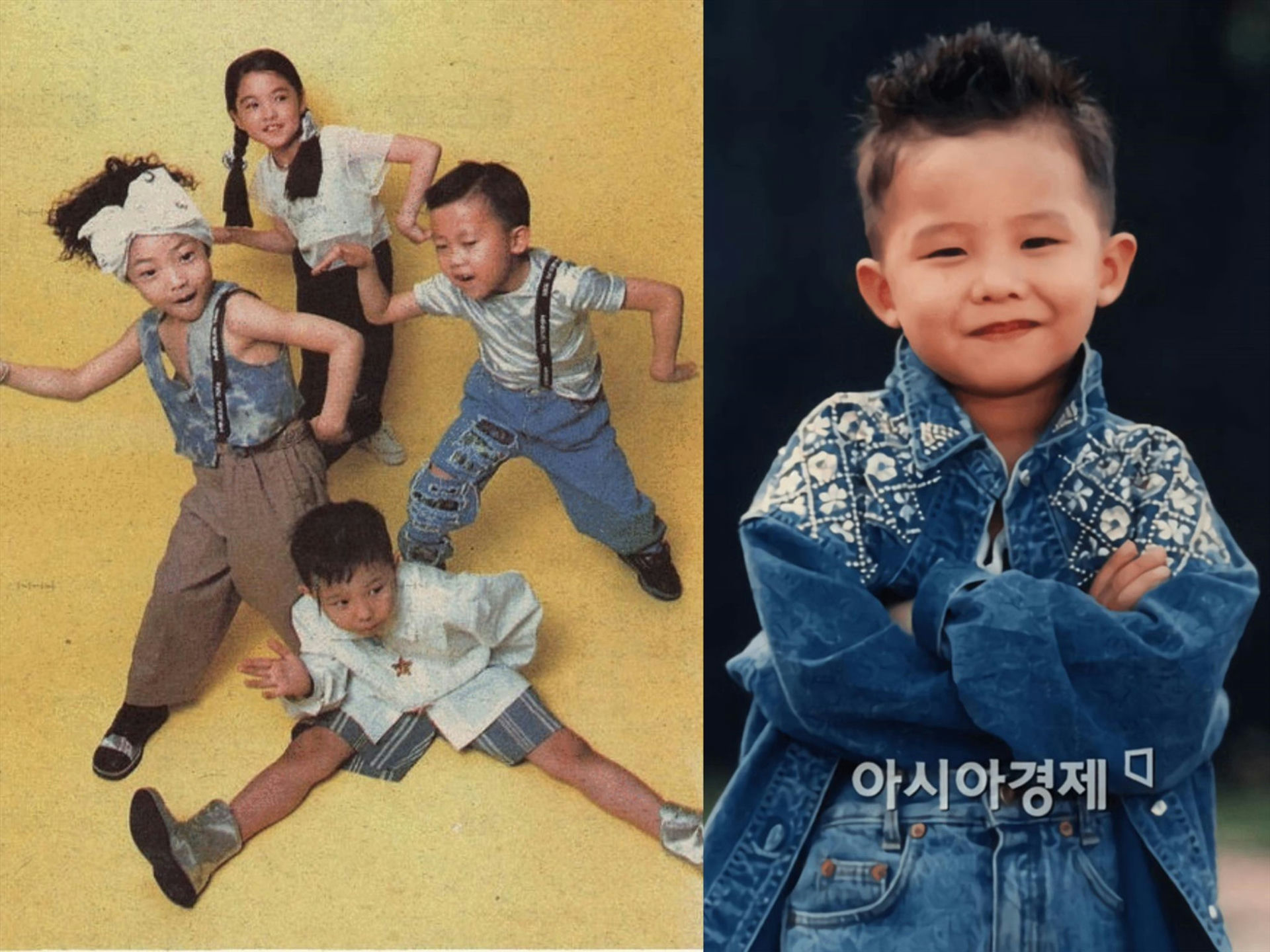
Fortunately, he stayed. G-Dragon trained for 11 years five at SM Entertainment and later at YG Entertainment, where he discovered his hip-hop identity. Debuting with BIGBANG in 2006 as leader, he was also groomed as a songwriter and producer due to his natural talent.
He redefined what it meant to be an idol, pioneering the “self-producing idol” model—something rare in earlier generations. He also introduced the concept of the official lightstick, with BIGBANG’s crown-shaped Bang Bong becoming a symbol that shaped K-pop fandom culture.
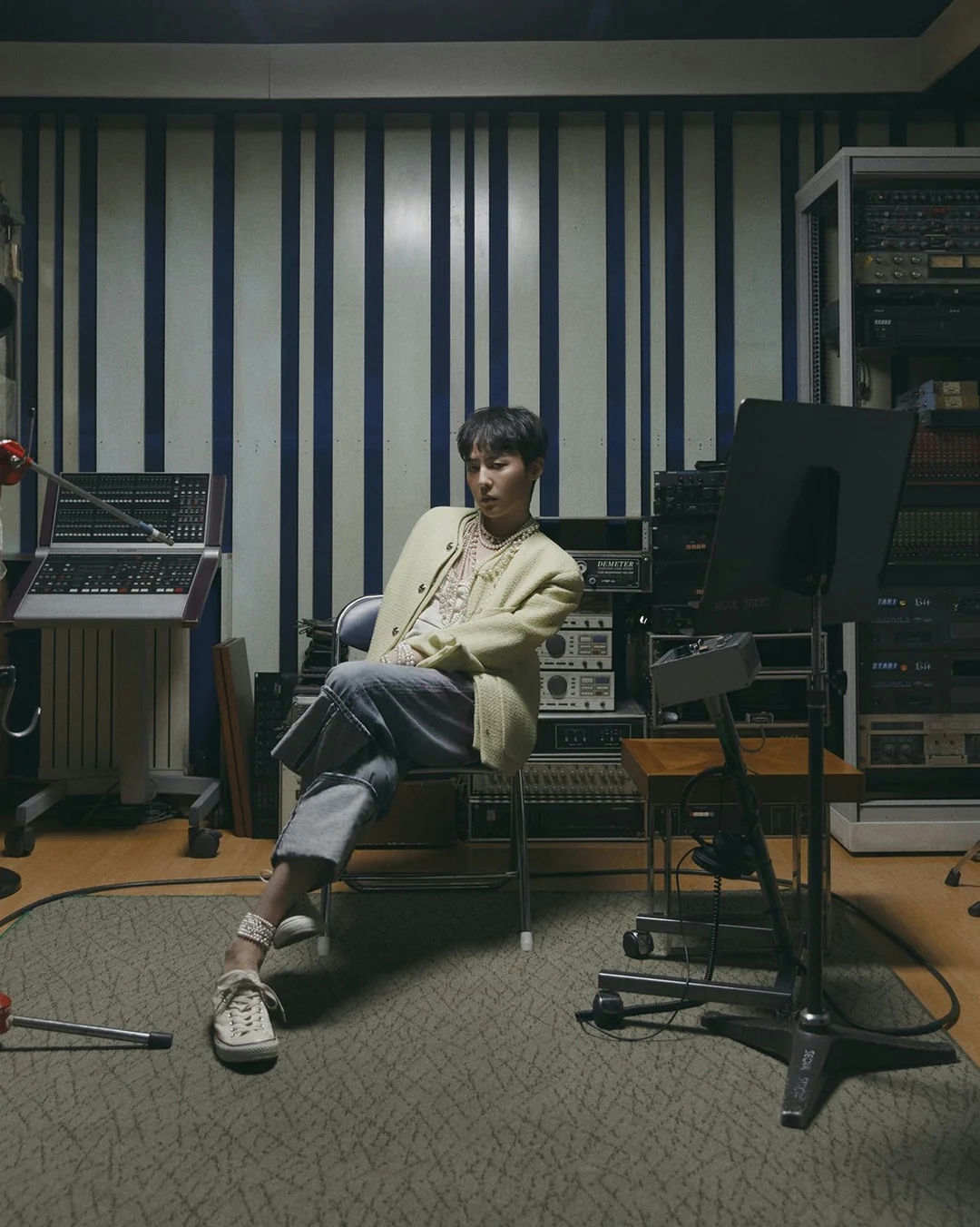
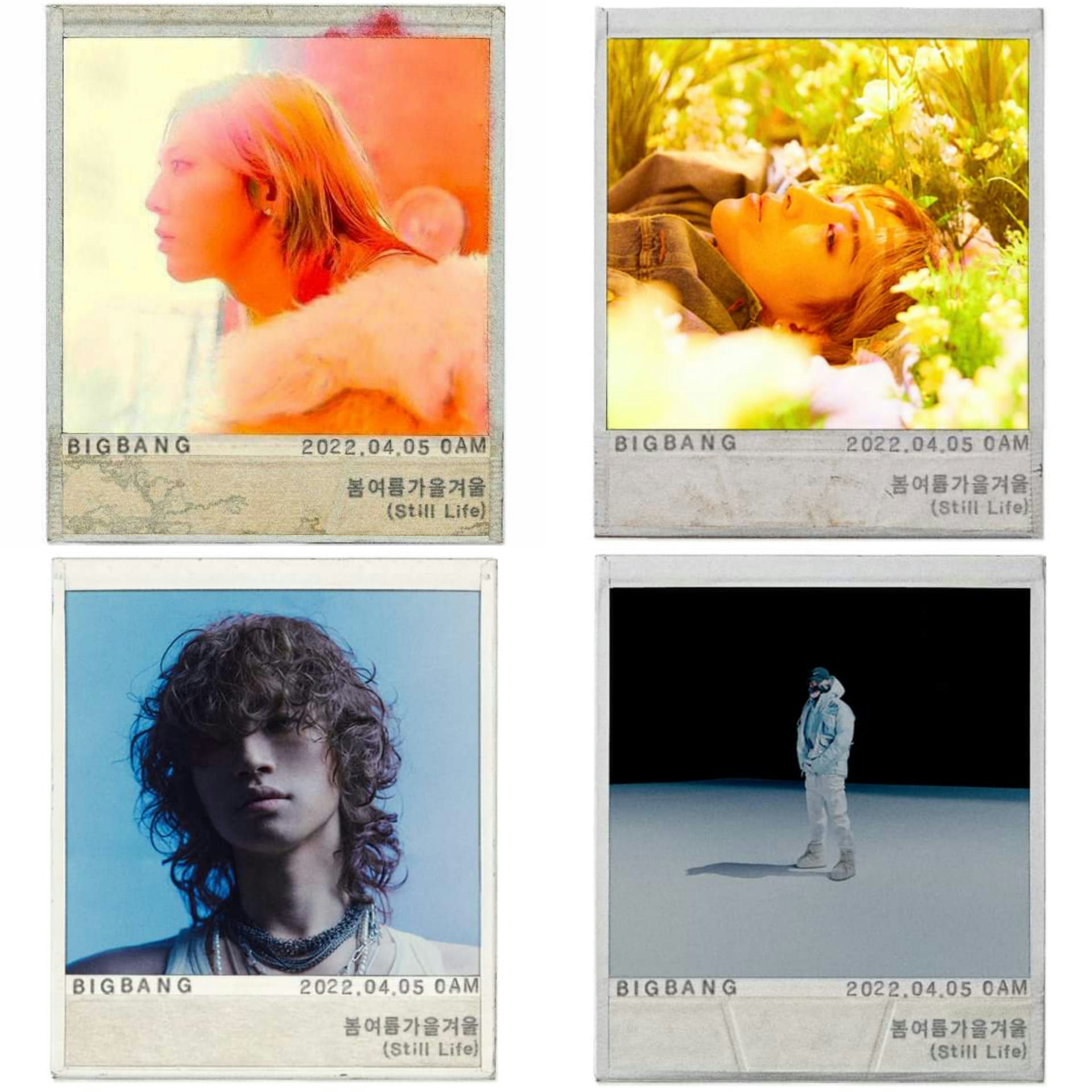
Despite his success, challenges followed. The biggest shock came in 2019 with the Burning Sun scandal involving Seungri. While G-Dragon was serving in the military, the group’s activities halted. BIGBANG returned once in 2022 with Still Life, and later, T.O.P left the group in 2023. That same year, G-Dragon faced drug allegations but cooperated fully with investigations and was cleared though the situation became one of the toughest crises of his career.
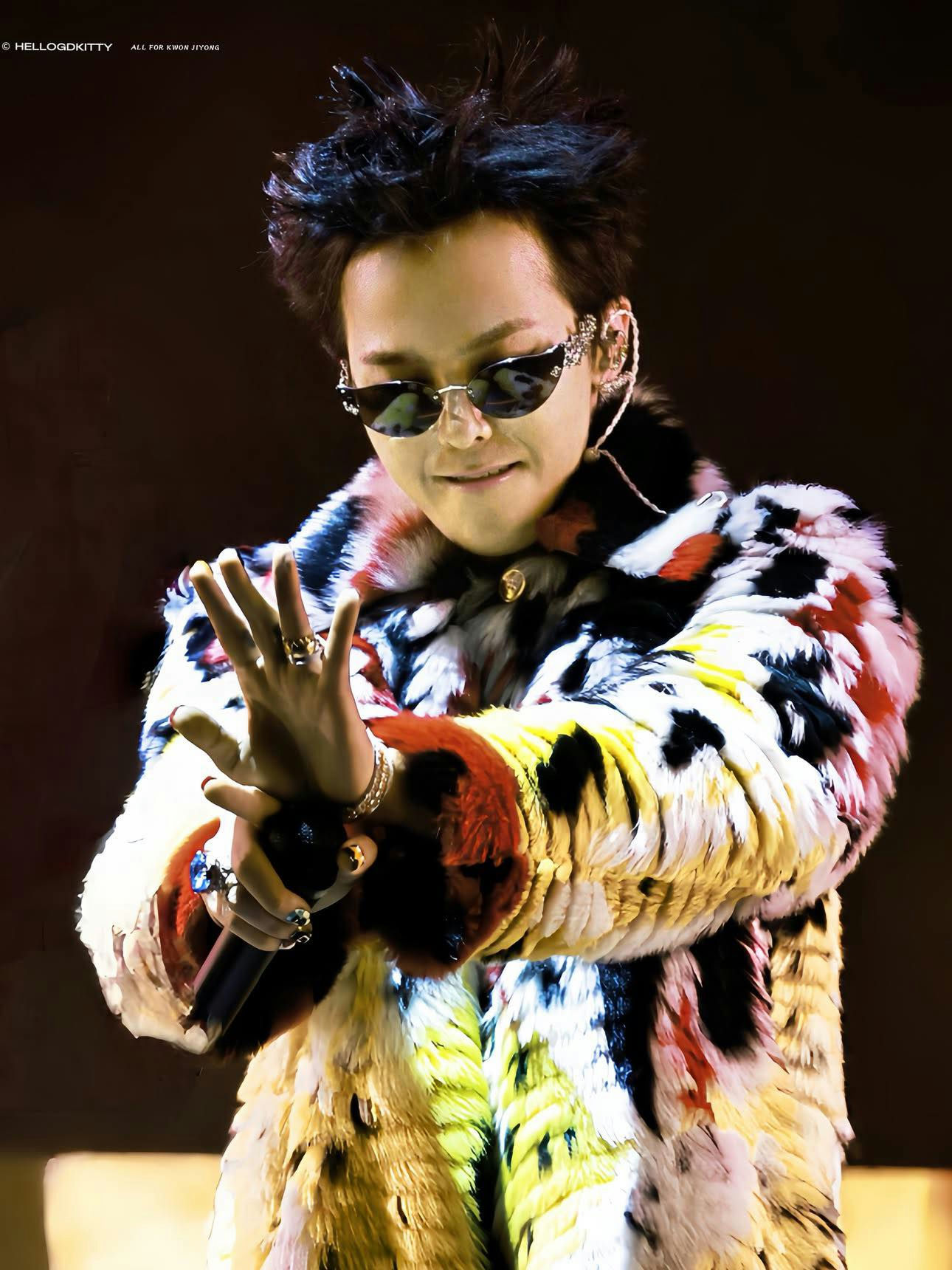
In early 2024, he left YG Entertainment and joined Galaxy Corporation. There, he prepared his third studio album and officially returned with POWER. In 2025, he marked a major milestone with the release of Übermensch and a global tour.
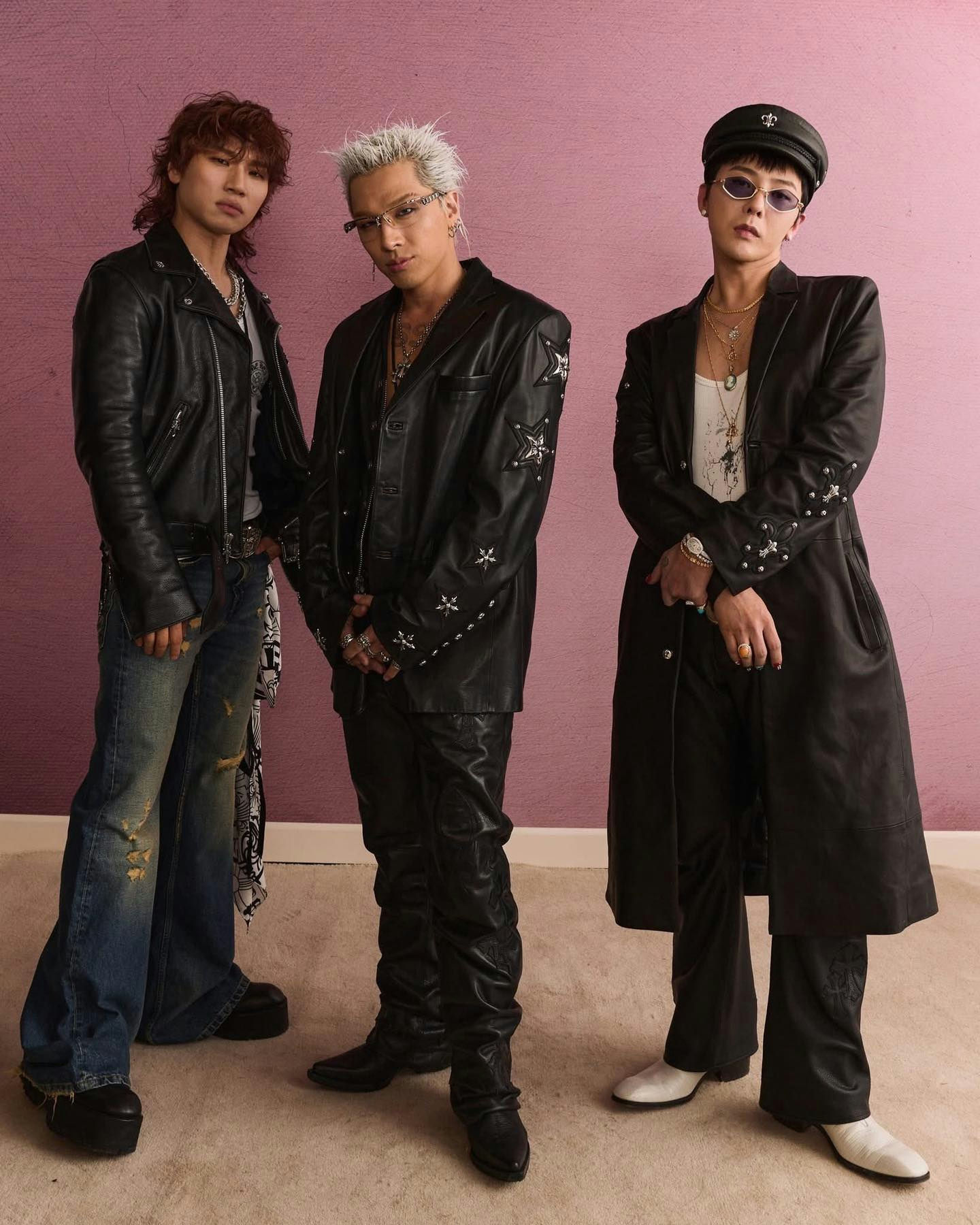
The results were staggering. His world tour attracted over 825,000 attendees, becoming the highest-grossing solo tour by a Korean artist. According to financial reports, G-Dragon earned approximately 65 billion KRW from music, endorsements, and touring activities in 2025 alone.
His achievements extended beyond music. He swept major awards, including a Daesang at MAMA 2025 and seven trophies at the Melon Music Awards 2025, including three grand prizes.

His influence also reaches outside entertainment. He was appointed honorary ambassador for APEC 2025, received the Okgwan Cultural Medal, and even serves as a visiting professor at KAIST, participating in projects that combine art, technology, and AI.
From a child star to a global icon, from a five-year-old performer to an artist earning billions annually, G-Dragon’s journey stands as a symbol of an entire generation. As many Korean netizens have concluded, he is a once-in-a-lifetime genius one that K-pop may never see again.
Sources: K14
You must be logged in to post a comment.