
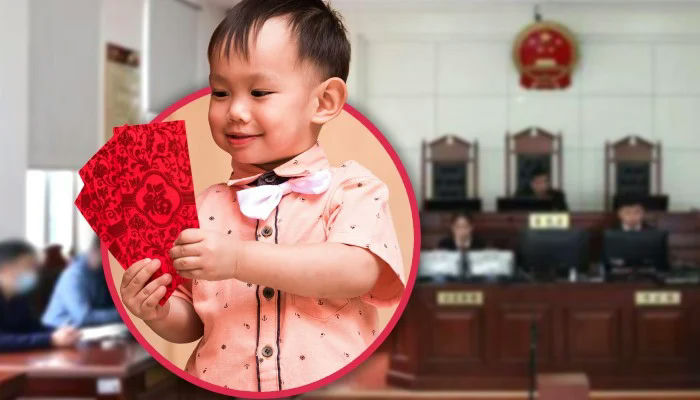
According to the South China Morning Post, a 10-year-old boy named Xiaohui from Zhengzhou, Henan Province, had been living with his father since his parents divorced two years ago. Over the years, Xiaohui accumulated more than 80,000 yuan (approximately $11,500) in red envelope money, which had been deposited into a bank account set up by his father.
After the father remarried and Xiaohui returned to live with his mother, the boy discovered that his father had withdrawn and spent the entire 82,750 yuan (around $12,095), including both principal and interest, to cover the costs of his new wedding without Xiaohui’s consent.
When the boy demanded the money back, his father refused. He argued that the red envelope cash had been given by his own relatives and friends, claiming that the funds would only be returned to his son once he reached adulthood.
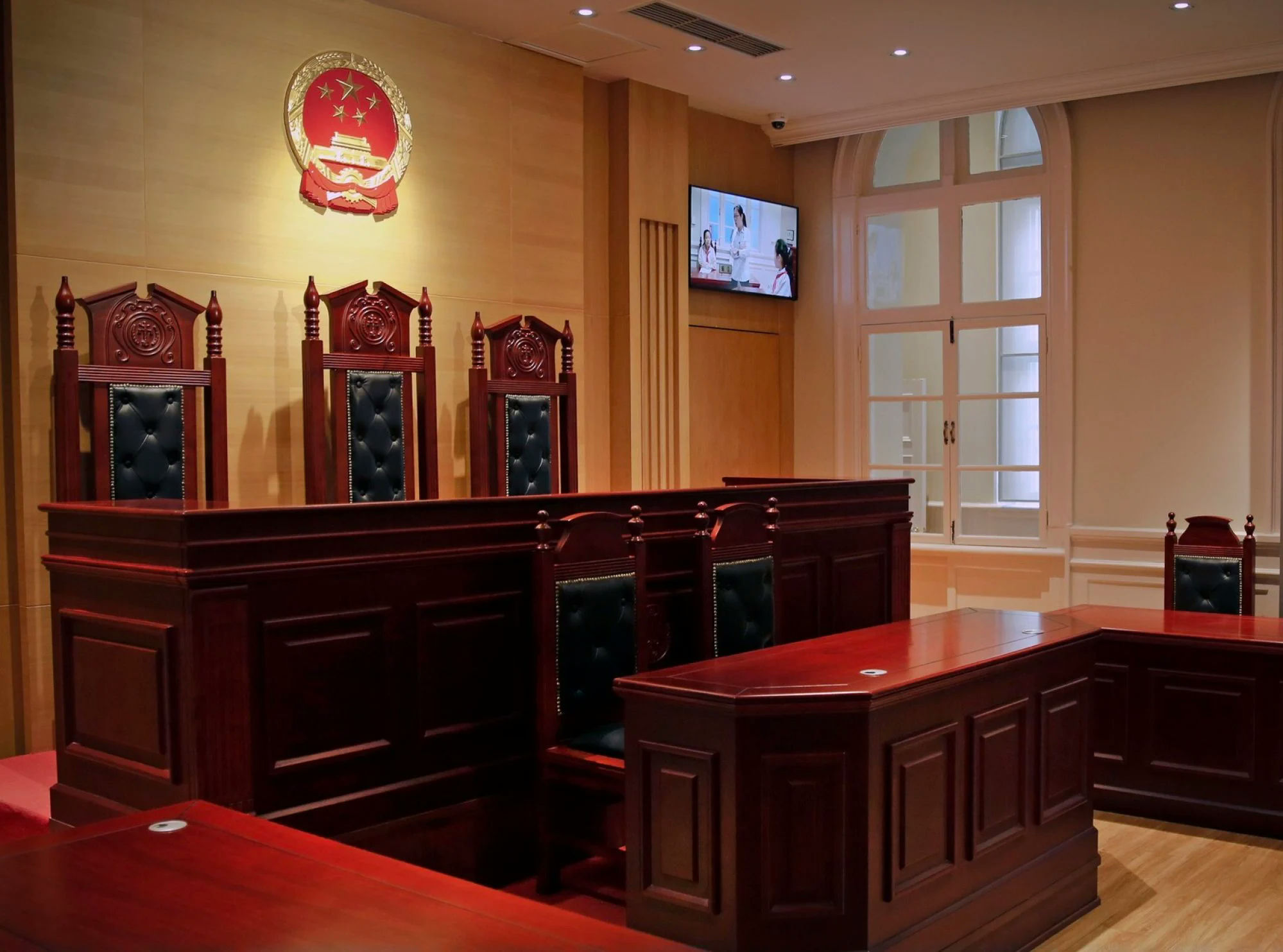
Left with no other option, Xiaohui filed a lawsuit against his father. In response, the father pushed back against the claim and even alleged that the boy’s mother had encouraged him to pursue the case.
During the legal proceedings, the court ruled that the money legally belonged to Xiaohui as his personal property. By withdrawing and using the funds without permission, the father despite being the child’s legal guardian had violated his son’s property rights.
The court ultimately ordered the father to repay the full 82,750 yuan, including both the principal and accrued interest.
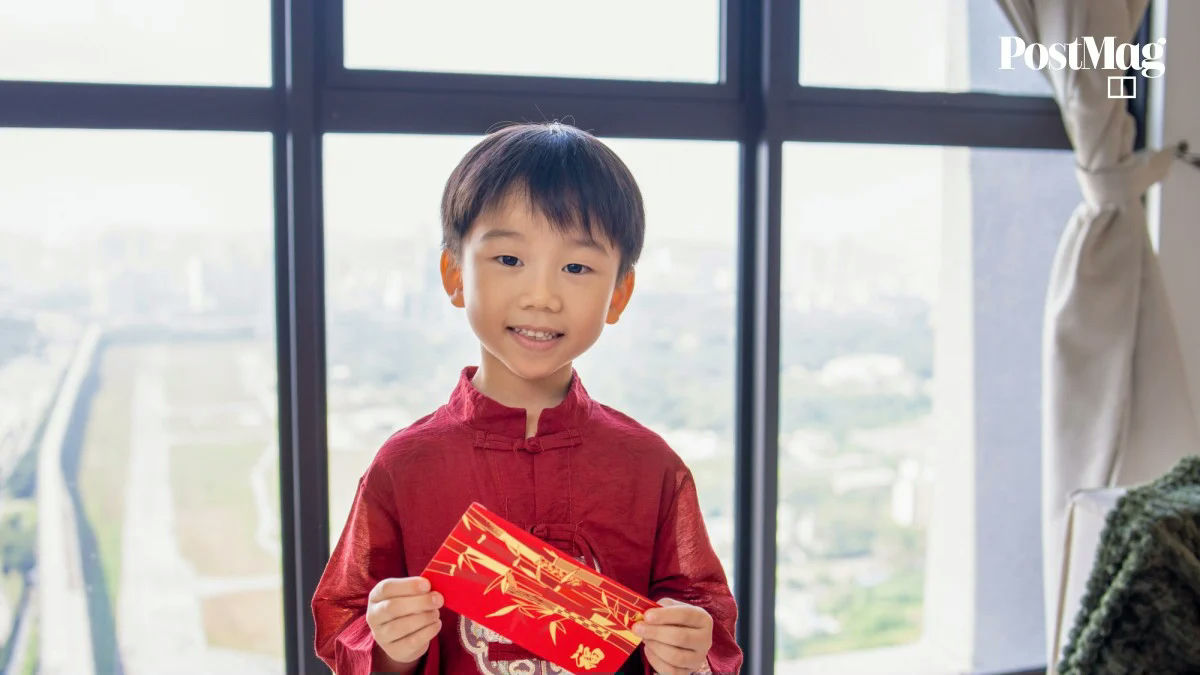
In China, during the Lunar New Year, children and even unmarried adults traditionally receive red envelopes containing cash as a symbol of good fortune and blessings for the coming year. However, parents often keep the money for various reasons, such as offsetting the red envelopes they give to others or preventing their children from spending it on games and unnecessary purchases.
Under China’s Civil Code, money gifted during holidays is considered a form of personal gift and legally belongs to the child. Children under the age of eight are not permitted to independently manage or use such funds, while those over eight may use the money for age-appropriate expenses, including school supplies, small toys, and activities.
As legal guardians, parents are obligated to protect their minor children’s property and may manage or safeguard red envelope money in the child’s best interests. However, they do not have the right to confiscate or use the funds for their own personal expenses.
Sources: South China Morning Post
You must be logged in to post a comment.