

There has never been such an extraordinary spectacle. For just a 60-minute concert, the heart of South Korea—Gwanghwamun—was practically brought to a standstill.
While the grand return of BTS as a full group after 3 years and 5 months of military hiatus served as justification, it also came with undeniable inconvenience for countless citizens and scenes that drew criticism.
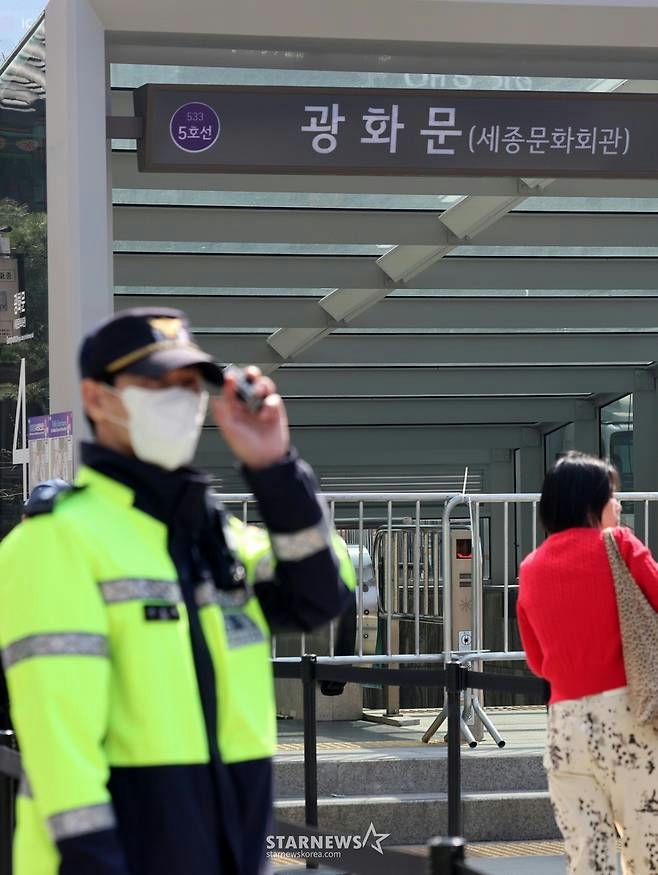
Held at Gwanghwamun Square on the evening of March 21st, the showcase celebrating BTS’s fifth full-length album ARIRANG, titled BTS THE COMEBACK LIVE | ARIRANG, was chaotic even before it began.
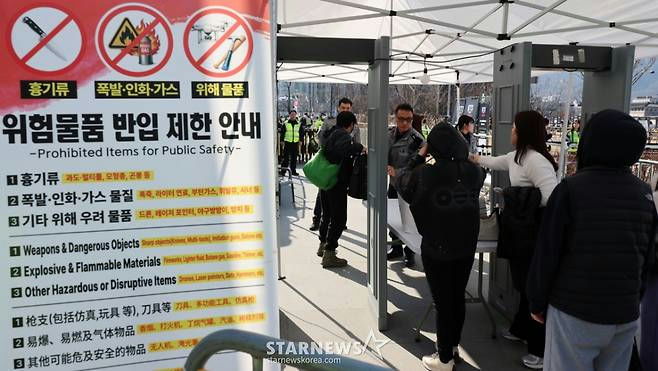
Anticipating massive crowds, the Seoul Metropolitan Government enforced strict measures. Major nearby subway stations—including Gwanghwamun Station, City Hall Station, and Gyeongbokgung Station—were ordered to bypass stops. Roads were closed, and access to 31 nearby buildings was restricted. Even ordinary pedestrians passing through the area had to go through airport-level security, including metal detectors and thorough bag checks. As a result, many unrelated citizens found themselves stuck and frustrated.

The scene on-site was equally chaotic. Alongside the passionate global ARMY fans who traveled from around the world, illegal street vendors flooded the area hoping to profit. YouTubers chasing viral views and even individuals using loudspeakers for religious preaching disrupted the already tense atmosphere, further deteriorating order in the square.

Adding to the controversy was the discrepancy in attendance figures. Police unofficially estimated around 42,000 attendees, while BTS’s agency claimed approximately 104,000 people were present, citing combined internal and external data. The stark difference sparked debate over inflated numbers.

At this point, labeling the event as an “over-the-top public nuisance” wouldn’t have seemed unreasonable.
However, the moment the stage lights illuminated Gwanghwamun Square and all seven members appeared, the frustration and concerns filling the air disappeared almost instantly.
Performing on a cube-shaped stage with 50 dancers, BTS delivered a breathtaking opening against the backdrop of Gwanghwamun and Gyeongbokgung Palace. Their outfits, inspired by Joseon-era military armor with a modern twist, amplified both Korean aesthetics and their dynamic performance, creating a majestic visual spectacle.

What stood out even more was the setlist. Instead of relying heavily on their global mega-hits, BTS boldly filled 8 out of 12 songs with tracks from their new album ARIRANG, showcasing confidence in their music and performance quality.

During the encore performance of Mikrokosmos, when starlight spread across Gwanghwamun and formed the Big Dipper above the audience, the earlier chaos and inconvenience that had shut down central Seoul for an hour suddenly felt justified.
Despite the noise, confusion, and criticism, BTS ultimately proved their worth with nothing but their stage and microphones. Their overwhelming scale and artistry once again demonstrated why they remain at the top—capable of silencing even the harshest controversies with their name alone.
Sources: Daum
You must be logged in to post a comment.