
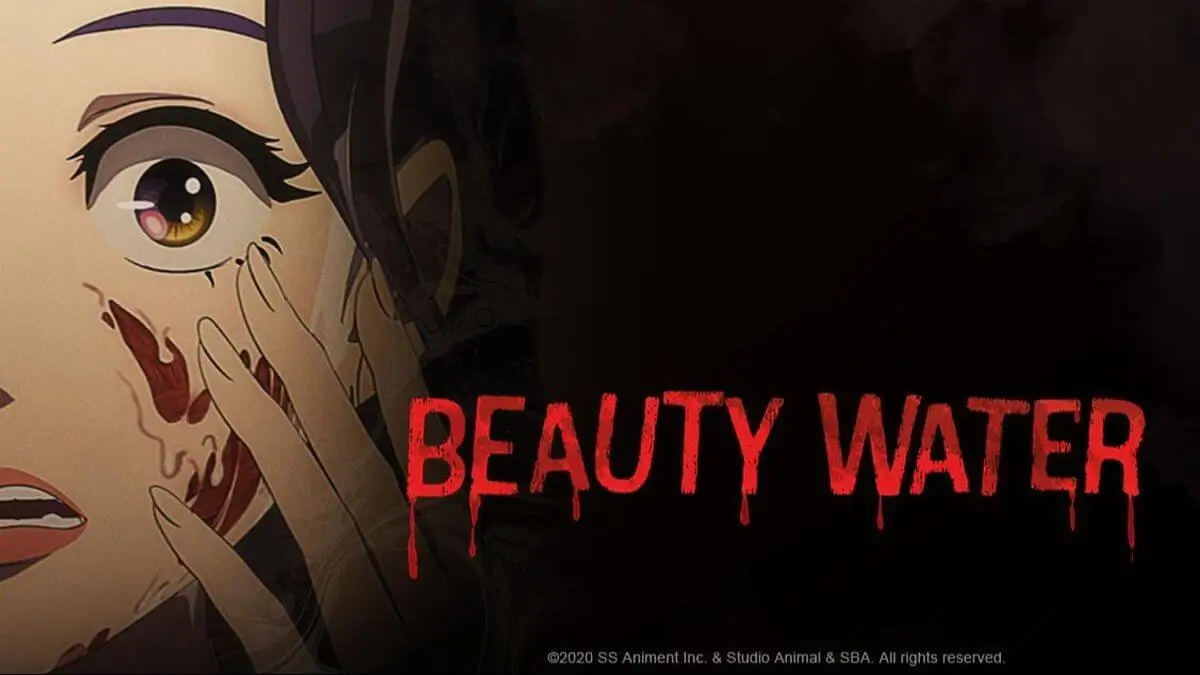
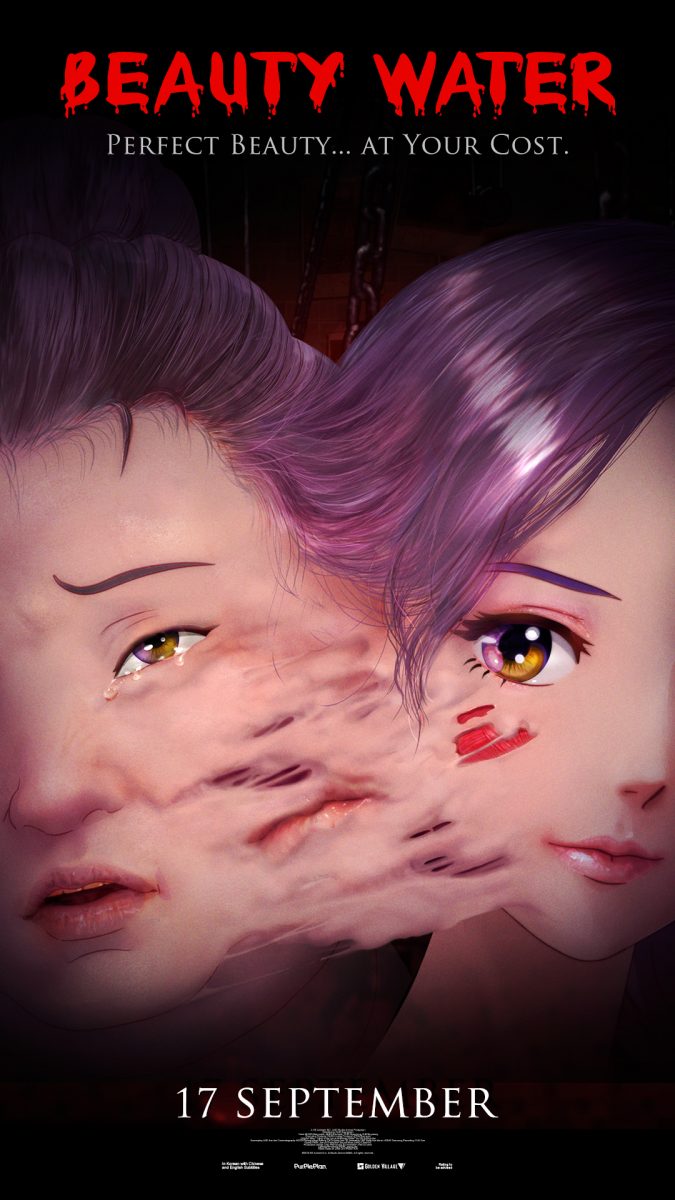
In South Korea, where beauty is not merely an advantage but a societal standard, the animated horror film Beauty Water (2020) incisively portrays the tragedy of a society obsessed with physical appearance.
The film hits hard at the notion that being beautiful means having it all: “A society that fails to respect differences will stifle the potential and ideals of each individual.”
Plot Overview: A Transformative Journey of Beauty and Identity
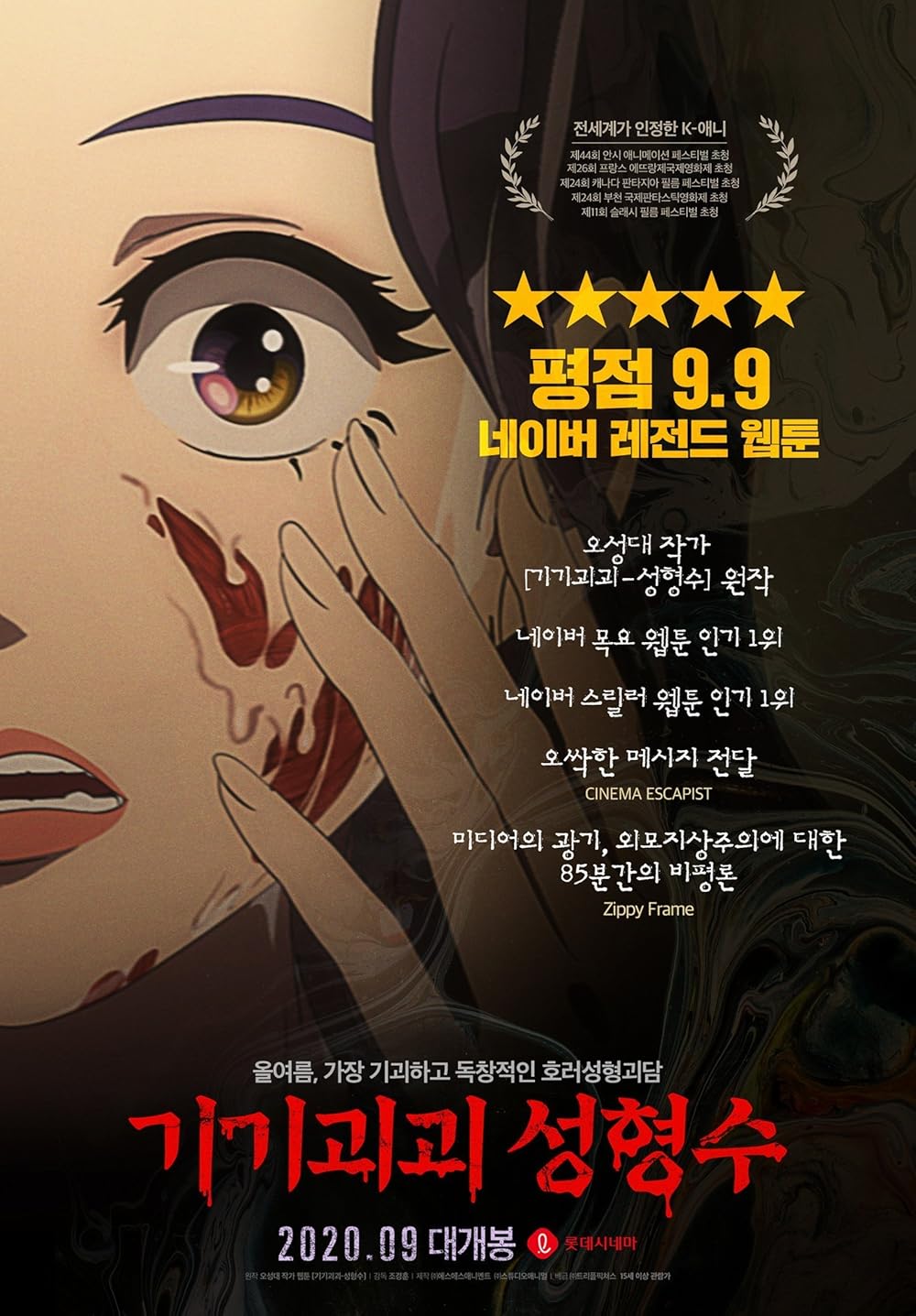
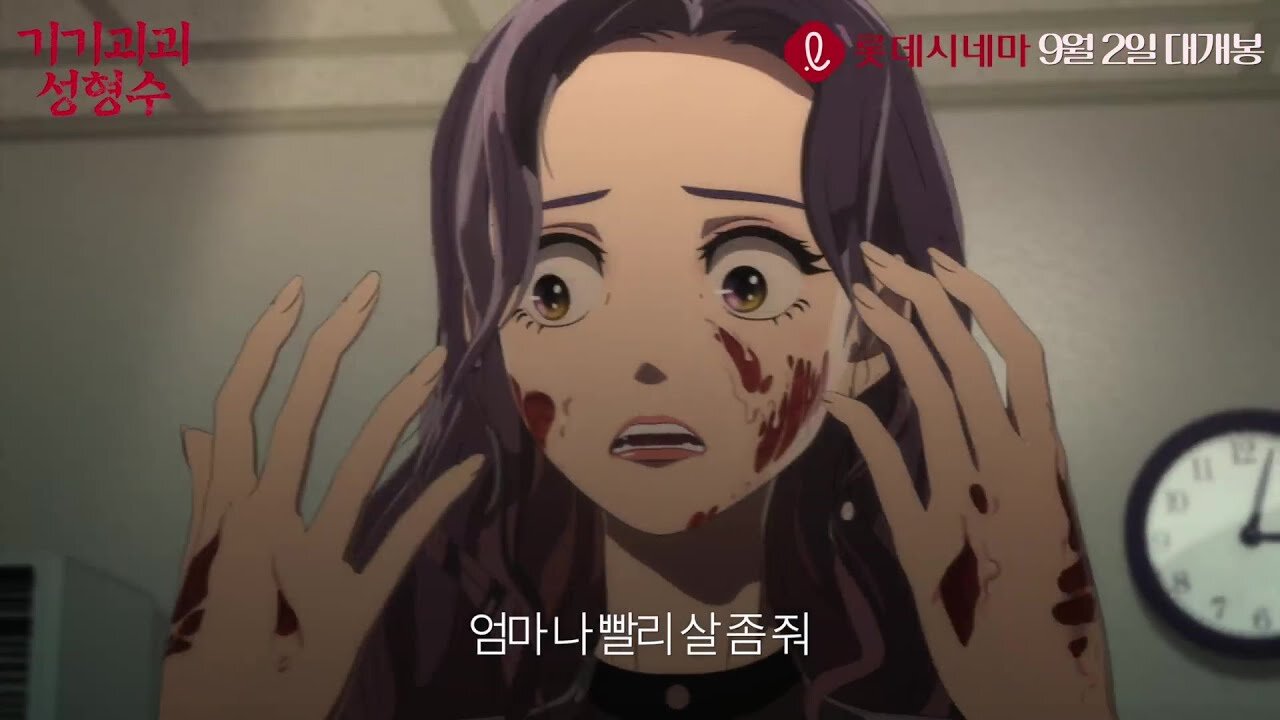
Beauty Water follows Yae-ji, a makeup artist shunned for her overweight appearance. She discovers a miraculous “beauty water” that allows her to reshape her face and body at will. Her transformation brings newfound recognition, love, and success. But as she delves deeper into this world, she begins to lose herself—both physically and spiritually.
The film raises a haunting question: “Is beauty truly empowering, or is it a curse in a society obsessed with aesthetics?”
Beauty Pressure and the Commodification of Appearance
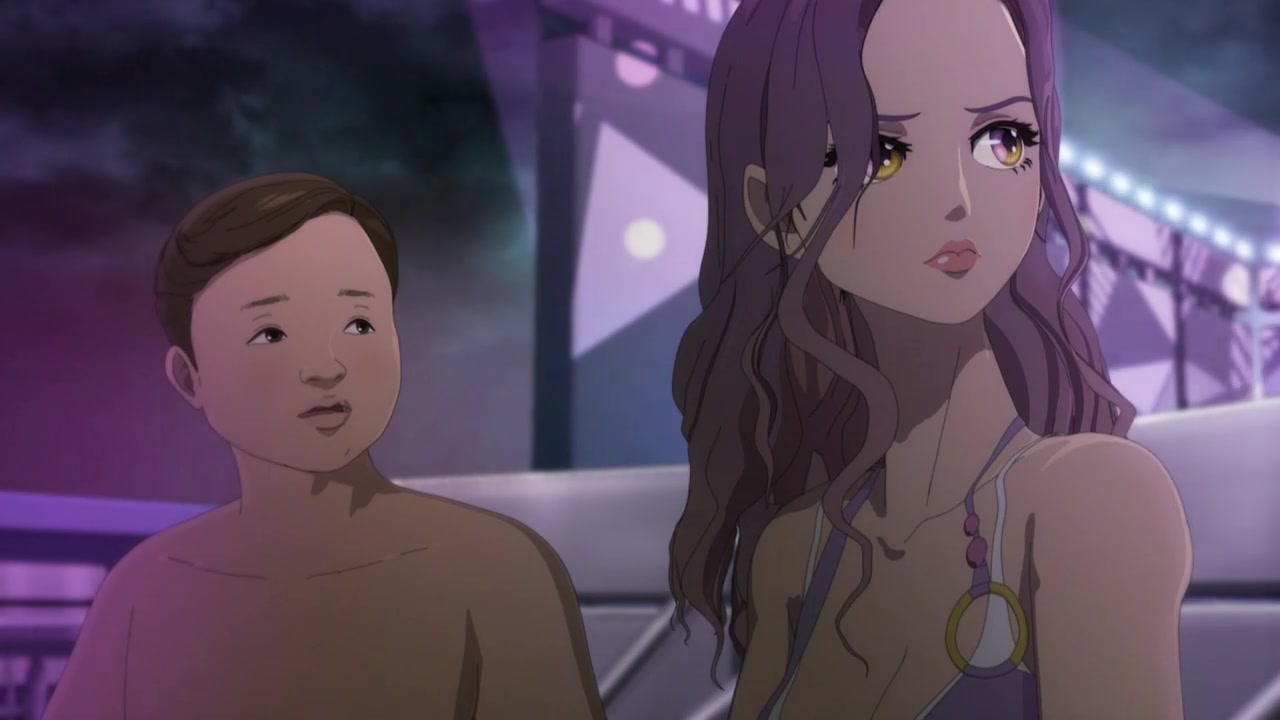
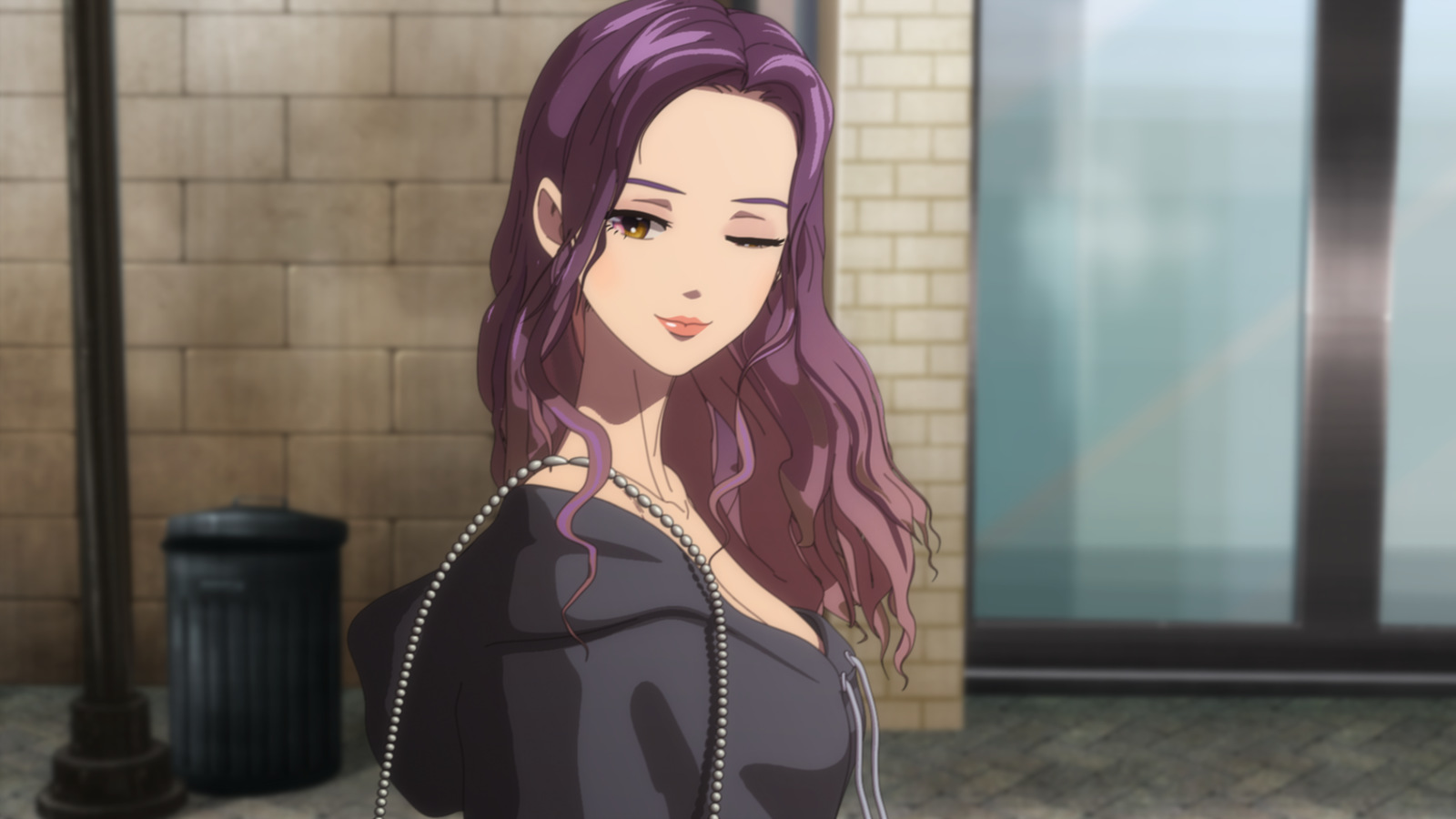
Beyond societal commentary, Beauty Water criticizes the commodification of beauty where every individual becomes a self-managed investment project. After Yae-ji’s makeover, she is immediately approached by talent agents, invited to elite blind dates, and indulges in luxury shopping. Yet none of it reflects her true self, it’s merely the version society deems acceptable.
Here, beauty is no longer a choice—it’s an unspoken demand, a prerequisite to be “socially included.” The film warns that when beauty becomes currency, humanity gets lost in the transaction. When people reshape themselves to meet imposed expectations, they risk losing the ability to love their true selves.
Chi-hoon: A Symbol of Internalized Hatred
Chi-hoon is a deeply symbolic character. Once rejected for his unattractive looks, he doesn’t seek healing, he seeks revenge. Transitioning using “beauty water” was only the first step in his grotesque pursuit of controlling and destroying what once humiliated him: beautiful women.
His distorted psyche reveals a deeper issue: when society fails to accept diversity, it breeds individuals who are emotionally and morally disfigured. Chi-hoon is a “defective” product of the system, and a cautionary outcome if we continue to value appearance over integrity.
The Loneliness Behind the Pursuit of Beauty
Despite her new look, Yae-ji is never truly happy. Instead, she’s plagued with fear: fear of being exposed, fear of not being perfect, fear that people will see through her facade. She even manipulates her parents, demanding excessive sacrifices just to maintain her image.
But the real tragedy lies in Yae-ji’s inability to love herself. From a young age, social standards of beauty were drilled into her mind, leaving her convinced she was inherently flawed.
“The mirror doesn’t show you the truth—it only reflects what you believe to be true.”
Final Thoughts: Beautified or Dehumanized?
Beauty Water terrifies not because of its gore, but because of the harsh reality it reveals. It’s not about magical water—it’s about a society that pressures people into transforming themselves at all costs. In such a world, monsters aren’t born—they’re made, shaped by societal cruelty.
The film ends with Yae-ji’s eyes, her only original feature, being taken away. A brutal metaphor: in striving to be more beautiful, one might lose the most important thing—their authentic self.
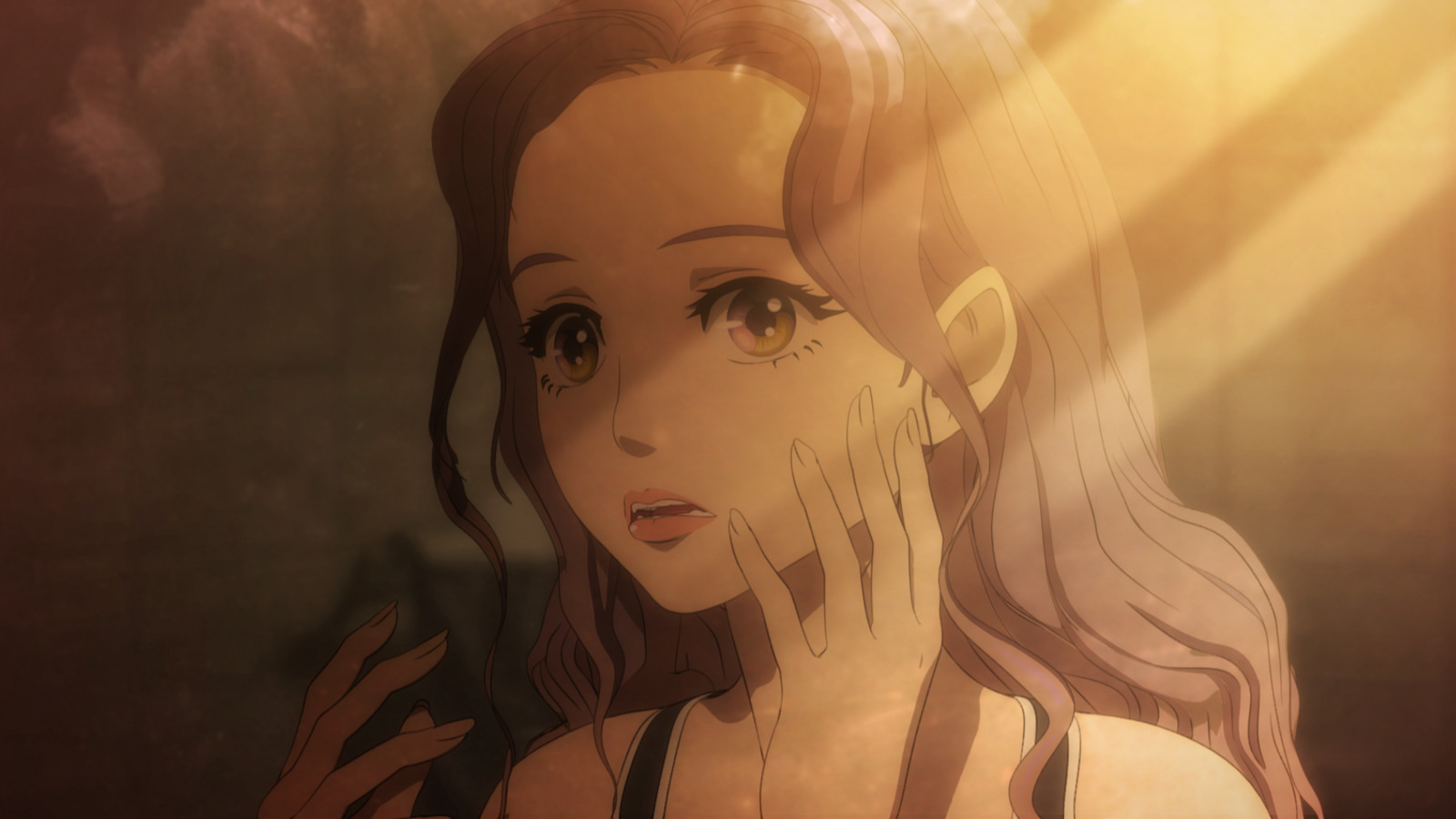
Beauty Water s a thought-provoking animated film that explores the dark side of beauty standards and their impact on mental health and self-image. By combining elements of horror with poignant social commentary, the film forces viewers to reflect on the cost of conforming to societal ideals. It asks whether the pursuit of physical beauty is worth sacrificing one’s identity and humanity in the process.
You must be logged in to post a comment.