
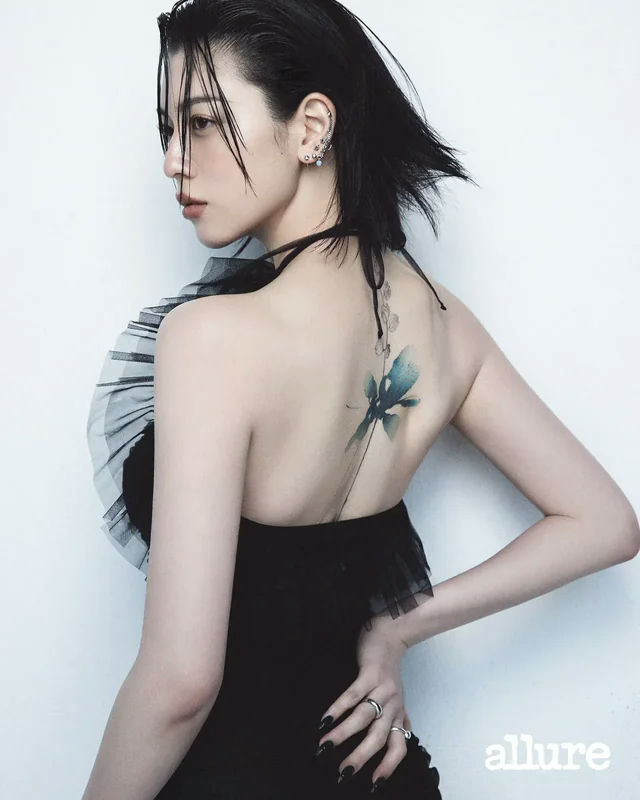
Japanese actress Ayaka Miyoshi is at the center of heated debate after revealing a striking full-back tattoo, drawing mixed reactions from the public and reigniting discussions about image standards in the entertainment industry.
Miyoshi recently shared photos on social media wearing a backless black dress, unveiling a large blue floral tattoo that stretches from the nape of her neck down to her lower back.
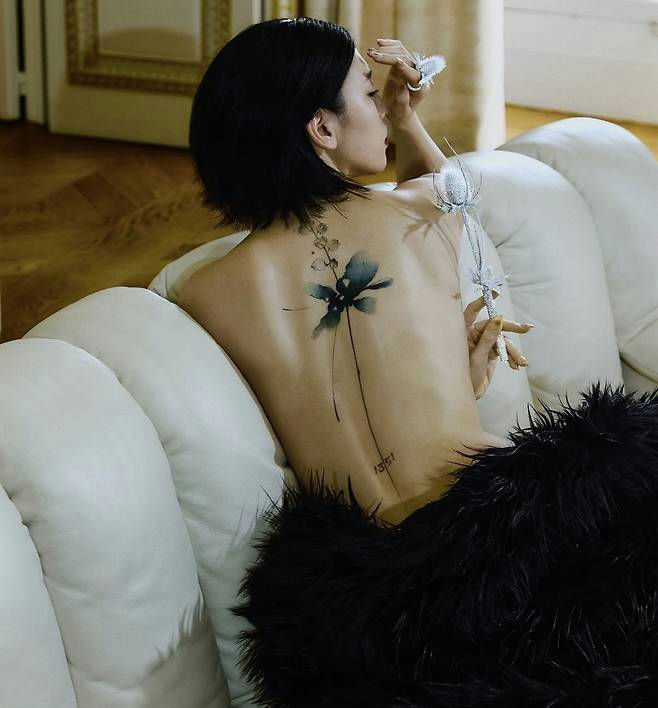
While many fans praised the design as “beautiful” and “artistic,” the reveal also triggered a wave of criticism particularly in Japan, where tattoos can still carry social stigma.
Comments ranged from concerns about her career to personal judgments, including:
- It’s really cool.
- So beautiful.
- Tattoos have many disadvantages when living in Japan.
- There are people like this sometimes, but I’ve never seen anyone with tattoos become hugely successful afterward.
- Strong people engrave things in their hearts, not on their bodies.
- This will definitely limit her activities in the Japanese entertainment industry.
- It feels like she’s going through a phase (or seems lost).
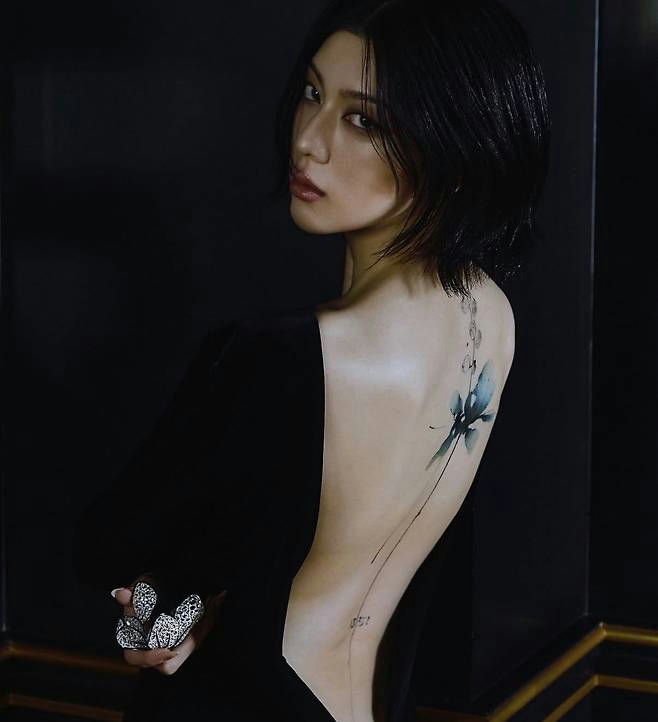
In response, Miyoshi addressed the controversy through interviews, explaining that the tattoo symbolizes a new chapter in her life as she turns 30. “When I thought about starting a new phase in life, I felt drawn to getting a tattoo. It represents my decision to live true to myself,” she shared.
She also revealed that the decision was not impulsive, noting that she discussed it with her agency for 2–3 years before proceeding.
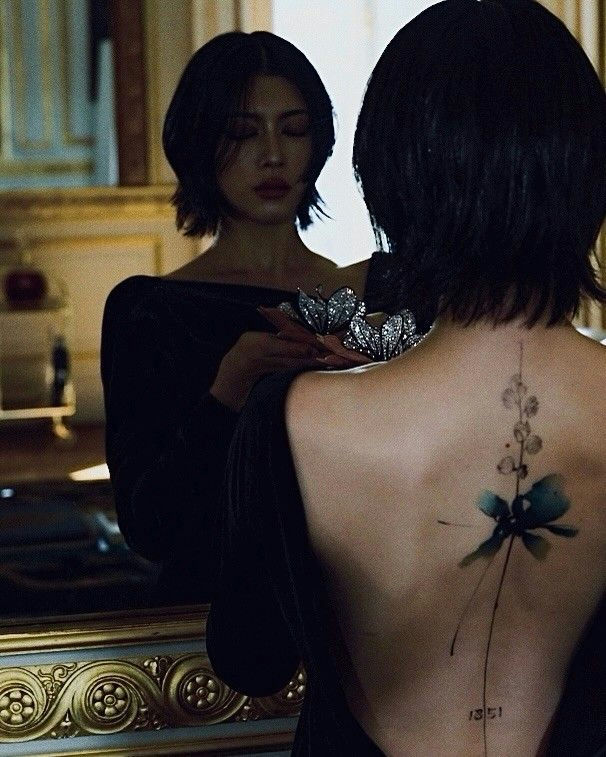
The artwork, created by Chinese tattoo artist Chen Jie, features a delicate ink-wash style. It includes symbolic elements such as:
- A blooming hollyhock (her birth flower for June 18) near her heart
- The number “1351” near her waist, representing her birth time
Miyoshi’s situation highlights the ongoing tension between traditional norms and modern self-expression in Japan’s entertainment industry.
Unlike in many Western markets, tattoos in Japan are often associated with negative stereotypes, which can impact public perception and professional opportunities especially for actors.
Following the surge of online reactions, Miyoshi expressed her feelings candidly: “I was surprised by how big the response was. It’s not easy to share everything about the life I’ve lived and the wounds I carry.” She encouraged the public to read her full interview to better understand her perspective, emphasizing that her decision was deeply personal.

Miyoshi gained international recognition through the Netflix series Alice in Borderland, and continues to expand her global presence. She is set to appear in upcoming projects, including the film Kingdom: Clash of Souls and the Korean production Tazza: The Devil’s Whisper (working title).
Korean audiences may also recognize her from her appearance alongside Sung Si Kyung on a Netflix food show, where she impressed viewers with her fluent Korean.
While the debate continues, Miyoshi’s tattoo represents more than a visual statement it reflects a broader shift in how celebrities navigate identity, image, and individuality.
Sources: Daum | 스포츠조선
You must be logged in to post a comment.