
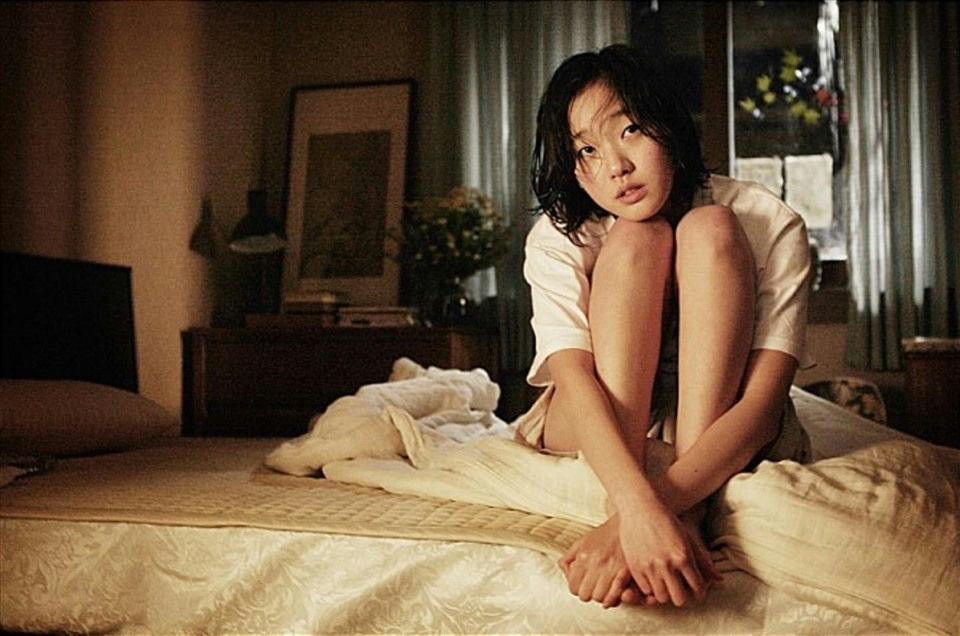
Asian cinema has long been praised for its bold storytelling, but some films have pushed boundaries so far that they ignited nationwide debates. Whether criticized for graphic intimacy, controversial subject matter, or challenging social norms, these movies divided audiences while cementing their place in film history.
Here are five of the most controversial Asian 18+ movies that continue to spark discussion years after their release.
1. Lust, Caution (2007)
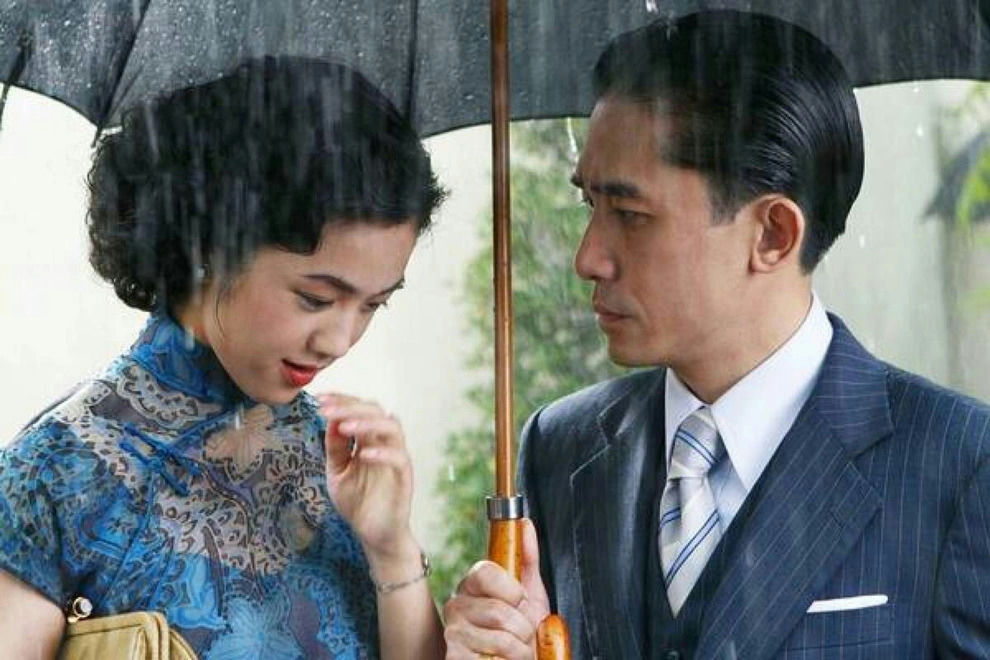
Directed by Academy Award-winning filmmaker Ang Lee, Lust, Caution is set in Japanese-occupied Shanghai during World War II. The story follows Wong Chia Chi (Tang Wei), a young patriot assigned to seduce and assassinate intelligence officer Mr. Yee (Tony Leung Chiu-wai).
The film quickly became one of the most controversial Chinese-language movies ever made due to its lengthy and highly realistic intimate scenes. Ang Lee maintained that these sequences were essential to portraying the psychological conflict between the protagonists, but many viewers argued they crossed the line.
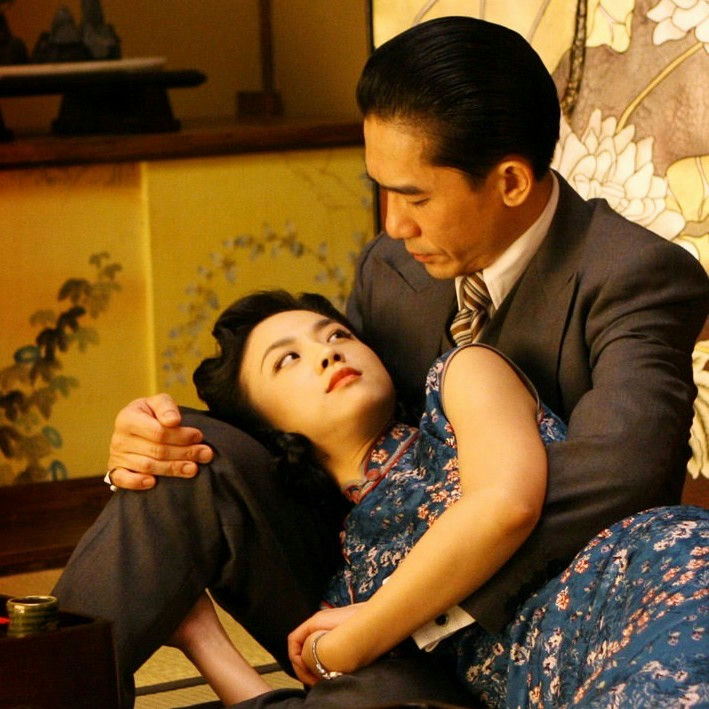
The backlash was especially intense in mainland China, where several scenes were removed before theatrical release. The controversy also had a significant impact on Tang Wei’s career, as she reportedly faced restrictions on media appearances and advertising opportunities for a period following the film’s release.
2. Queen Woo
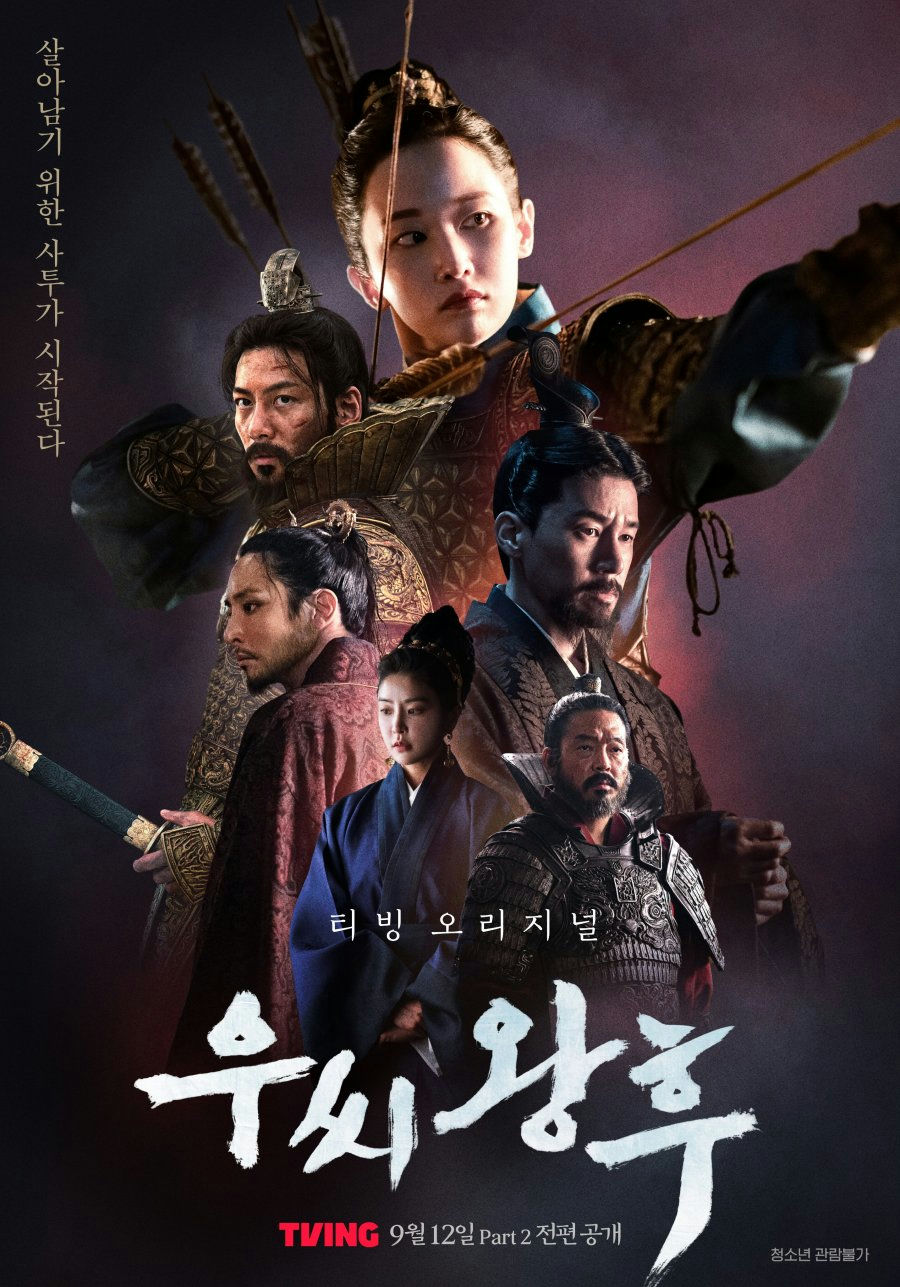
Set during the Goguryeo era, Queen Woo follows Queen Woo Hee (Jeon Jong Seo) as she races against time to secure the throne after King Go Nam Mu’s sudden death.
Although marketed as a historical political drama, the series generated widespread criticism in South Korea for featuring frequent nude and intimate scenes. Many viewers felt the adult content overshadowed the show’s political intrigue and historical narrative.
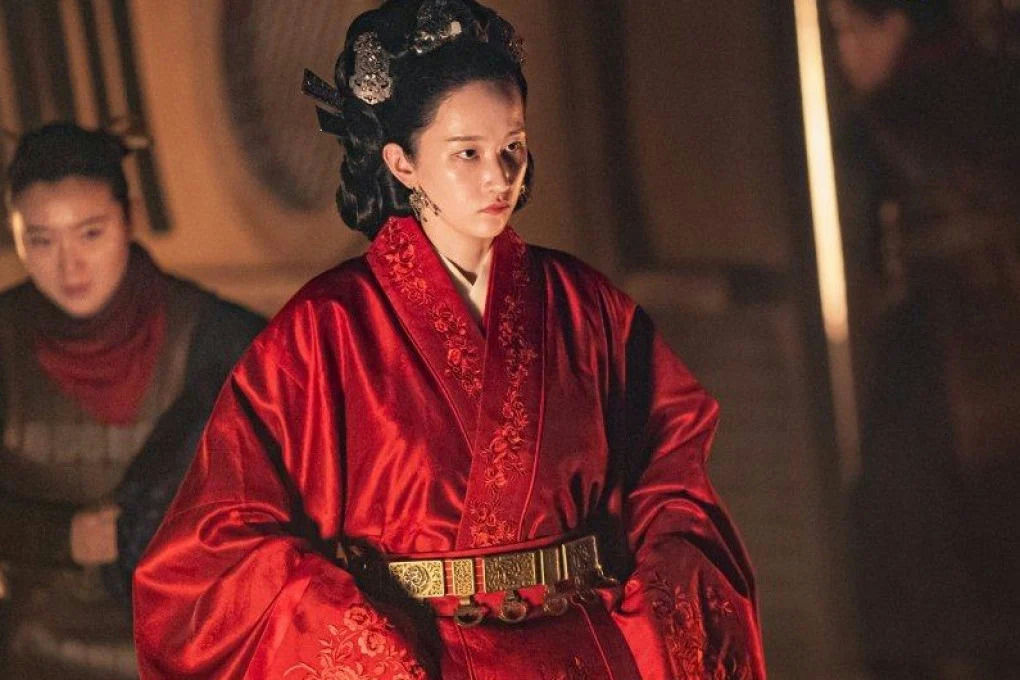
Critics also questioned whether the production relied too heavily on explicit scenes to attract attention, while supporters argued that the mature content reflected the harsh realities of the period depicted.
3. In the Realm of the Senses (1976)
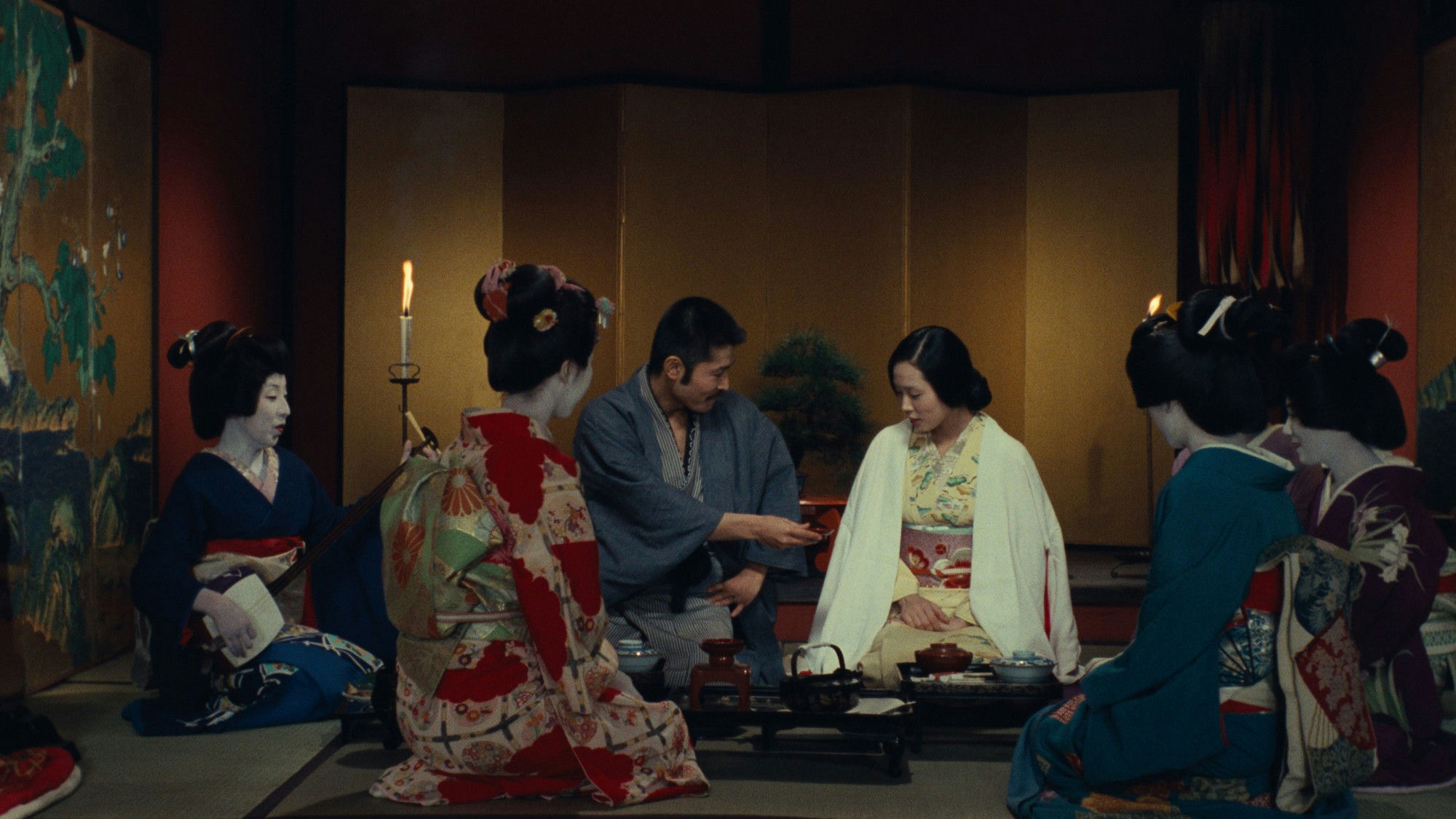
Directed by Nagisa Oshima, In the Realm of the Senses is based on the infamous real-life story of Sada Abe. It explores the obsessive relationship between former prostitute Sada Abe (Eiko Matsuda) and innkeeper Kichizo Ishida (Tatsuya Fuji).
The film shocked audiences with its explicit, unsimulated depictions of sexuality, something virtually unprecedented in Japanese cinema at the time. It faced censorship or outright bans in multiple countries, while Oshima himself encountered legal challenges over obscenity laws.
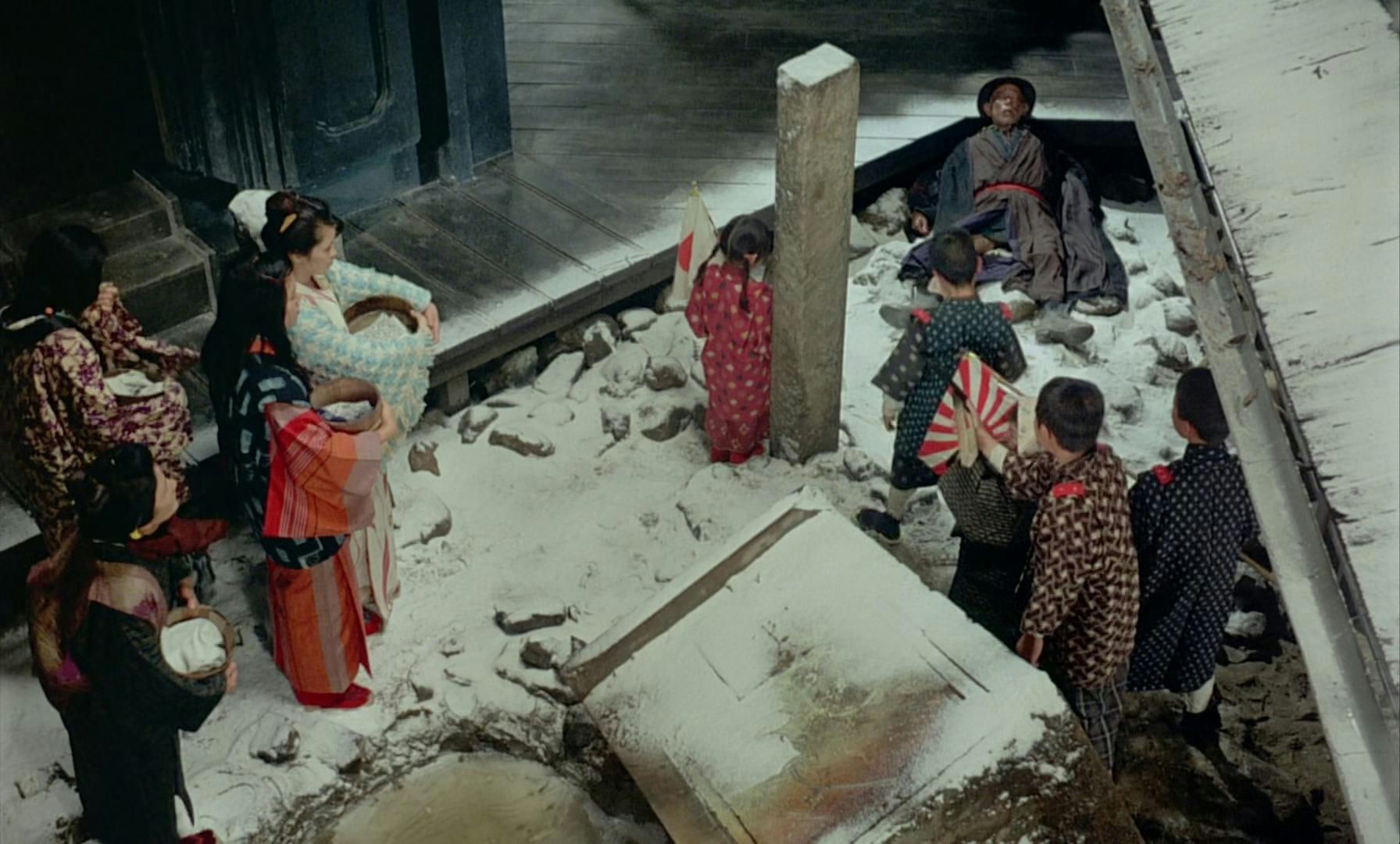
The controversy also affected the careers of its leading actors. Eiko Matsuda struggled to secure acting opportunities after the film’s release, while Tatsuya Fuji experienced a temporary career slowdown before eventually returning to prominence.
4. A Muse (Eungyo, 2012)
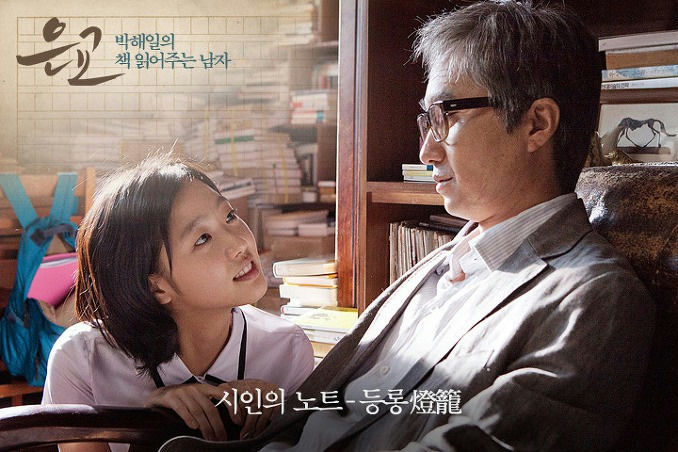
Adapted from the bestselling novel Eungyo, A Muse centers on an aging poet who becomes emotionally fascinated with a 17-year-old high school student, creating a complicated love triangle involving his young assistant.
The film drew criticism for its sensitive subject matter and significant age gap between the characters. While many viewers appreciated its exploration of youth, aging, artistic inspiration, and loneliness, others found the premise deeply uncomfortable.
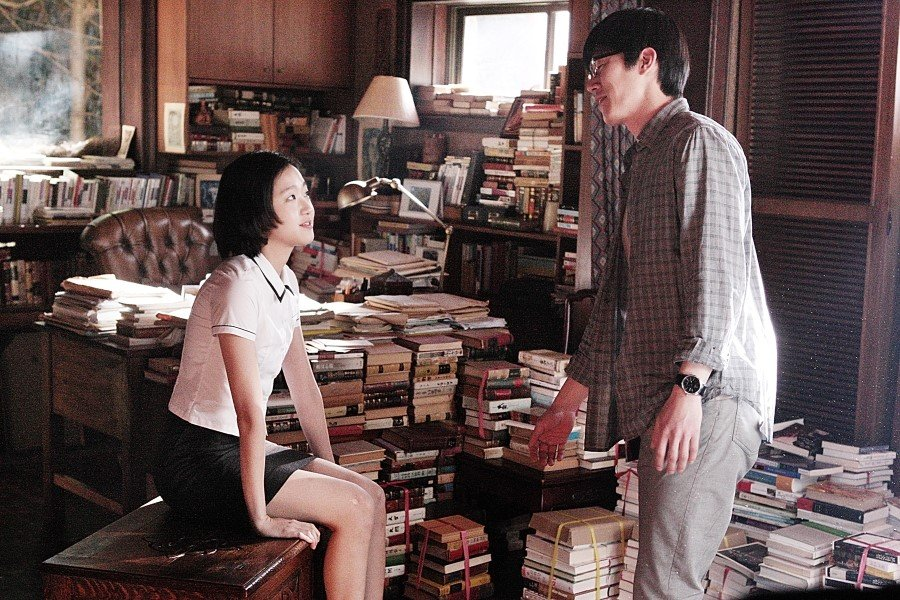
The movie also marked Kim Go Eun’s acting debut. Her fearless performance received widespread critical acclaim, although some questioned whether such a provocative role was appropriate for a newcomer.
5. It Feels So Good (2000)
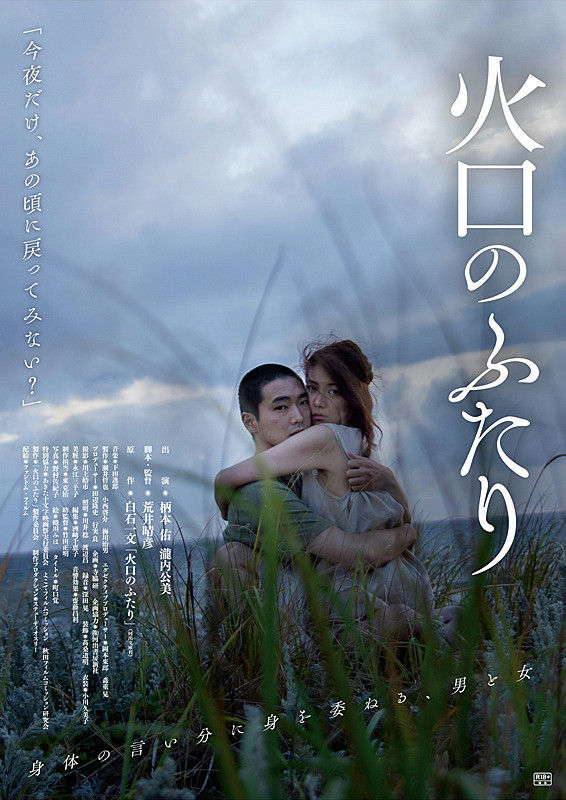
This Japanese romantic drama tells the story of Yoshie, a married woman whose stagnant relationship leads her to reconnect with a former lover, reigniting an intense affair.
The film attracted controversy for its frank portrayal of sexuality and extended intimate scenes. Beyond its explicit content, it was also criticized for appearing to romanticize infidelity while placing greater emphasis on physical desire than on the moral consequences of the affair.

However, many film critics interpreted the movie as a thoughtful exploration of emotional emptiness, marital dissatisfaction, and the search for human connection in modern society.
Controversy has always been part of cinema, particularly when filmmakers tackle difficult subjects through explicit storytelling. While these five Asian 18+ movies generated intense criticism upon release, they also sparked conversations about censorship, artistic freedom, and the role of mature content in film.
Whether viewed as groundbreaking works of art or films that went too far, Lust, Caution, Queen Woo, In the Realm of the Senses, A Muse, and It Feels So Good remain among the most talked-about adult-oriented productions in Asian cinema.
Sources: k14
You must be logged in to post a comment.