
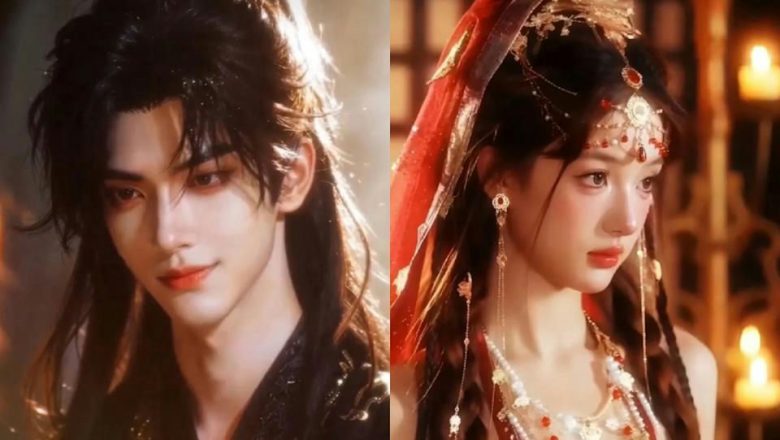
China’s drama industry is entering a new era as artificial intelligence rapidly expands its presence, sparking intense debate over whether AI could soon replace human actors—especially in supporting roles.
Recent reports circulating online claim that future productions may no longer require real actors beyond lead roles, with rumors suggesting that “all roles below the second male lead could be replaced by AI.” While the claim remains unverified, it has fueled widespread anxiety across the entertainment sector.
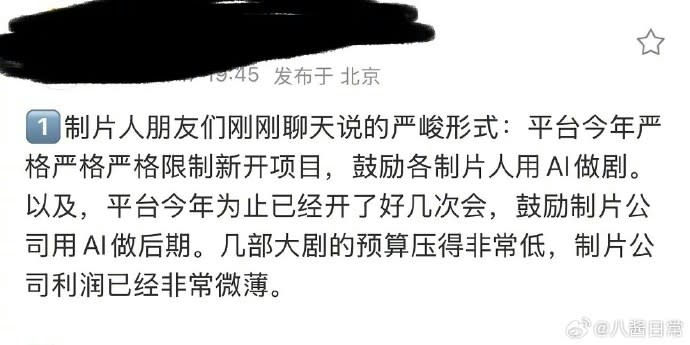
The discussion gained further traction following statements made at a major television production industry conference on March 13. Officials highlighted how next-generation AI tools are already reshaping workflows, with the concept of a “one-person production team” becoming increasingly realistic. Industry authorities emphasized that actors must strengthen their unique value and remain “irreplaceable” in order to survive this technological shift.
At the same event, investor Wang Ran—husband of actress Tong Yao—offered a deeper analysis of the industry’s transformation. He noted that AI could significantly shorten production cycles, which may lead to the collapse of traditional high-salary models for actors. Instead, future earnings could shift toward backend revenue streams such as image licensing and IP-based profit sharing.
The impact is expected to be most severe for mid-tier actors, extras, and stunt doubles, who face the highest risk of being replaced by AI-generated performers.
Data further underscores the scale of this shift. According to DataEye, AI-generated short dramas have surged dramatically, accounting for 38% of the market in January 2026, up from just 7% the previous year. The cost difference is equally striking: while traditional short dramas can cost between 1.5 to 3 million yuan, AI productions can be completed for under 200,000 yuan. Some teams have even managed to produce entire projects with just three people in five days.
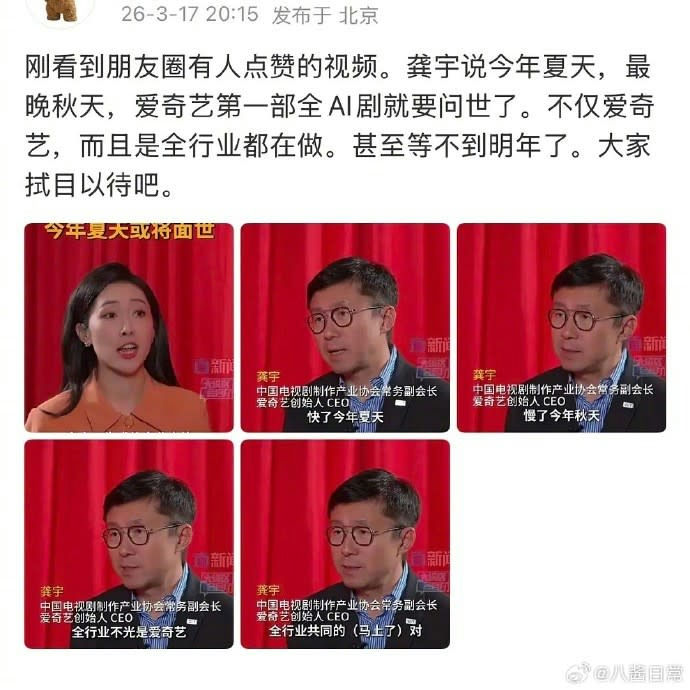
These advantages in cost and efficiency have made AI an increasingly attractive option for platforms like Tencent and iQIYI, especially as the industry faces what many describe as a “content winter,” with declining drama production and tightening budgets.
However, not everyone is convinced that AI can fully replace human actors. Veteran producer Yu Zheng addressed the controversy directly on social media, acknowledging that while AI-driven productions are indeed a growing trend, they cannot replicate the emotional connection audiences have with real performers.
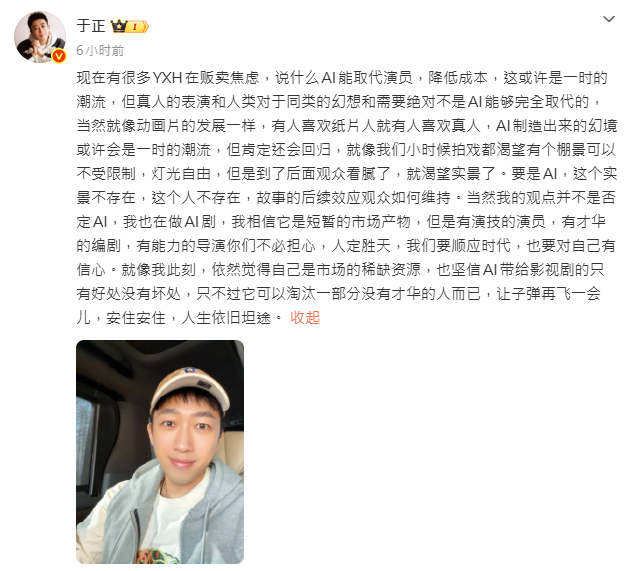
Yu Zheng stated that he is open to experimenting with AI dramas but believes the technology may represent only a temporary wave. In his view, the market will ultimately return to valuing authentic human performances. He also reassured industry professionals, emphasizing that talented actors, writers, and directors should not panic but instead continue refining their craft to stay competitive.
As AI continues to evolve, the Chinese drama industry stands at a crossroads. While technology promises efficiency and cost reduction, the enduring appeal of human storytelling may prove far more difficult to replace.
Sources: Netizenbuzz
You must be logged in to post a comment.