

Every summer festival season seems to bring the same recurring controversy: provocative stage performances. This year has been no different. The discussion surrounding BIBI and J.Y. Park at the popular WATERBOMB festival has ignited heated debate online, with opinions sharply divided over the level of sexual expression and revealing stage costumes.
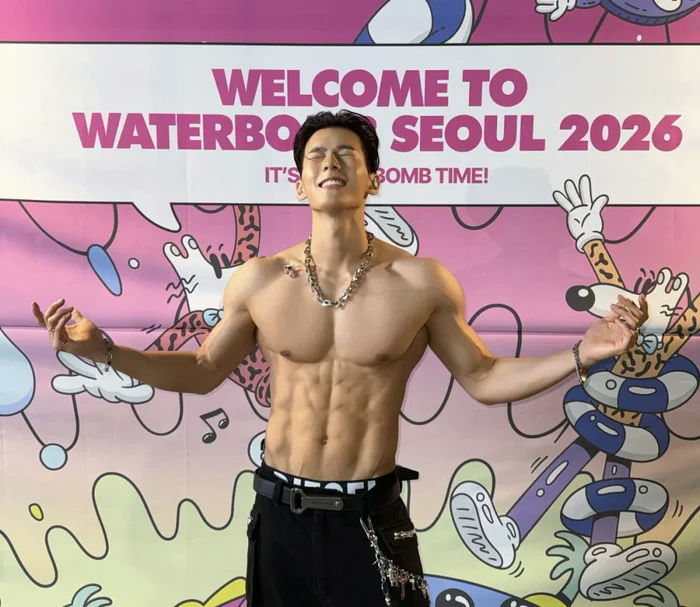
The performances at the center of the controversy were undeniably bold. During WATERBOMB Seoul 2026, held on July 25 at KINTEX in Goyang, BIBI appeared on stage wearing a soaked white jumpsuit, unzipping the front to reveal a bikini underneath while emphasizing her body through suggestive choreography. She also performed a sequence in which she knelt among shirtless male dancers, a moment that quickly spread across social media.

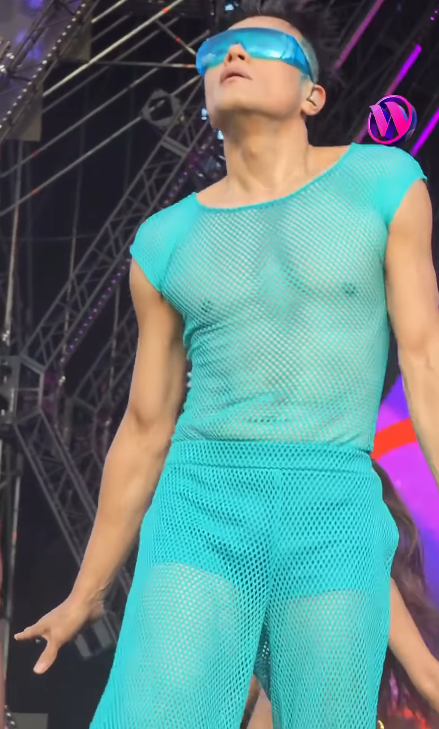
The following day, J.Y. Park took the stage in a mint-colored mesh outfit that revealed much of his physique. During his performance of his signature hit “Elevator”, he performed provocative choreography with a female dancer that many viewers interpreted as mimicking sexual acts, further fueling public discussion.
Supporters argue that such performances fit the identity of WATERBOMB, an event restricted to adults aged 19 and older. Since attendees knowingly purchase tickets for an adults-only festival, they believe performers should be free to express themselves artistically without excessive restrictions. Concert stages, they argue, are an extension of an artist’s creative vision, and provocative performances are part of the festival’s unique appeal.
The real issue, however, begins once those performances leave the concert venue.
Within minutes of the show ending, fan-recorded videos and highlight clips are edited into countless short-form videos and uploaded across platforms such as YouTube Shorts, Instagram Reels, and TikTok. These clips are rapidly pushed by recommendation algorithms, often with little or no effective age restriction. The original music, stage context, and artistic narrative disappear, leaving only a few highly provocative seconds that can easily reach children and teenagers scrolling through their feeds.
This creates serious unintended consequences. As seen in previous years with singer Kwon Eun Bi, whose WATERBOMB performances earned her the nickname “WATERBOMB Goddess”, stage moments intended for adult festival audiences frequently become targets for sexual harassment, explicit comments, and manipulated images once they circulate online without context.


Artists and entertainment companies cannot completely distance themselves from this issue. In today’s music industry, everyone understands that performances are instantly recorded, shared, and viewed worldwide through short-form content. No agency or performer is unaware that their concert footage will eventually reach audiences far beyond the paying attendees.
Yet there is an apparent contradiction. Provocative performances generate enormous online attention and viral engagement, benefiting artists and their agencies. However, when criticism arises over minors being exposed to such content or debates about excessive sexualization emerge, the common response is often that the performance was intended only for an adults-only audience, or that they cannot be held responsible for fan-recorded videos uploaded online.
That argument ignores today’s digital reality. If artists knowingly create performances designed to go viral while understanding they will inevitably be consumed by audiences of all ages, they also share responsibility for considering the broader impact of that content. Hiding behind the “adults-only” label while simultaneously benefiting from mass online exposure reflects a commercial double standard that deserves scrutiny.
Of course, social media platforms also bear significant responsibility. Stronger age verification systems, improved filtering technology, and clearer content distribution guidelines are urgently needed to prevent explicit short-form content from reaching underage users without restriction.
However, before placing all responsibility on technology companies, artists and entertainment agencies should first acknowledge a simple reality: every stage performance today exists not only for the audience inside the venue, but also for millions watching through smartphones around the world. Pursuing increasingly provocative performances under the protection of an “adults-only” label may generate attention, but it also risks eroding the standards expected of content that ultimately becomes part of mainstream public culture.
Sources: Daum
You must be logged in to post a comment.