
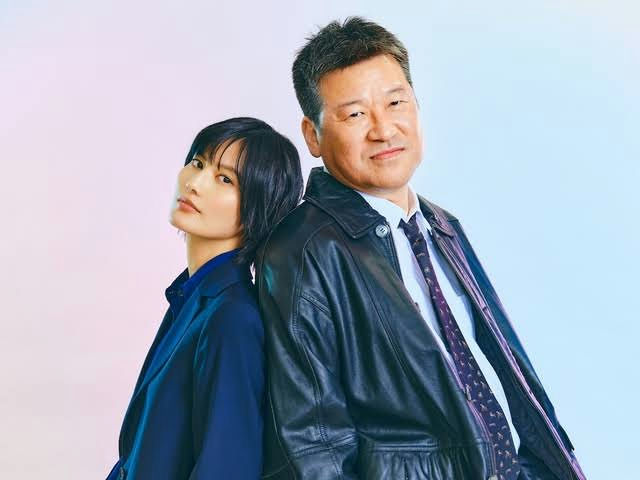
After reports emerged that Hashimoto Ai (Confessions, Little Forest) broke down in tears after allegedly being harassed by a co-star nearly twice her age on set, the controversy quickly spread across Japan. However, rather than directing criticism toward the actor involved, many Japanese netizens have instead targeted the actress herself.
Actor Sato Jiro (57) and actress Hashimoto Ai (30) play a married couple in Fuji TV’s drama Fuufu Beisei Deka. The story follows two detectives who work in the same police department despite an unwritten rule prohibiting married couples from serving in the same unit. To keep their marriage secret from colleagues, the couple continues using their original surnames.
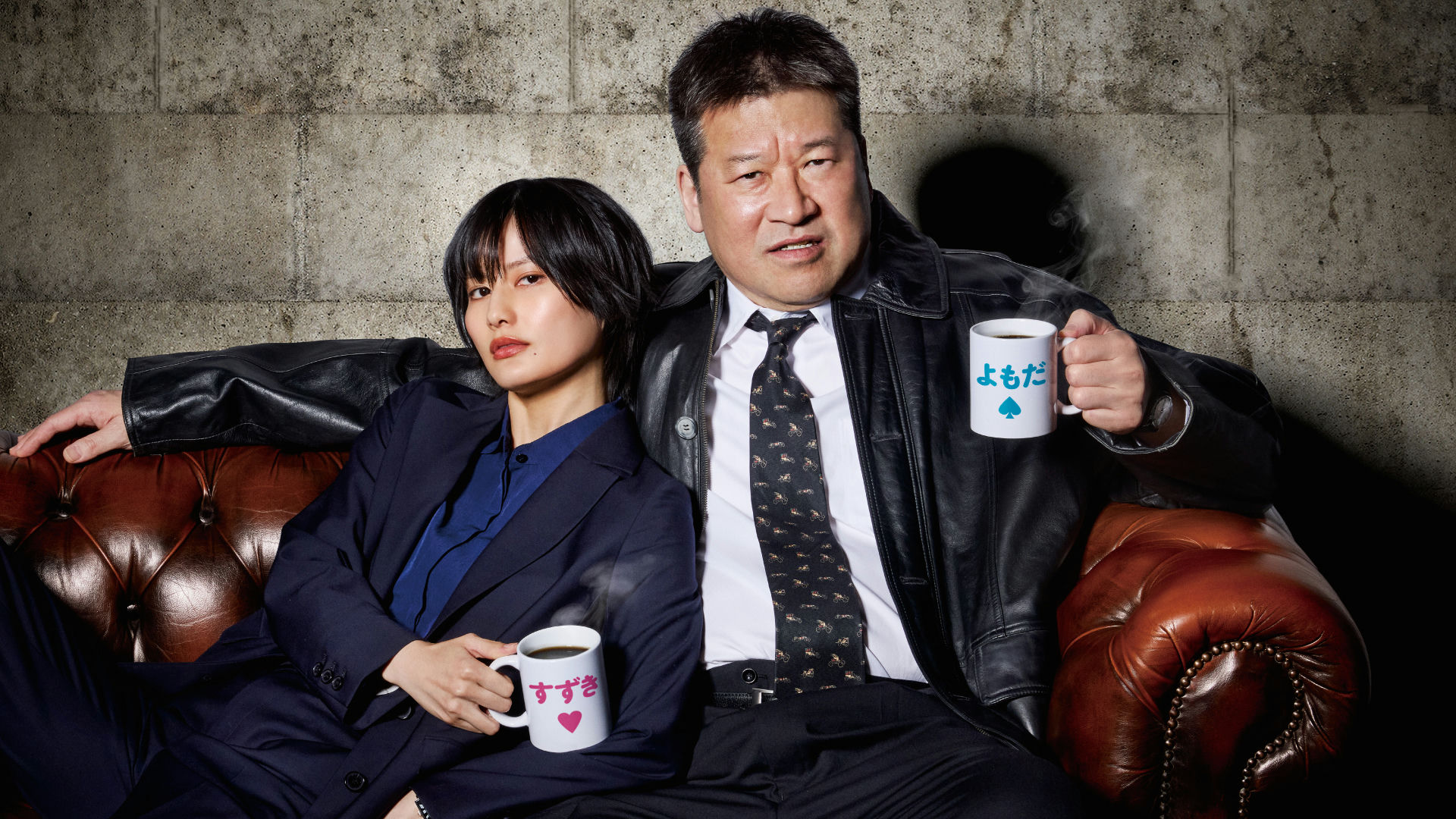
On July 1, weekly magazine Shukan Bunshun published a report claiming that Sato Jiro had harassed Hashimoto Ai during filming. According to the report, the actor touched her chin without permission during a scene. It further alleged that he later entered her dressing room and angrily told her that if she had such restrictions, she should never have accepted the role of his wife and should not become an actress, leaving Hashimoto in tears and emotionally distressed.
However, Sato Jiro’s management agency quickly denied the allegations. While acknowledging that the actor touched Hashimoto’s chin during filming, the company rejected claims that the action constituted harassment.
According to Sato Jiro’s agency, Hashimoto Ai had informed the production team before filming that she wished to limit physical contact due to psychological trauma stemming from previous harassment. However, the production staff reportedly chose not to relay this information to the actor in advance.
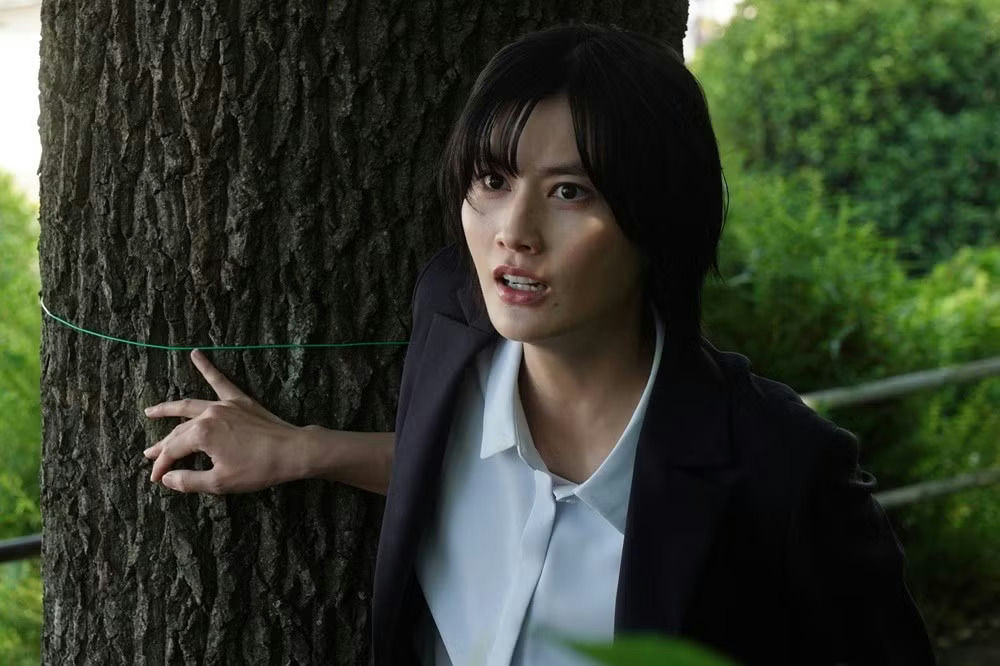
The agency explained that Sato Jiro only learned about Hashimoto’s physical contact restrictions on the day the chin-touching scene was filmed. It also stated that the meeting in her dressing room afterward was intended to clear up misunderstandings rather than intimidate her.
As the story spread across social media, Japanese netizens became deeply divided. Many defended Sato Jiro, arguing that he had no knowledge of Hashimoto’s request beforehand and was unfairly labeled as a harasser. Comments included, “If I were suddenly accused of harassment while filming, I’d be upset too,” and “He probably didn’t even understand what was happening at the time.”
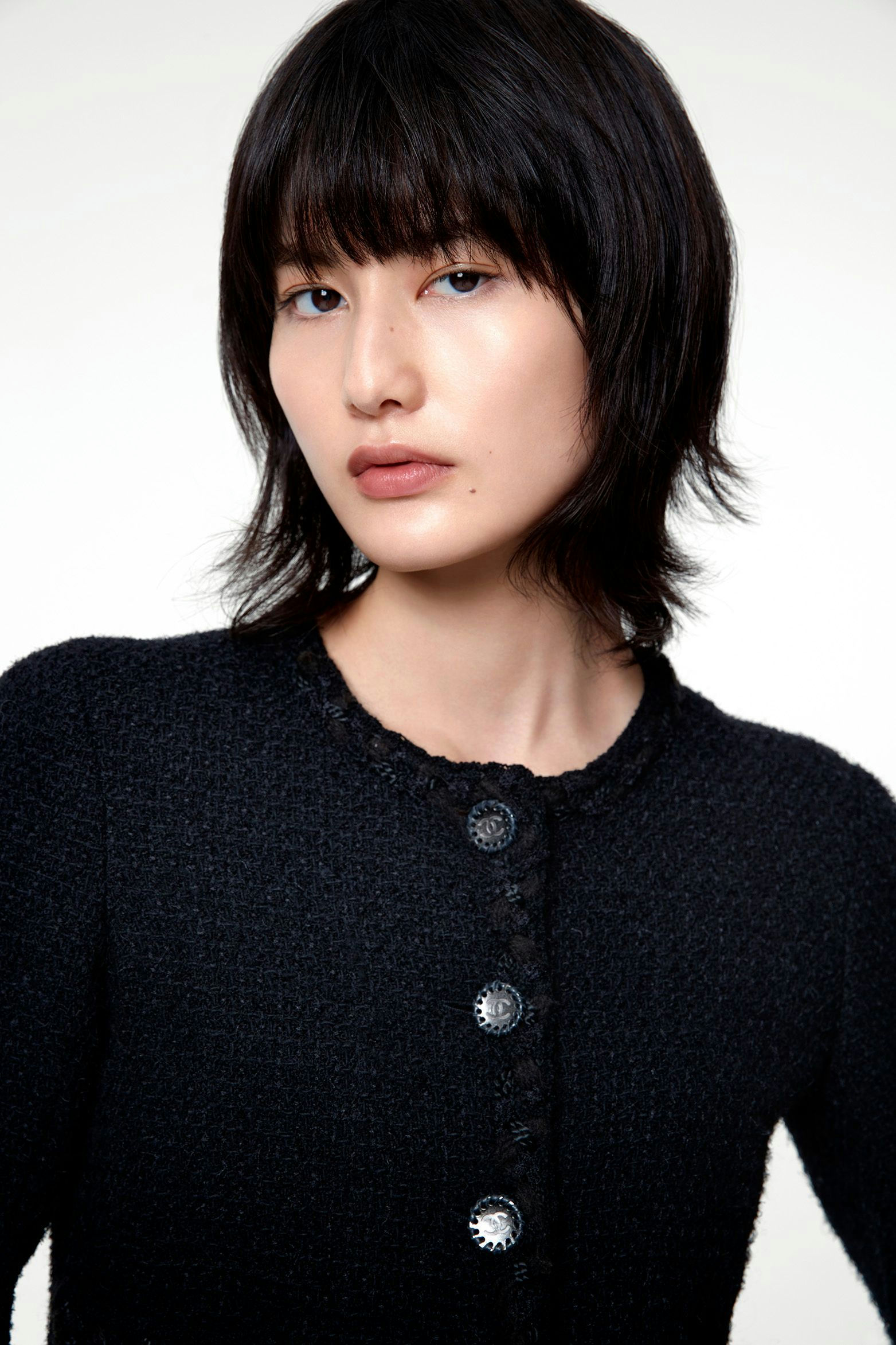
Other commenters criticized and mocked Hashimoto Ai, describing her as “overreacting,” “too sensitive,” and having a “glass heart.” Some argued that, as an actress, she should not impose so many personal rules on co-stars, claiming they interfere with filming. A number of particularly harsh comments even suggested that she should retire from acting altogether.
Some Japanese internet users also dug up scenes from Hashimoto Ai’s previous works, pointing out moments where she leaned on, hugged, or displayed even more intimate physical contact with male co-stars than a simple touch on the chin. They questioned why those scenes were acceptable while this incident was considered harassment.
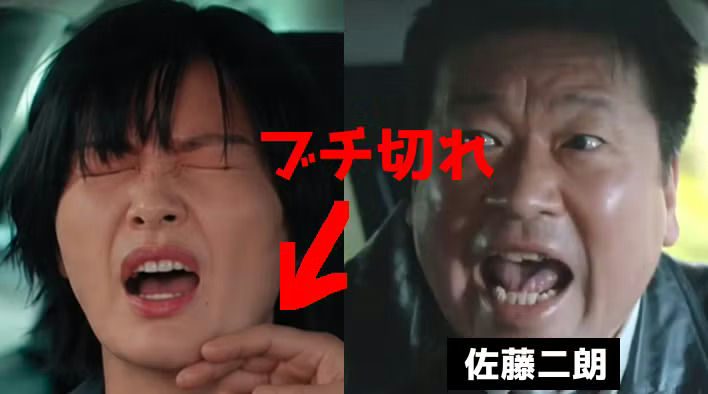
However, many others defended Hashimoto Ai. They emphasized that she had informed the production team of her physical contact boundaries before filming began. According to these supporters, the chin touch itself may not have been the central issue. Instead, they argued that Sato Jiro entering her dressing room afterward and raising his voice, causing the actress emotional distress, was what crossed the line into harassment.
Meanwhile, another group of viewers believes that the primary responsibility lies with Fuji TV. They argue that the production failed to properly communicate Hashimoto Ai’s boundaries to both actors from the beginning, ultimately creating the misunderstanding. They also criticized the broadcaster for leaving both performers to face intense public scrutiny on social media after the controversy erupted instead of taking responsibility for the communication breakdown.
Sources: HHT
You must be logged in to post a comment.