
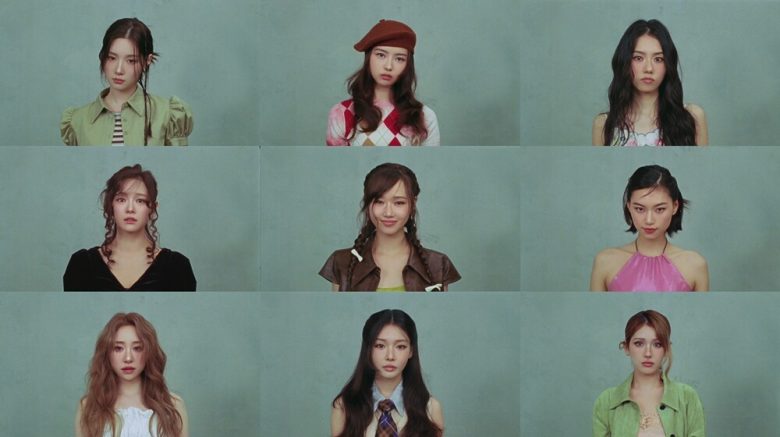
A growing number of beloved K-pop acts are reuniting years after disbandment, with groups such as I.O.I, Secret, and SeeYa drawing significant attention through full-group comeback activities. Industry insiders believe the trend is being fueled by a simple but powerful factor: the fans who supported these groups during their teenage years have now entered their 30s and 40s, gaining the purchasing power needed to support large-scale reunion projects.
Secret Returns After 12 Years
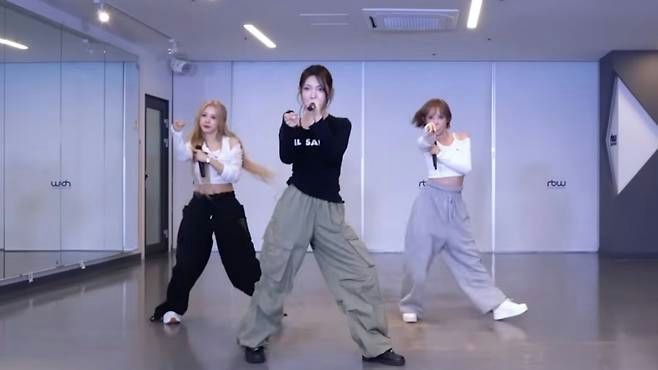
One of the most anticipated reunions of 2026 is Secret’s return as a full group. The second-generation girl group is scheduled to release the special mini album “Secret Flavor” on June 18, marking its first full-group comeback in 12 years.
To facilitate the reunion, Secret added vocalist Yebin, who joined the lineup in place of former members Han Sun-hwa and Song Ji-eun. Initially, some fans questioned whether Yebin could match the vocal abilities of the original members. However, criticism largely faded after the group released a live performance video of “Madonna (2026 Ver.)” on June 12, where she impressed listeners with her strong vocals.
SeeYa Reunites for 20th Anniversary
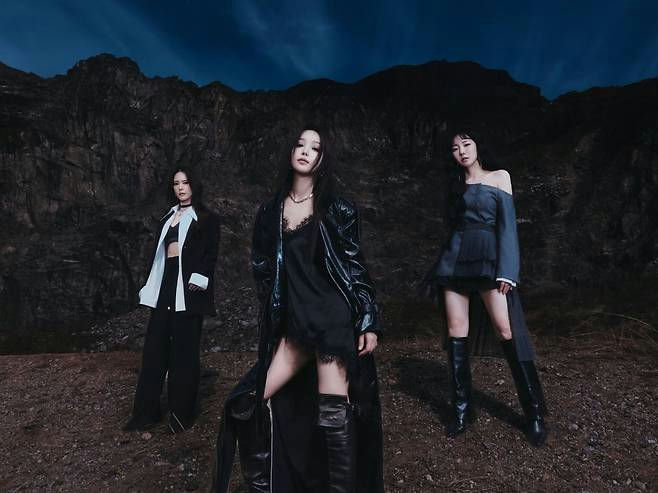
Meanwhile, SeeYa is preparing for its first full-group activities since disbanding in 2011. The reunion coincides with the group’s 20th debut anniversary and has generated attention because the members reportedly established their own company to make the project possible.
In recent weeks, the trio has appeared on several popular Korean variety shows, including: Radio Star, Immortal Songs and My Little Old Boy. The group is also set to launch its nationwide concert tour, “THE FAN,” in August, visiting five cities across South Korea.
I.O.I Proves Reunion Groups Can Still Dominate Charts

Much of the current excitement surrounding reunions has been amplified by I.O.I’s remarkable comeback success. The project girl group recently returned with its third mini album, “I.O.I : LOOP,” and its title track “Suddenly” quickly rose to the top of major Korean music charts.
The song not only reached No. 1 on streaming platforms but also maintained strong momentum over multiple weeks, demonstrating that interest extends beyond dedicated fanbases and into the general public. Industry observers view I.O.I’s performance as evidence that reunion projects can still achieve mainstream success in today’s highly competitive music landscape.
The Trend Began Before 2026
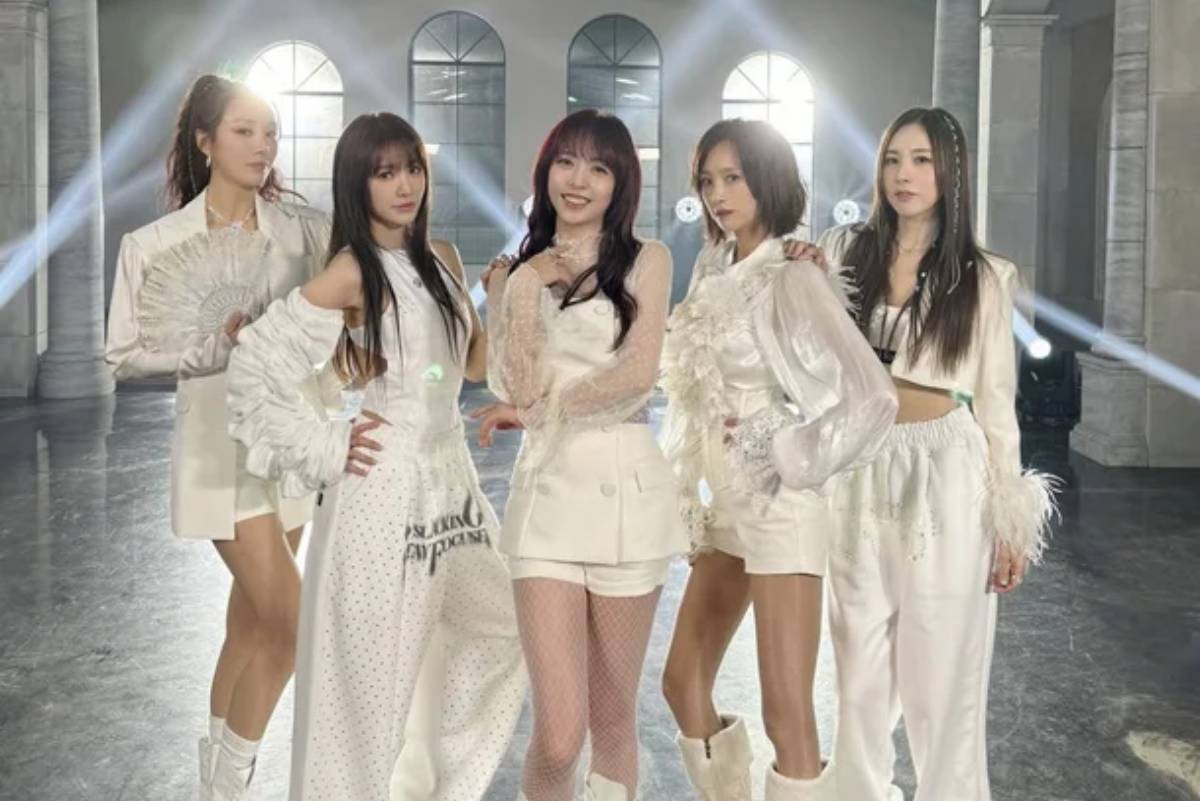
While 2026 may feel like the peak of the reunion movement, signs of the trend emerged years earlier.
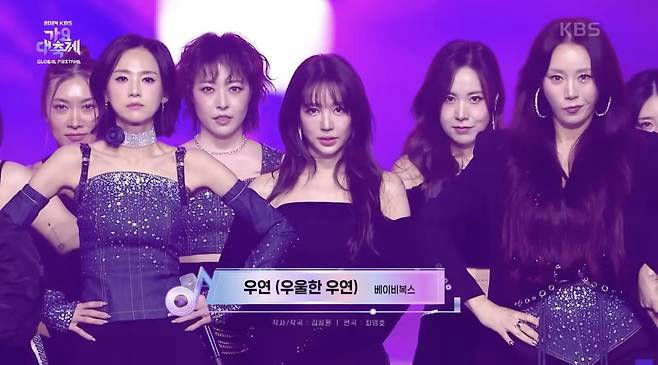
In 2024, legendary first-generation girl group Baby V.O.X reunited for a special performance at the KBS Song Festival. The group performed their classic hits “Get Up” and “Coincidence,” marking their first appearance together in nearly two decades. The performance generated massive online interest, with the official KBS K-pop YouTube video surpassing 12 million views and proving that public demand for nostalgic content remained strong.
The current phenomenon mirrors a similar movement that emerged roughly a decade earlier.
In 2014, legendary first-generation idol group g.o.d became one of the first major K-pop acts to successfully reunite after a long hiatus. Their comeback established a blueprint that many later groups would follow. Subsequent reunions included: Sechs Kies (2016), S.E.S. (2016) and H.O.T. (2018). These projects demonstrated that nostalgia could be transformed into sustainable commercial success.
Why K-Pop Reunions Are Thriving

According to industry experts, the main driver behind the reunion boom is the evolution of K-pop’s audience. The teenagers who once bought albums, watched music shows, and joined fan clubs in the late 1990s, 2000s, and early 2010s are now adults with significantly greater spending power. As a result, entertainment companies have discovered a lucrative market for nostalgia-driven content, including: Reunion albums, anniversary concerts, eemastered songs, special television appearances and legacy merchandise.
One industry insider noted that K-pop is no longer solely a youth-oriented industry. Instead, it has evolved into a cultural phenomenon capable of serving multiple generations simultaneously.
Another expert pointed to the rapid growth of nostalgia consumption as a broader cultural trend. Retro-inspired music, vintage fashion, and the resurgence of older songs on streaming platforms have all contributed to renewed interest in artists from previous generations. As older tracks continue finding new audiences and climbing charts years after release, veteran artists no longer feel outdated. Instead, they are increasingly viewed as timeless performers whose music still resonates with listeners today.
With I.O.I achieving chart success, Secret making a long-awaited return, and SeeYa preparing a nationwide tour, the current reunion wave shows no signs of slowing down. Rather than being short-lived nostalgia projects, these reunions highlight how K-pop’s original fan generations have matured into a powerful consumer base one capable of bringing their favorite groups back into the spotlight years after they first captured the public’s hearts.
Sources: Daum | 텐아시아
You must be logged in to post a comment.