

“Bad Angel” is a high-profile electronic collaboration between the Italian DJ/producer Anyma (Matteo Milleri of Tale of Us) and LISA of BLACKPINK. Released on April 8, 2026, the track arrived just days before Anyma’s headlining set at Coachella, where LISA is rumored to make a guest appearance.
Song Credits
- Artist: Anyma, LISA
- Album: Bad Angel
- Released: April 8, 2026
- Length: 3:01
- Label: Interscope Records / LLOUD
- Lyricist: LISA, Anyma, Sean Douglas, Sarah Hudson
- Composer: Anyma (Matteo Milleri), Chris Greatti, Evan Blair
Anyma, LISA “Bad Angel” Official MV
Anyma, LISA “Bad Angel” Lyrics
English
Yeah, I’m pretty, pretty bad for an angel (Angel)
I do what I want when I say so (Say so)
Yeah, I’m pretty, pretty bad for an angel (Angel)
Uh-oh, I’m bad for an angel
Coming in, coming in hot
Got ’em on, got ’em on rock
Looking at, looking at LISA
Came in and I got it on lock
Walking on water, no flaws
Got ’em in, got ’em in awe
Spilling your truth might free ya
If I said it, I said it, it’s law
Say, “Pretty hurts,” baby, I’m that pain
Eyes on me, I play no games
If looks kill, then I go bang, yeah, I go bang, yeah, I go bang
Just making ’em freeze, looking at me, get on your knees
Heaven or Hell, you can get it from me
Heaven or Hell, now what’s it gonna be?
Yeah, I’m pretty, pretty bad for an angel
I do what I want when I say so
Yeah, I’m pretty, pretty bad for an angel
Uh-oh, I’m bad for an angel
(Yeah) Yeah, I’m pretty, pretty bad for an angel
(Yeah) Yeah, I’m pretty, pretty bad for an angel
Count it up, get my funds and run it up (Up, up)
Count it up, now I’m ’bout to fuck it up
Mischievous, but I’m perfect
Might cause a war, but I’m worth it
Gimme, gimme your heart, I’ll torch it
Then give you life if you earn it
I’m who you live for, what you breathe for
Inhale me, oh, I’m the one you lean on
Let’s get active, make the world go from zero to ten
Heaven or Hell, you just gotta say when
Yeah, I’m pretty, pretty bad for an angel (Yeah)
I do what I want when I say so
Yeah, I’m pretty, pretty bad for an angel (Yeah)
Uh-oh, I’m bad for an angel
(Yeah) Yeah, I’m pretty, pretty bad for an angel
(Yeah) Yeah, I’m pretty, pretty bad for an angel
(Yeah) Yeah, I’m pretty, pretty bad for an angel
Anyma, LISA “Bad Angel” Meaning
Anyma & Lisa “Bad Angel” is a high-impact electronic collaboration that blends futuristic soundscapes with a bold exploration of identity and power. Released ahead of major festival stages, the track stands out as both a sonic and visual statement.
At its core, “Bad Angel” revolves around the theme of duality and autonomy. The song plays with the contrast between purity and rebellion, presenting LISA as an “anti-hero” figure both angelic and dangerous. The hook “Pretty bad for an angel” highlights this contradiction, challenging the expectation that she must fit into a purely “good” or polished image. Instead, the lyrics embrace complexity, suggesting that her strength lies in being multifaceted and unapologetically herself.
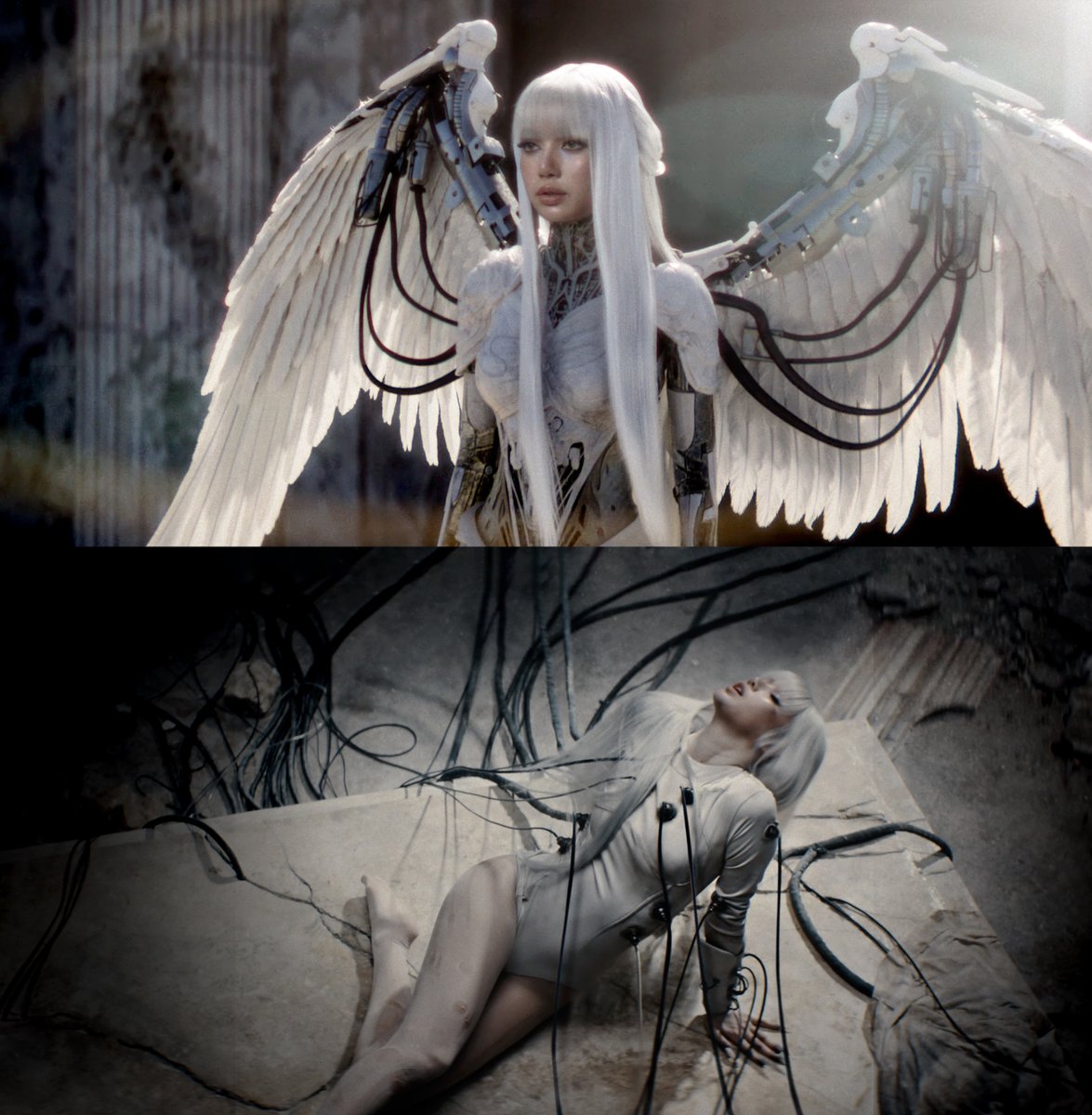
The track also emphasizes power and control, portraying the “Bad Angel” as someone who defines her own rules in both love and life. With references to commanding “heaven and hell,” it positions LISA as a figure of absolute confidence and authority, blurring the line between light and dark.
Visually and conceptually, the song is elevated by Anyma’s signature futuristic, hyper-realistic aesthetic, where LISA appears as a cyborg-like angelic entity. This imagery symbolizes the fusion of human emotion with digital precision, reinforcing the idea of a modern, evolved identity that transcends traditional boundaries.
Overall, “Bad Angel” is a statement of self-definition and empowered duality proving that being both “good” and “bad” isn’t a contradiction, but a source of power.
You must be logged in to post a comment.