
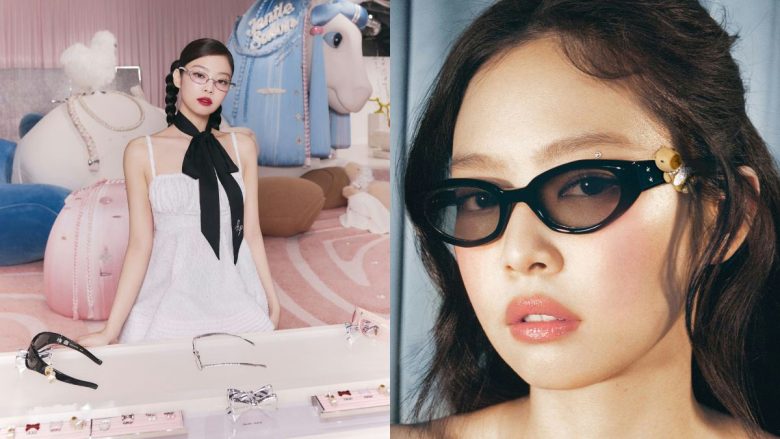
Jennie of BLACKPINK is once again proving her immense influence—this time through the noticeable decline of a major fashion company following her departure.
According to recent reports, IICOMBINED—the parent company of Gentle Monster and Tamburins—recorded a 24.3% drop in profit in 2025 compared to 2024, marking its first decline after four consecutive years of explosive growth. Both its core sectors, eyewear and cosmetics, showed weakened performance.
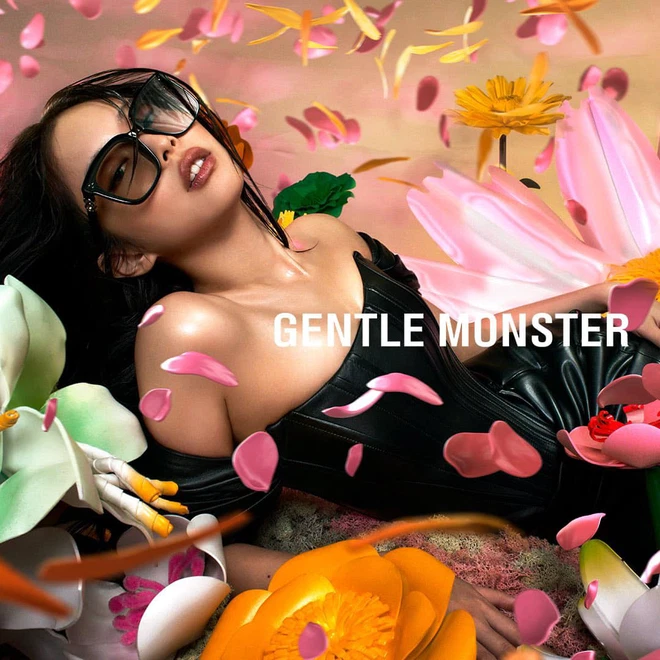
The timing has drawn particular attention as 2025 also marks the end of Jennie’s long-standing partnership with the company. Over the years, Jennie had been the face of both Gentle Monster and Tamburins, playing a key role in elevating their global image.
From 2020 to 2024, IICOMBINED experienced rapid growth, with revenue climbing from 209.5 billion won (2020) to over 600 billion won (2023). However, the upward trajectory halted in 2025, leading many to connect the downturn with Jennie’s absence.
After her departure, the brands introduced new ambassadors, including Felix of Stray Kids and Karina of aespa. Despite their popularity, industry watchers note that the commercial impact has not matched Jennie’s era.
Online, Korean netizens have been quick to highlight Jennie’s “brand power.” Many credited her for transforming Gentle Monster into a global fashion symbol over her 7-year partnership, with some even recalling trends where fans lined up to take photos with her billboards. Comments such as “Sales figures say everything” and “Jennie defined the brand’s identity” reflect the prevailing sentiment.
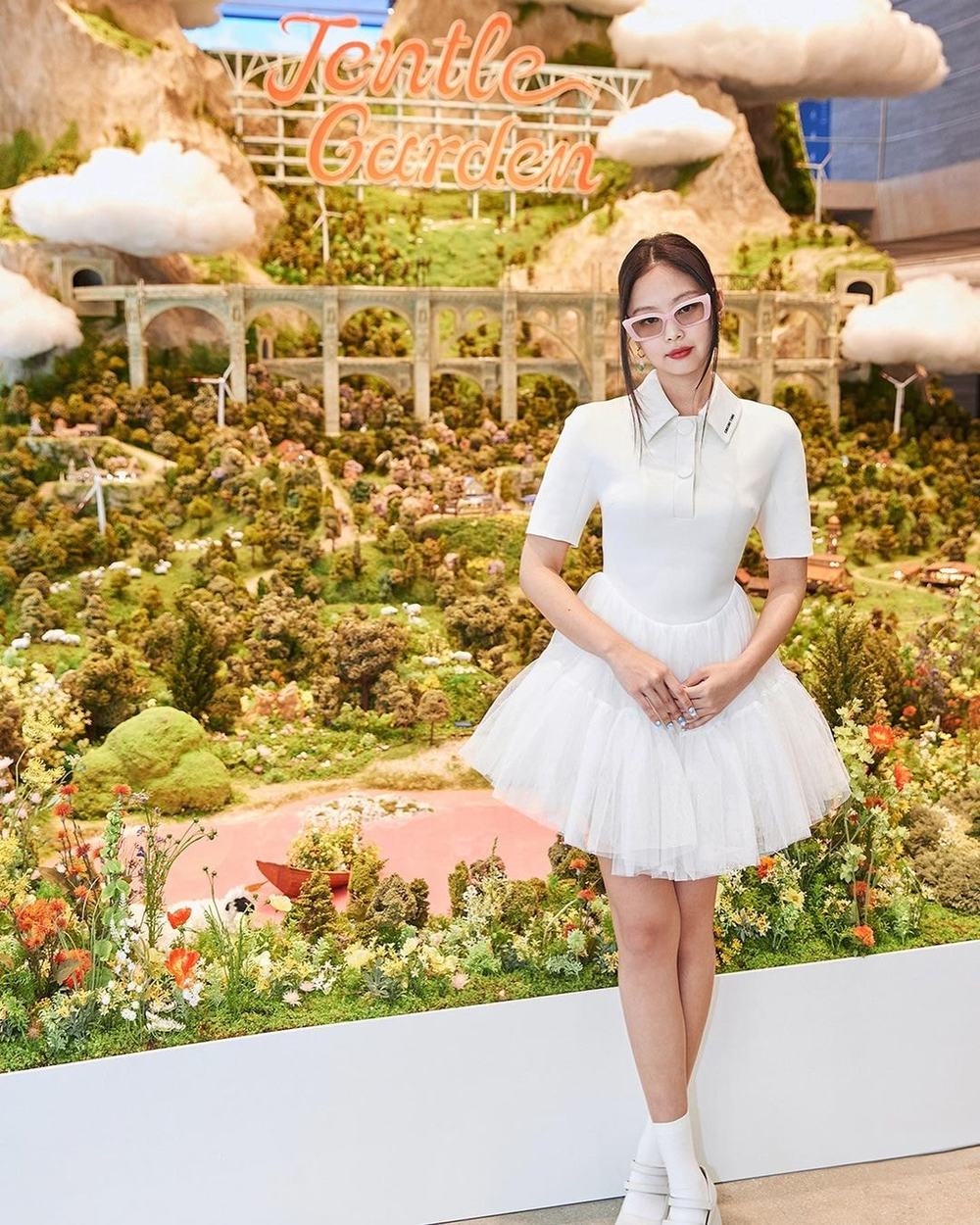
Jennie’s influence is backed by concrete data. According to analytics platform Lefty, her appearance at Paris Fashion Week Fall/Winter 2024 generated $34 million in Earned Media Value (EMV) for Chanel. Her collaborations frequently result in instant sell-outs, including the “Jentle” collections with Gentle Monster and her capsule line with Calvin Klein, which reportedly crashed websites due to overwhelming demand.
Following the end of her contract, Jennie has moved on to represent global eyewear brand Ray-Ban, signaling a shift toward broader international positioning.

While some critics argued that Jennie should have continued supporting domestic brands, many defended her decision, emphasizing that she had already contributed significantly to IICOMBINED’s rise.
Ultimately, the situation highlights a broader reality in today’s fashion industry: top-tier K-pop idols like Jennie are no longer just ambassadors—they are economic drivers capable of shaping a brand’s global success.
Sources: kenh14
You must be logged in to post a comment.