
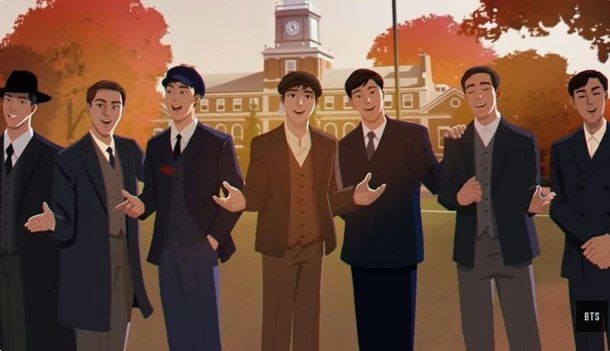
BTS is facing growing backlash following the release of a teaser video for their latest album ARIRANG, with critics accusing the production of racial insensitivity.
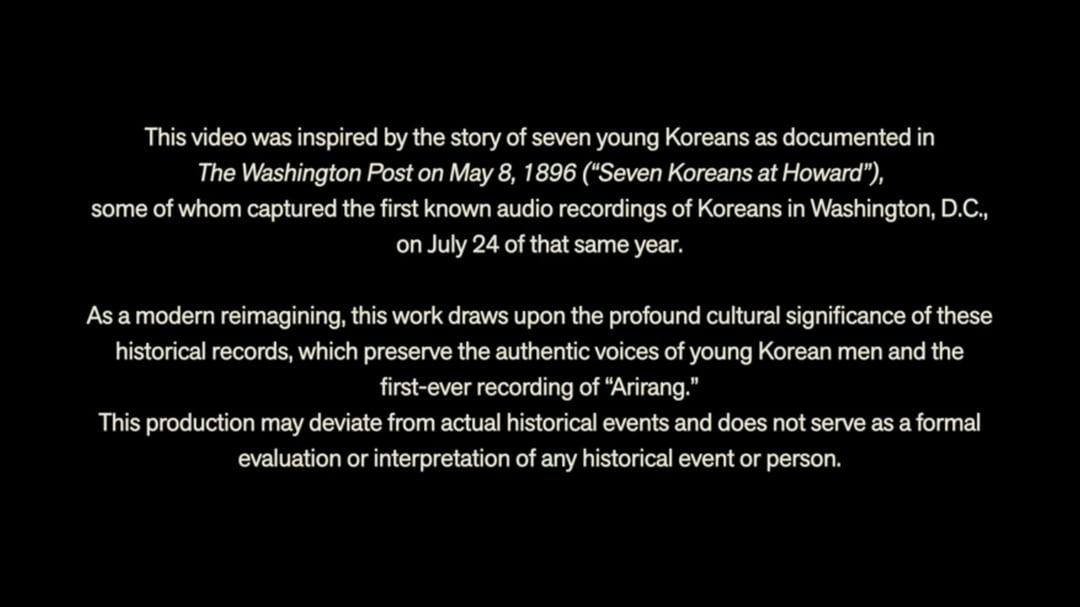
The controversy centers on an animated promotional clip inspired by a historical narrative in which Korean students recorded Arirang in Washington, D.C. in the late 19th century. In the video, BTS members are depicted traveling back in time to perform at Howard University. However, the depiction of the campus has sparked criticism, as many of the background characters appear to be white.
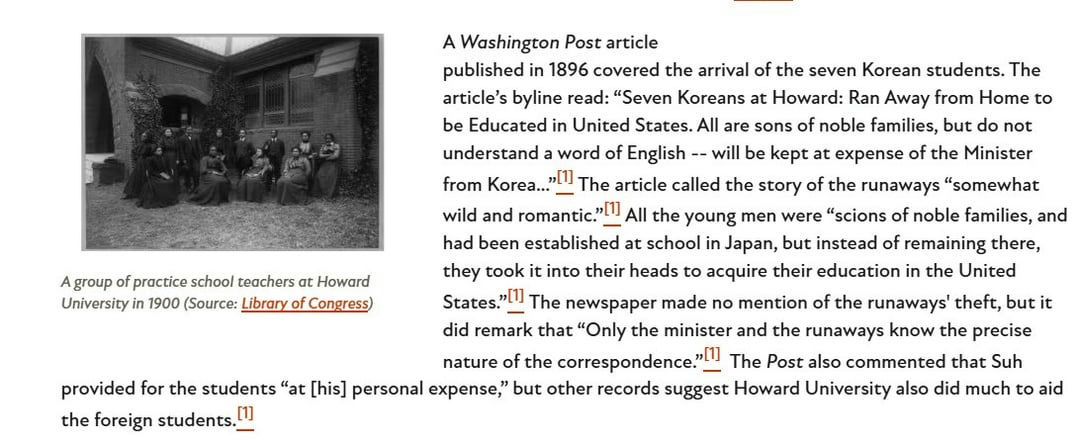
Howard University, founded in 1867 after the American Civil War, is widely recognized as one of the most prominent historically Black colleges and universities (HBCUs). It has played a central role in Black education and civil rights history, producing influential figures such as Thurgood Marshall and Kamala Harris. Today, the institution remains predominantly Black, with approximately 70% of its student body identifying as African American.
Following the teaser’s release, segments of the Black K-pop fan community and HBCU supporters expressed disappointment, arguing that the video effectively “whitewashed” the university’s identity. Some critics noted that only a small number of Black characters appeared in the background, while the majority were portrayed as white—an interpretation seen as historically inaccurate and culturally insensitive.
Online discussions quickly spread across platforms like Reddit, where users questioned the creative direction. “This could have been a moment to show respect and solidarity, but instead it feels careless,” one commenter wrote. Others argued that the video failed to highlight the historical significance of Howard University, reducing it to a backdrop for album promotion.
The criticism is further amplified by BTS’s long-standing acknowledgment of the influence of Black music genres such as hip-hop and R&B on their work. For some fans, this context makes the perceived misrepresentation more disappointing.
While the intent behind the teaser may have been to blend history with artistic storytelling, the reaction underscores the increasing scrutiny global artists face when engaging with culturally sensitive subjects. As the debate continues, the controversy raises broader questions about representation, historical accuracy, and responsibility in K-pop’s expanding global reach.
Sources: Financial News,Black Enterprise
You must be logged in to post a comment.