

Ahead of BTS’s comeback performance on March 21 at Gwanghwamun Square, the Seoul Metropolitan Government announced plans to illuminate major landmarks, including N Seoul Tower and Lotte World Tower, in red. With over 200,000 people expected to attend, ARMYs from around the world are currently converging on Seoul.
According to officials, the decision was made at the request of HYBE, aligning with the concept color of BTS’s upcoming album “Arirang.” A city representative explained, “It will look as if the entire city has become one massive concert stage.”
ARMY Pushes Back: “BTS Is Purple”
However, the announcement quickly triggered backlash from BTS’s global fandom, ARMY. Fans argued that regardless of album concepts, purple remains BTS’s official and symbolic color, representing the deep bond between the group and their fans.
On social media platforms like X (formerly Twitter), protest hashtags began trending, including #BTSisPurple and #방탄은보라색. Many fans accused the city of changing BTS’s identity without consent and even raised concerns about potential political implications.
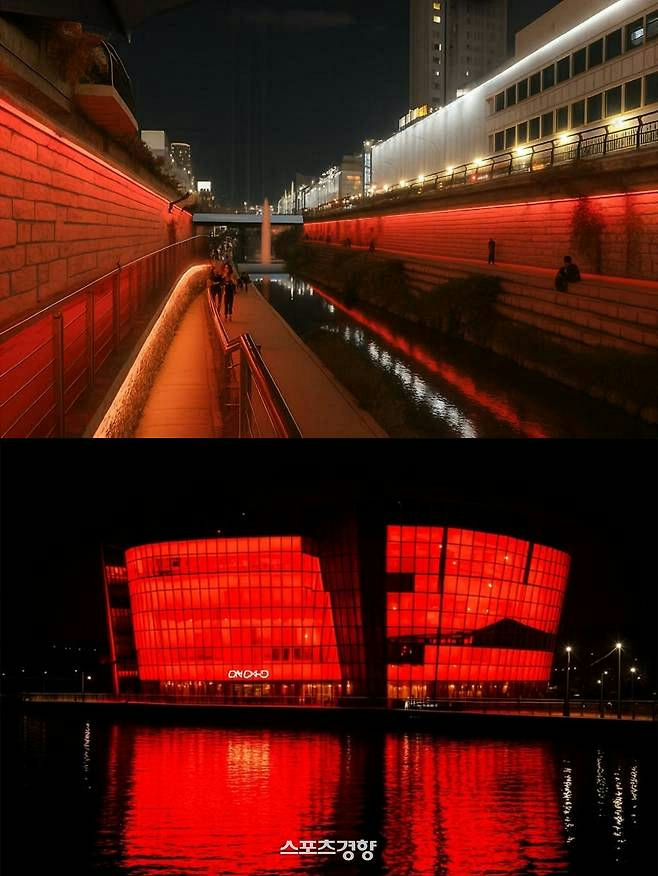
Some fans and international media outlets suggested that the large-scale city project could be interpreted as an attempt to use BTS’s influence for political messaging. “They are trying to use the artist as a political tool,” some fans claimed online, expressing discomfort with the shift away from the group’s established symbolism.
City Responds to Criticism
In response, Seoul officials clarified that the red lighting was not arbitrary but directly tied to the album’s concept and requested by HYBE. The city emphasized that the intention was to celebrate BTS’s comeback on a global scale, not to replace their symbolic identity.
On the 18th, HYBE announced, “We would like to clarify that the red color used for the Gwanghwamun Square performance represents the key color of the Arirang album. The Seoul Metropolitan Government is also utilizing red in accordance with HYBE’s request.” They further urged, “We ask that you refrain from interpreting a pop culture event through an excessively political lens.”
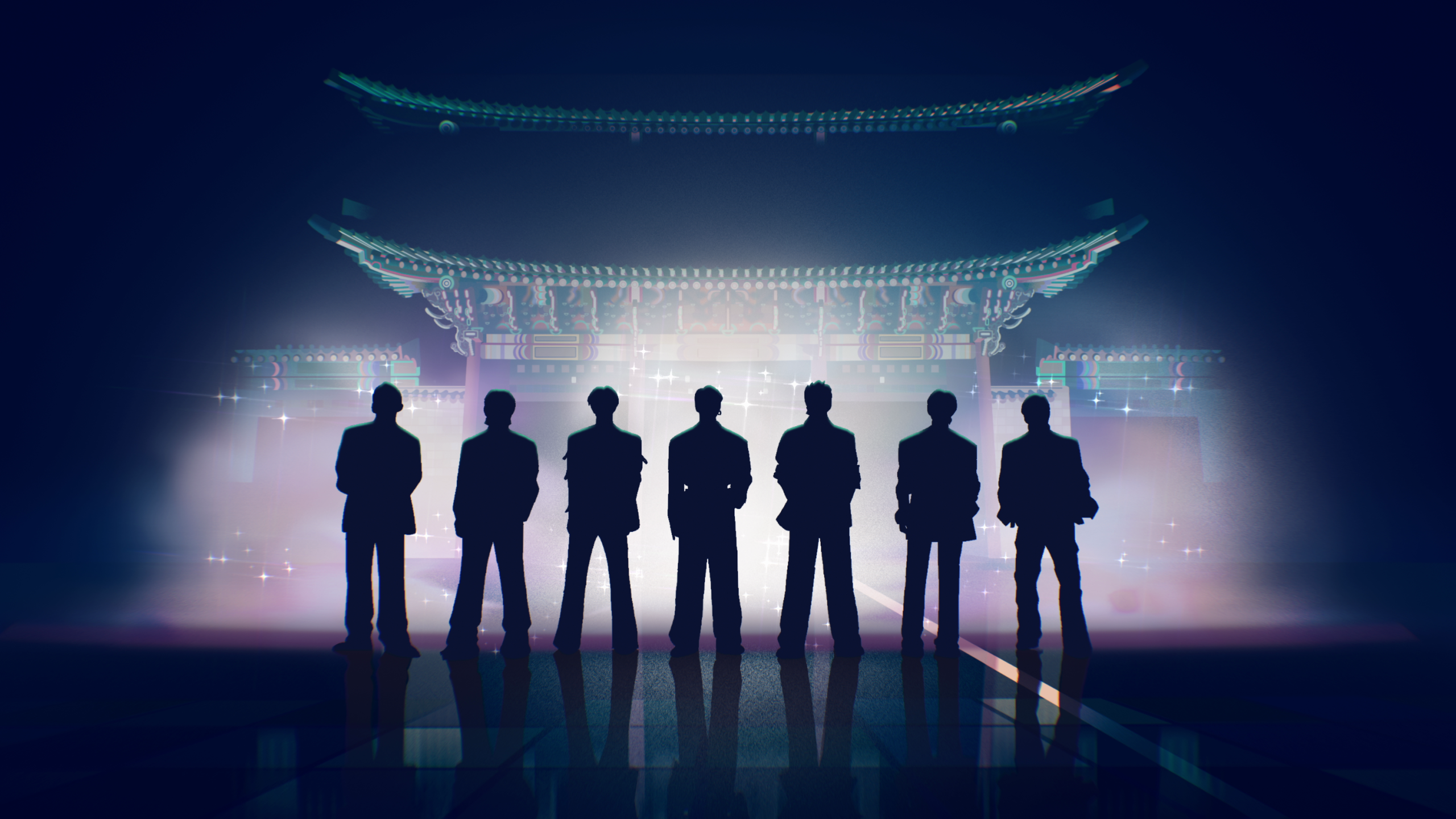
Despite the explanation, debate continues to intensify as the event approaches. What was meant to be a celebratory moment has now become a broader discussion about fan culture, symbolism, and the intersection of entertainment with public initiatives.
Sources: Daum | 스포츠경향
You must be logged in to post a comment.