
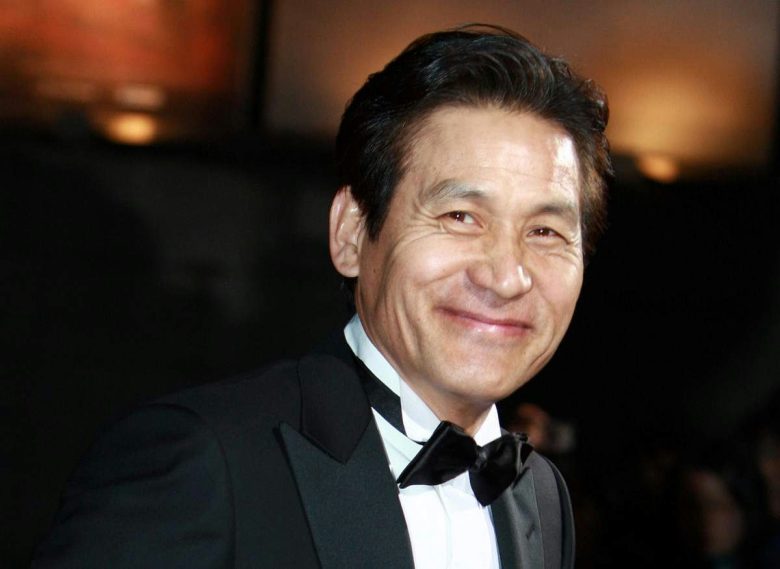
Ahn Sung Ki, the legendary figure regarded as the living history of Korean cinema and revered nationwide as a “national actor,” passed away on January 5, 2026, at the age of 74. He died peacefully in the intensive care unit of Soonchunhyang University Hospital in Yongsan, Seoul, surrounded by his family. The actor had collapsed at home on December 30, 2025 after choking while eating and was rushed to the hospital after receiving CPR. Despite six days of intensive treatment, he ultimately did not recover.
Born in 1952 in Sinam-dong, Dong-gu, Daegu, Ahn Sung Ki debuted in 1957 as a child actor in Kim Ki Young’s Twilight Train, quickly earning attention as a prodigy. Over the next seven decades, he appeared in more than 170 films, building a filmography that came to represent the very chronology of Korean cinema itself. His career mirrored the industry’s evolution, from postwar beginnings to global recognition.
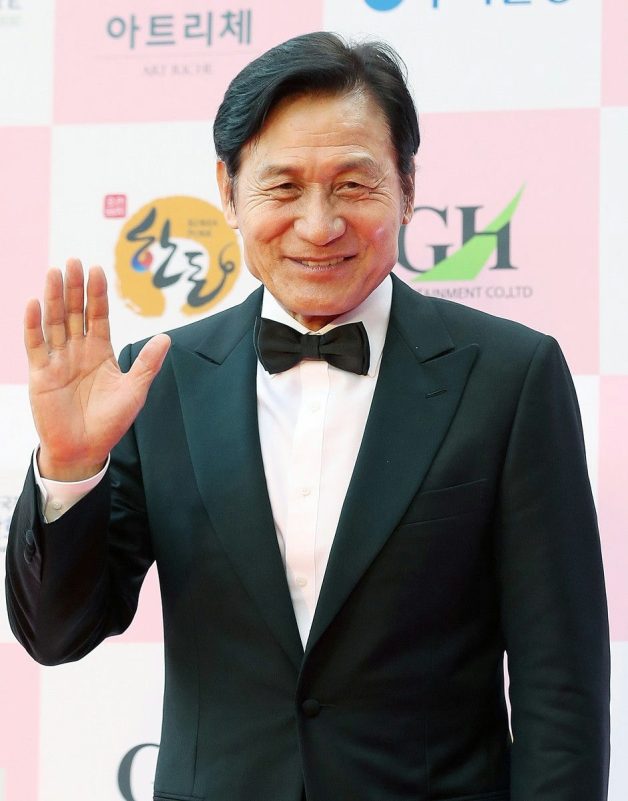
In the 1980s, Ahn helped usher in a new era of realism in Korean film through works such as A Fine, Windy Day and Whale Hunting, which portrayed urban poverty and youth struggles with raw honesty. He later explored the tragedy of ideology in Nambugun (1990), showcased mass appeal in hits like Two Cops (1993) and Nowhere to Hide (1999), and stood at the center of Korean cinema’s first 10-million-viewer phenomenon with Silmido (2003). Time and again, Ahn Sung Ki was present at defining moments of the industry.
Throughout his life, he received more than 40 Best Actor awards, an unparalleled achievement that recognized both his acting prowess and public appeal. In 2018, CGV Apgujeong honored his contributions by dedicating an art-house theater named “Ahn Sung Ki Hall,” a rare tribute reflecting his stature in Korean film history.
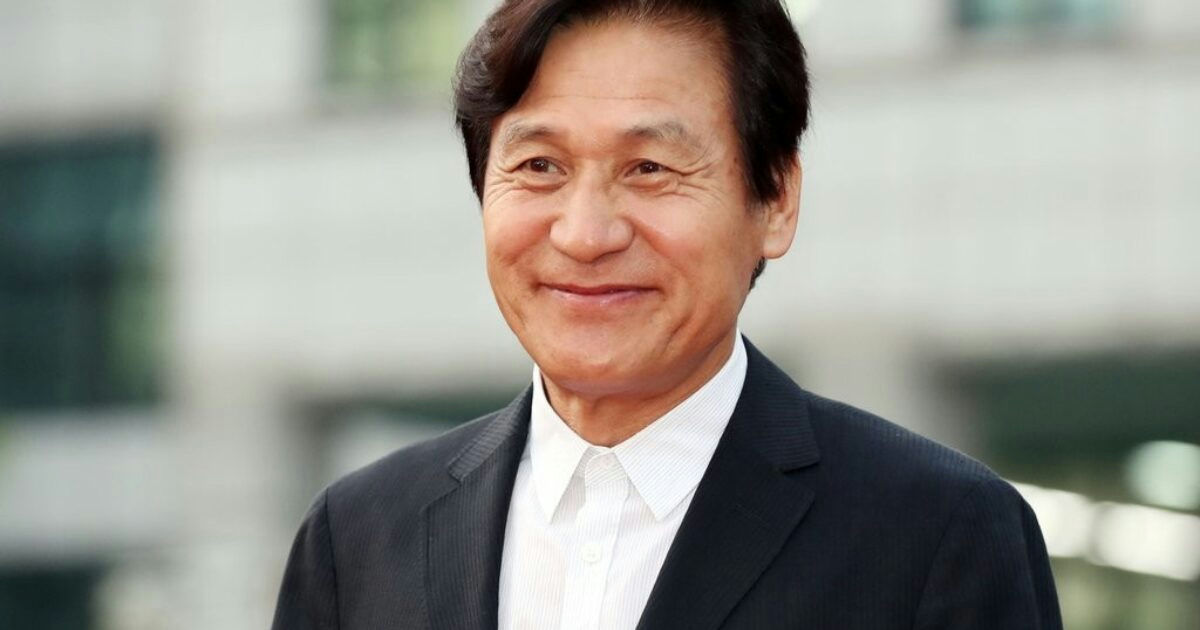
Beyond the screen, Ahn Sung Ki embodied a profound sense of social responsibility. He took a leading role in the early-2000s movement to protect Korea’s screen quota system, helping safeguard the domestic film industry’s independence. For over 30 years, he also served as a UNICEF Goodwill Ambassador, dedicating himself to aiding underprivileged children around the world. Living by humility, compassion, and integrity, he remained free of scandal throughout his life, proving through action why he was worthy of the title “national actor.”
His funeral is being held as a state-level ceremony for film professionals, organized by the Shin Young Kyun Arts and Culture Foundation and the Korea Film Actors Association. Veteran filmmaker Bae Chang Ho and other senior figures of the industry are serving as co-chairs of the funeral committee. Actors Lee Jung Jae and Jung Woo Sung, who deeply respected Ahn Sung Ki, are set to personally serve as pallbearers, accompanying him on his final journey. The memorial is being held at Seoul St. Mary’s Hospital, with the funeral procession scheduled for January 9 at 6 a.m., followed by burial at Byeolgeurida in Yangpyeong.
His agency stated that Ahn Sung Ki’s works and spirit will continue to live on in the hearts of audiences. Even while battling blood cancer since 2019, he had promised to return to the screen—a promise fulfilled through his final work, Noryang: Deadly Sea (2023). His life, marked by dedication to art and humanity, remains an enduring symbol of Korean cinema.
Sources: Wikitree
You must be logged in to post a comment.