
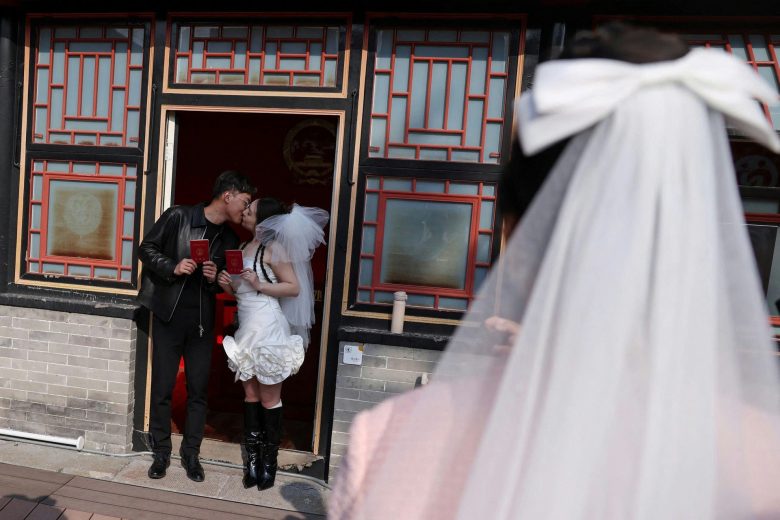
The so-called “virginity war” is one of the key areas of social conflict identified by Liu Jieyu, professor of sociology and Chinese studies at the School of Oriental and African Studies (SOAS), University of London, during a three-year research project that surveyed three generations of Chinese families.
In her book Embedded Generations: Family Life and Social Change in Contemporary China, published on November 25 by Princeton University Press, Liu points out that many young Chinese men are influenced by Western liberal views, are open to premarital sex, and often pressure their girlfriends into having sex while dating.
At the same time, many men still want their brides to be virgins. Coupled with the expectations of older generations—who typically oppose sex before marriage—many young women find themselves caught in a dilemma when it comes to sexuality.
“The decision of whether to lose one’s virginity while dating is a major struggle for women born in the 1980s,” Liu writes.
Virginity as a Constraint
With funding from the European Research Council, Liu established a research team in 2016 to conduct in-depth fieldwork in rural provinces such as Shandong, Hunan, and Fujian, as well as urban areas including Tianjin, Guangzhou, and Xi’an.
Hundreds of interviews were conducted with members of 43 urban and 37 rural families to examine changes in various aspects of family life across three generations: the elderly (born 1930–1950), the middle-aged (1950–1970), and the younger generation (1980–2000).
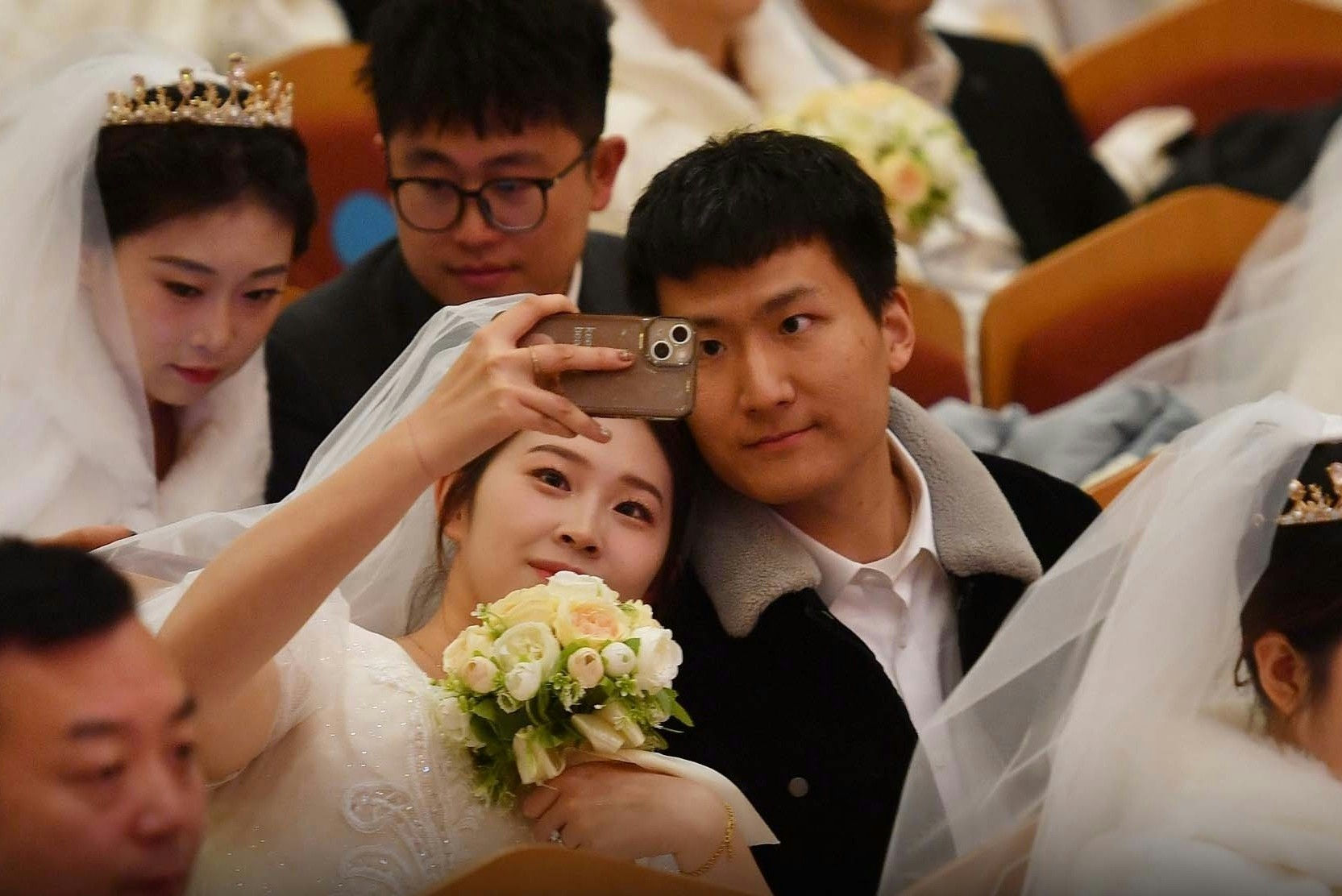
The book concludes that Chinese family life is shaped by a blend of traditional and modern values, and influenced by factors such as life stage, wealth, education level, and whether families live in rural or urban areas.
“When I started this research, I wanted to find change. But instead, I found a lot of continuity across generations,” Liu told the South China Morning Post, noting that traditional values still dominate.
Premarital sex has become more common among young people since the late 1990s, driven by the expansion of the internet and a shift in official language—from referring to cohabitation as “illegal” to merely “unmarried.”
Among the younger generation interviewed, 60% of women and 80% of men had engaged in premarital sex. However, the average number of sexual partners had not increased significantly. Most participants married the person they had their first sexual relationship with. Women aged under 30 had an average of 0–1 sexual partners, while men had 0–2.
“Therefore, premarital sex in China largely acts as a transitional phase toward marriage,” the book explains.
Despite liberal influence, today’s youth still face confusion—especially women, who often worry whether their relationships will truly lead to marriage.
In conversations with male participants, most initially claimed they would respect their partner’s decision regarding sex. However, deeper discussion revealed only about 30% genuinely meant it. Some admitted their first time with a girlfriend happened under coercion.
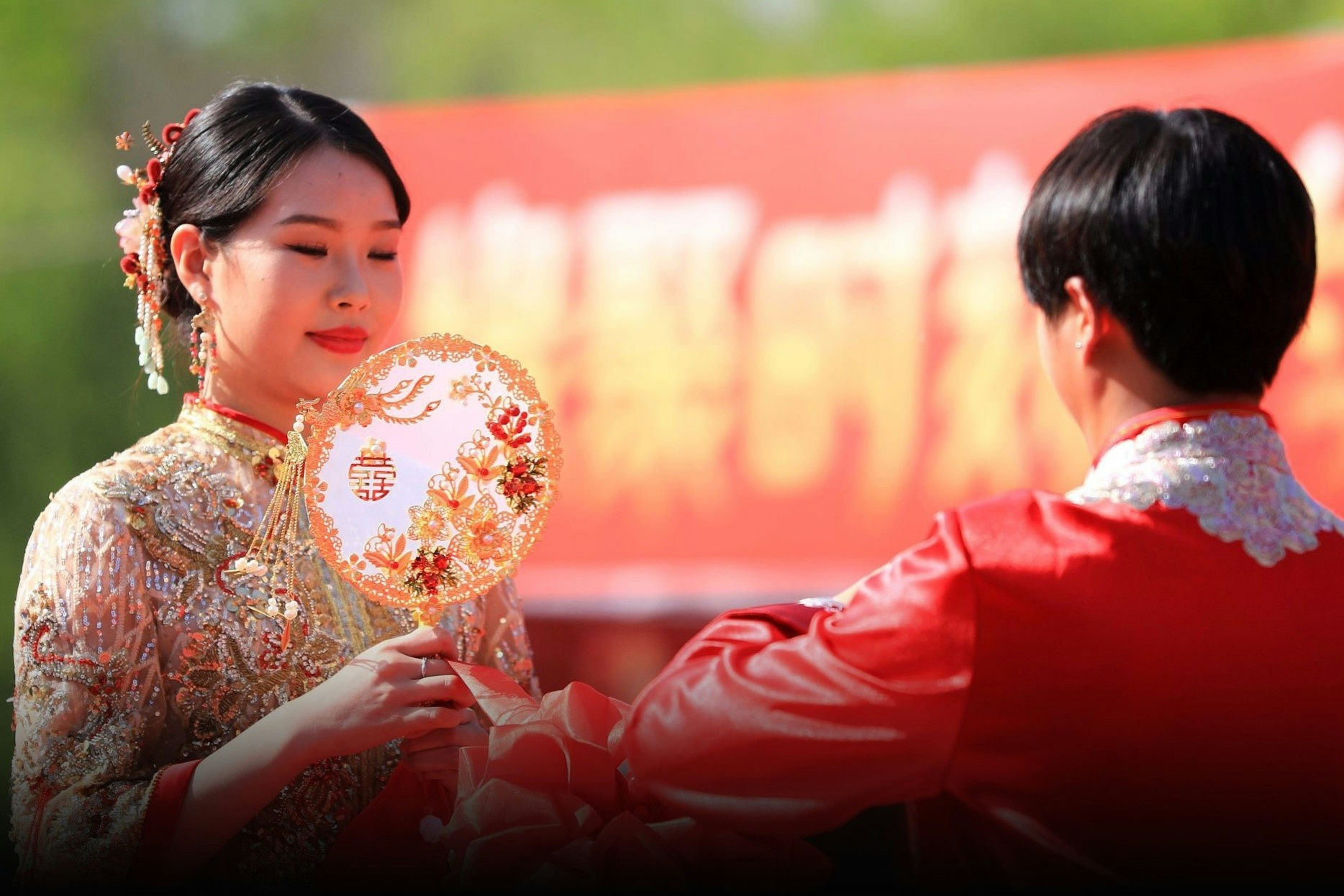
Some women expressed a sense of obligation to marry the man they first slept with. Others described men using traditional norms about virginity as a way to “lock in” the woman they wanted to marry.
“This combination of conflicting expectations reflects clear gender dynamics. For men, it helps them ‘secure’ the partner they want,” Liu writes.
Speaking with SCMP, Liu added: “These contradictory expectations—demanding brides be virgins while expecting girlfriends to prove love through sex—have created deep anxiety and tension for women, perpetuating gender inequality in sexual relationships.”
From an educational perspective, Liu encourages women to learn to say “no” and make autonomous decisions rather than yielding to pressure from their partners.
“We need to raise awareness and empower women,” she emphasized.
Infidelity Rates Higher Than in the U.S.
Liu’s study also reveals a sharp increase in infidelity over the past two decades. Citing previous research, she notes that the rate of cheating rose from 16.5% in men and 4.5% in women in 2006 to 33.4% in men and 11.4% in women by 2015. By 2020, it had increased again—to 35% of married men and 23% of married women.
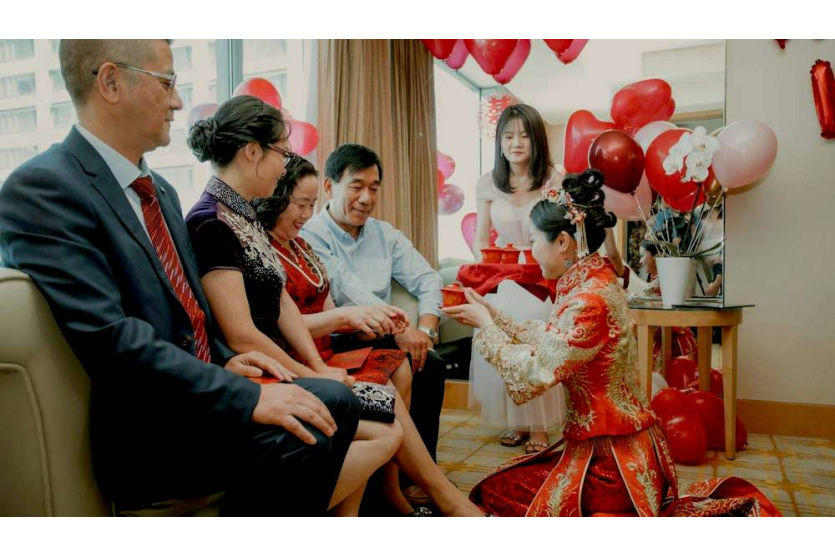
“Infidelity rates in China are now comparable to some developed nations and even higher than those in the U.S.,” the book states.
Few interviewees admitted to having affairs, but 70% of young men said they were open to the idea. Women’s views were more diverse—some strongly opposed cheating, while others said they could separate “life” and “marriage.”
Liu attributes the rising infidelity to:
- Western value influence
- Looser state control over personal life
- A growing sex industry
- Rural-to-urban migration
- Media portrayal of love and intimacy
Traditional values also play a role. Liu explains that marriage pressure intensifies after age 25, with most urged to marry before 30. At the same time, parents discourage early dating due to academic concerns. As a result, many enter marriage without experiencing romantic love—contributing to dissatisfaction and infidelity.
Still, many people choose to stay in unhappy marriages, either out of filial piety or for their children.
Liu notes a clear rise in women initiating divorce among younger generations. However, older women tend to avoid divorce, fearing it will be hard to find a new partner. In contrast, many men avoid divorce due to its cost and hassle, opting to stay married while cheating.
On the growing divorce rate, Liu observed that most occur among younger couples. The longer a marriage lasts, the harder it is to end. Sexual intimacy, she added, is less influenced by generation than by life stage—with child-rearing, work stress, and fertility goals all impacting relationship satisfaction.
Nonetheless, one pattern was clear among couples with fulfilling sex lives:
“Deep mutual understanding, built through years of emotional support and adaptation, leads to intimate, harmonious marriages—and that reflects directly in their sexual lives.”
Sources: Znews
You must be logged in to post a comment.