
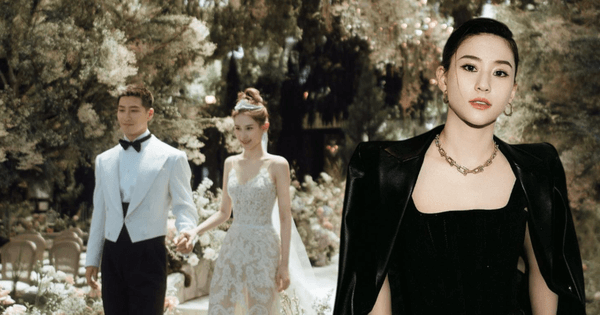
Once hailed as a modern-day fairy tale, the marriage between Macau casino tycoon Stanley Ho’s daughter Laurinda Ho and acclaimed Chinese actor Dou Xiao has now become a subject of public speculation. As rumors of separation spread, many are revisiting the stark differences between the two differences that may have always been there, hidden behind glamorous wedding photos and carefully curated smiles.
Laurinda was born into opulence the daughter of one of Asia’s most influential businessmen. Her world has always been filled with private jets, designer gowns, and high-society galas. Dou Xiao’s, in contrast, was one of relentless struggle. Before achieving fame as an actor, he worked odd jobs from dishwasher and hairdresser to electrician barely making ends meet while pursuing his dreams.

When they wed in a lavish, fairy-tale ceremony attended by stars and magnates alike, many celebrated it as proof that love could transcend status. But as whispers of marital strain grow louder, the same question resurfaces: Can love truly bridge the divide between two people who come from completely different worlds?
When Worlds Speak Different Languages
For couples divided by class, shared affection sometimes can’t compensate for a lack of shared “life language.” One speaks of business ventures, art exhibits, and private getaways; the other recalls long shifts, simple meals, and daily survival. Over time, what once felt fascinating can begin to feel alien. The joy of discovery fades into exhaustion from misunderstanding love slowly eroded by the inability to see the world through the same lens.

In relationships marked by imbalance, one partner often feels compelled to “measure up.” What begins as inspiration can turn into quiet suffocation. Choices are made not from authenticity but from anxiety clothes chosen to impress, conversations rehearsed to avoid embarrassment. When self-worth becomes dependent on comparison, love turns into performance.
The Clash of Two Families, Two Value Systems
Marriage doesn’t only unite two people but two worlds two sets of traditions, expectations, and unspoken hierarchies. When those worlds collide, even the smallest gestures a wedding gift, a table setting, a word of advice can reveal a deep cultural gap. For one side, it’s about etiquette and prestige; for the other, survival and dignity.

Love may be free, but shared life isn’t. Differences in how each person perceives money as security or as freedom often expose the true emotional divide. To one, spending may mean expression; to the other, waste. What begins as a debate over dinner bills can turn into a quiet war of values.
When Love Exhausts Itself Trying to Survive
Sometimes love doesn’t die it simply runs out of strength. When affection must constantly justify itself, it becomes burdened with proof and pride. Both partners begin to act one playing humble, the other kind; one fearing inadequacy, the other fearing guilt. What remains is affection without ease, companionship without equality.

In the end, “compatibility” is not merely about wealth or status. It’s about being able to exist beside someone without losing oneself in translation. True happiness, for Laurinda Ho and Dou Xiao or anyone else, might not lie in overcoming social differences but in finding a love where you no longer have to try so hard to be worthy of it.
Sources: K14
You must be logged in to post a comment.