

In the past, it wasn’t unusual to see celebrities showing off luxury handbags or expensive outfits on social media. But times are changing. With economic struggles and growing social inequality, audiences are becoming increasingly critical of such displays of wealth. Instead, stars who embrace frugality, ethical consumption, and consistent charity work are winning public admiration as so-called “thoughtful celebrities.”
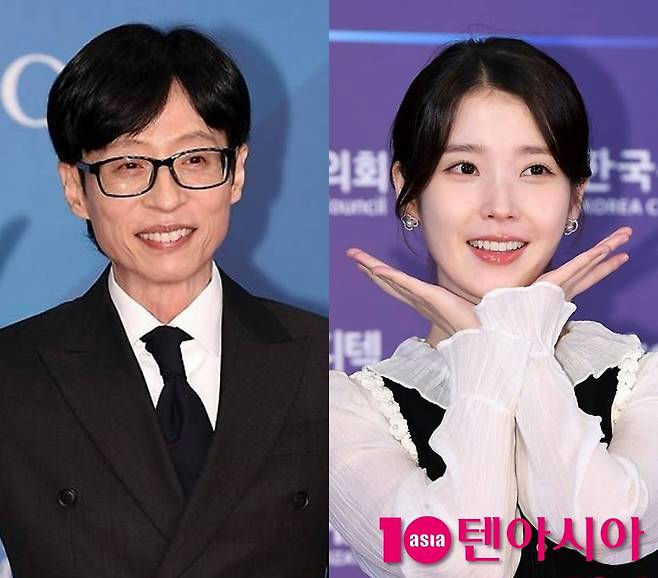
The rise of stars known for “good spending” is evident across the entertainment industry. Nation’s MC Yoo Jae Suk is a prime example, widely recognized for his modest lifestyle. On his web variety show Pinggyego, he revealed that his latest purchase was a pair of glasses costing only 30,000 won. Yoo also regularly donates to support disaster relief, contributing 50 million won this summer alone to aid flood victims.
IU, often called a “walking enterprise” for her high earnings from acting and endorsements, is similarly admired for her humble lifestyle and generous giving. On her debut anniversary earlier this month, she donated 200 million won to support children with incurable diseases, adding to her long history of philanthropy.

Lee Hyori is another figure known for her simple way of living. Her home, showcased on JTBC’s Hyori’s Homestay, reflected a cozy, analog charm with wooden furnishings. She is also active in supporting animal rights and has participated in flea markets, once purchasing only a denim hat on a trip.
By contrast, stars who continue flaunting wealth face strong backlash. Former rhythmic gymnast Son Yeon Jae recently uploaded a video of her luxury-filled Hong Kong anniversary trip, featuring expensive designer outfits, accessories, and fine dining. The video was flooded with negative comments criticizing her for “showing off wealth.” This is not the first time; previous uploads featuring luxury childcare products sparked similar criticism, eventually leading her to delete her channel.
Experts suggest the public’s growing discomfort with luxury displays stems from heightened economic inequality. While flaunting wealth may have been tolerated in the 2010s, today’s rising inflation, high unemployment, and soaring housing prices amplify feelings of relative deprivation. As one cultural critic noted, “Luxury is no longer seen as a symbol of wealth, but of inequality. Audiences now value authenticity and empathy over extravagance. If celebrities want long-lasting connections with the public, they need to reflect on the social atmosphere more frequently.”
Sources: Daum
You must be logged in to post a comment.