

Actor Jo Jae-yoon recently found himself at the center of an unexpected controversy—not because of his acting, but because of his Chinese lines in the ongoing tvN weekend drama Bon Appétit, Your Majesty. The historical fantasy, based on a popular web novel, follows a French cuisine chef (played by Girls’ Generation’s YoonA) who time-travels 500 years into the Joseon dynasty. Her culinary talents eventually lead her to represent Joseon in a high-stakes cooking contest against Ming envoys. Jo Jae-yoon plays Tang Bailong, the head chef serving under the Ming delegation.
The production team opted for linguistic authenticity, having Ming officials speak in ancient Chinese rather than Korean. Jo Jae-yoon impressed many viewers with his clear pronunciation, even earning praise from Chinese audiences. However, the situation soured when a Chinese voice actor posted online that he had dubbed the role and mocked Jo’s Chinese-speaking skills. Although the post was deleted, the ridicule sparked heated debate, with Jo’s acquaintances expressing anger over the unnecessary slight.
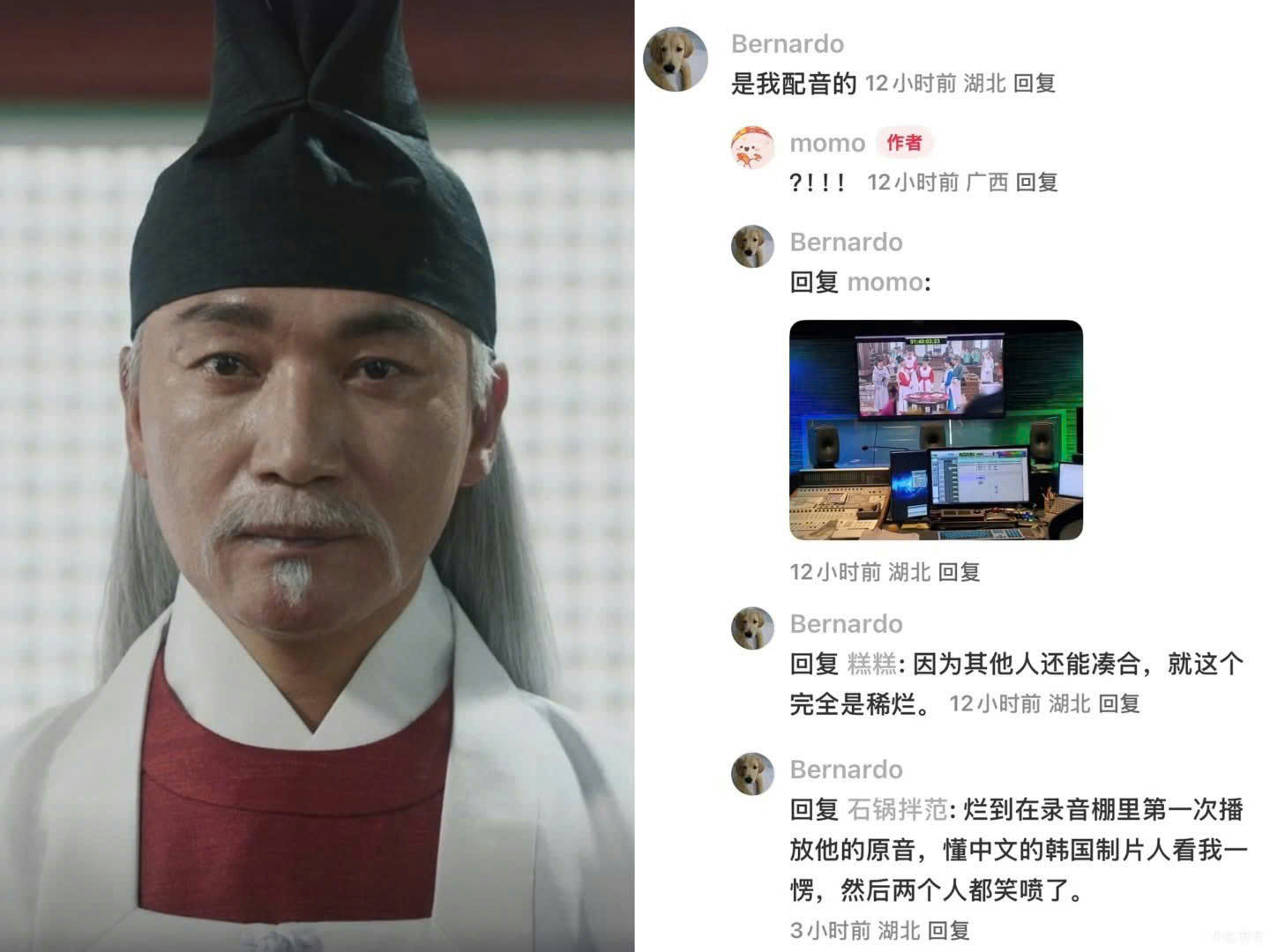
This incident reflects broader cultural frictions between Korea and China, particularly in entertainment. Similar disputes have surfaced in recent years, especially with the growth of global OTT platforms like Netflix. For instance, the Korean Netflix original show Culinary Class Wars faced plagiarism accusations after Chinese platform Tencent Video launched a cooking show bearing striking similarities in format and visuals. Netflix Korea formally requested the show’s removal, underscoring ongoing tensions over intellectual property.
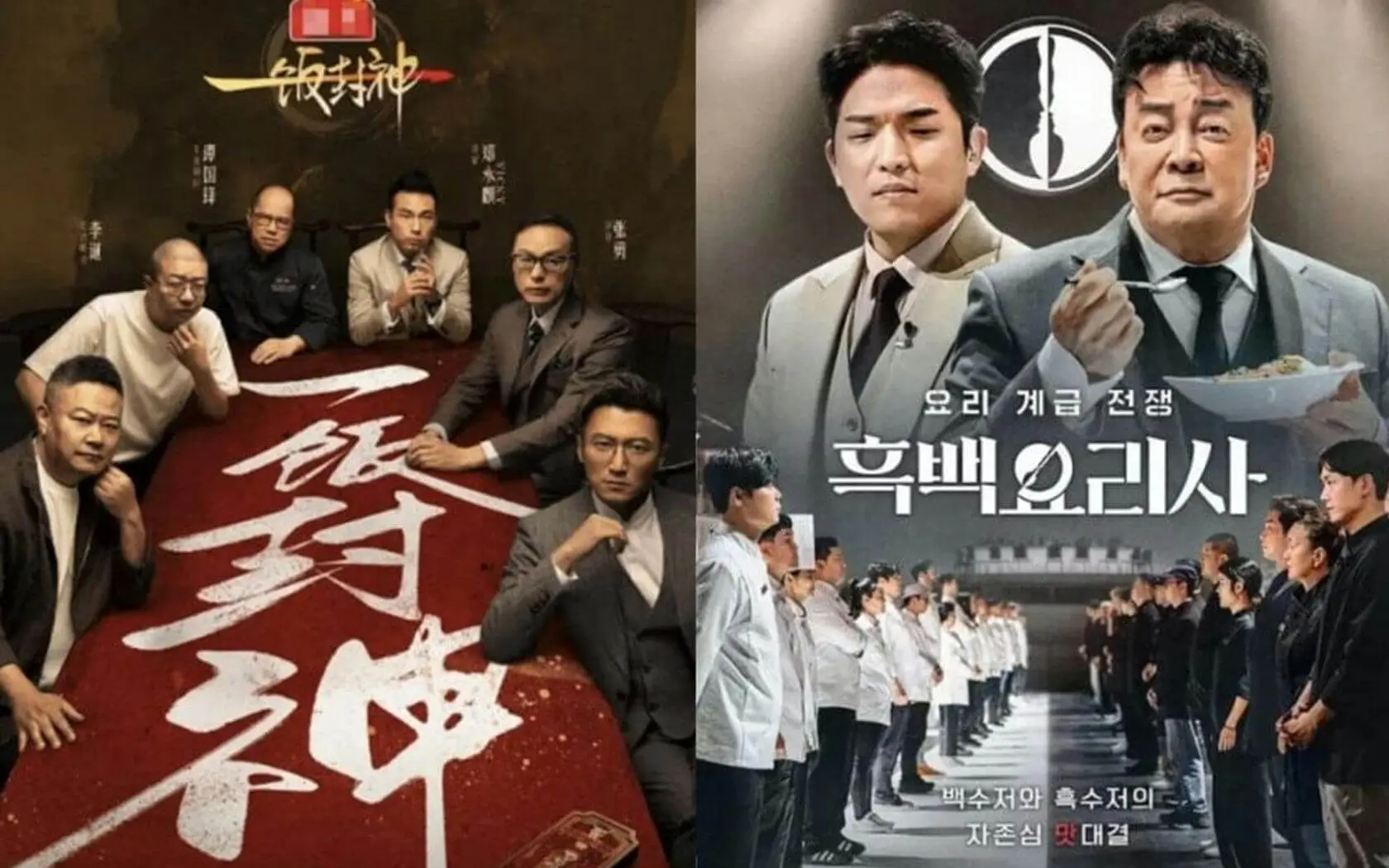
Ironically, Netflix does not even operate in China, meaning its content was accessed and imitated without authorization. A report by the Korea Creative Content Agency revealed that between 2016 and 2021, 18 Korean variety programs were plagiarized 20 times, with 19 of those cases occurring in China.
At times, the reverse has also occurred. TVING’s upcoming drama Dear X came under fire for having a poster design resembling that of the 2018 Chinese film The Devotion of Suspect X. TVING later issued an apology and withdrew the poster.
Such conflicts highlight how cultural exchange between Korea and China has always carried both collaboration and tension. While Korea once relied heavily on Chinese imports, the rise of Hallyu in the 2000s shifted the balance, even leading to political backlash such as the “Hallyu Ban.” Today, anti-China sentiment among Korean audiences amplifies reactions to incidents like dubbing disputes or plagiarism scandals.
Still, Korea and China remain geographically and historically intertwined, making cultural interaction inevitable. Experts argue that while Korea must firmly push back against copyright infringement and disparagement, it should also continue constructive cultural exchange where possible. After all, in a globally interconnected entertainment landscape, isolation from a neighboring cultural powerhouse is neither realistic nor beneficial.
Sources: Daum
You must be logged in to post a comment.