
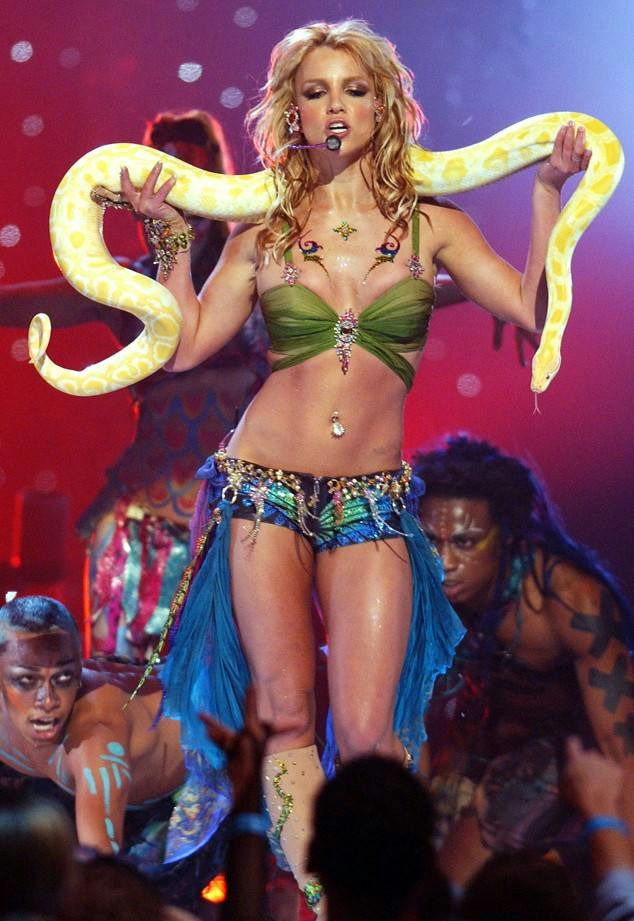
Today, Britney Spears’ name is often tied to controversies, but during her prime, no one could match her impact. In the early 2000s, she wasn’t just a pop star—she was a cultural force who shaped music, fashion, and the spirit of an entire generation.
From Small-Town Girl to Global Superstar
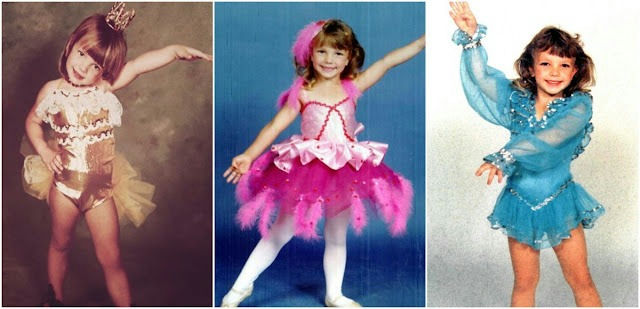
Born in 1981 in Mississippi, Britney Spears showed a love for music from an early age, eventually joining The Mickey Mouse Club alongside future stars like Justin Timberlake and Christina Aguilera. Her breakthrough came in 1999 with the release of …Baby One More Time, which sold over 25 million copies worldwide and instantly catapulted her to global fame. She followed this with Oops!… I Did It Again (2000) and Britney (2001), cementing her title as the “Princess of Pop.”
The Irresistible “Blonde Doll” Look
While her music dominated charts, Britney’s beauty and style made her unforgettable. With her golden hair, sparkling blue eyes, and radiant smile, she embodied the image of the perfect “blonde doll.” Her girl-next-door charm combined with a daring stage persona created a magnetic duality that captivated millions.
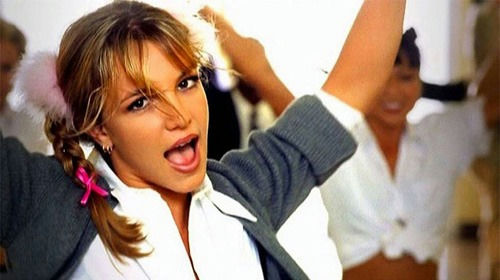
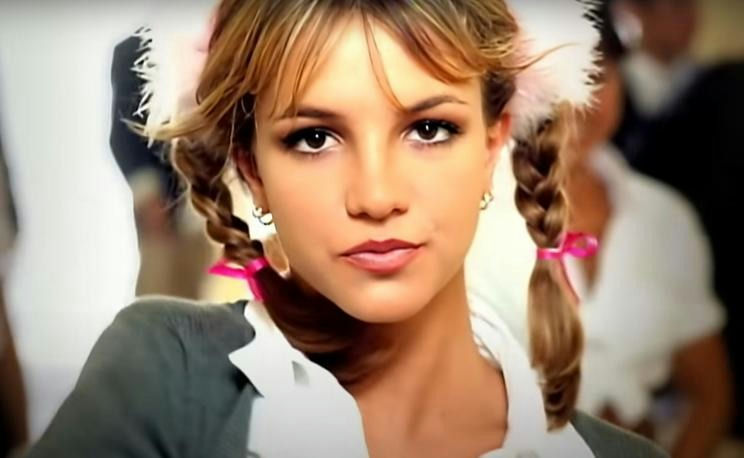
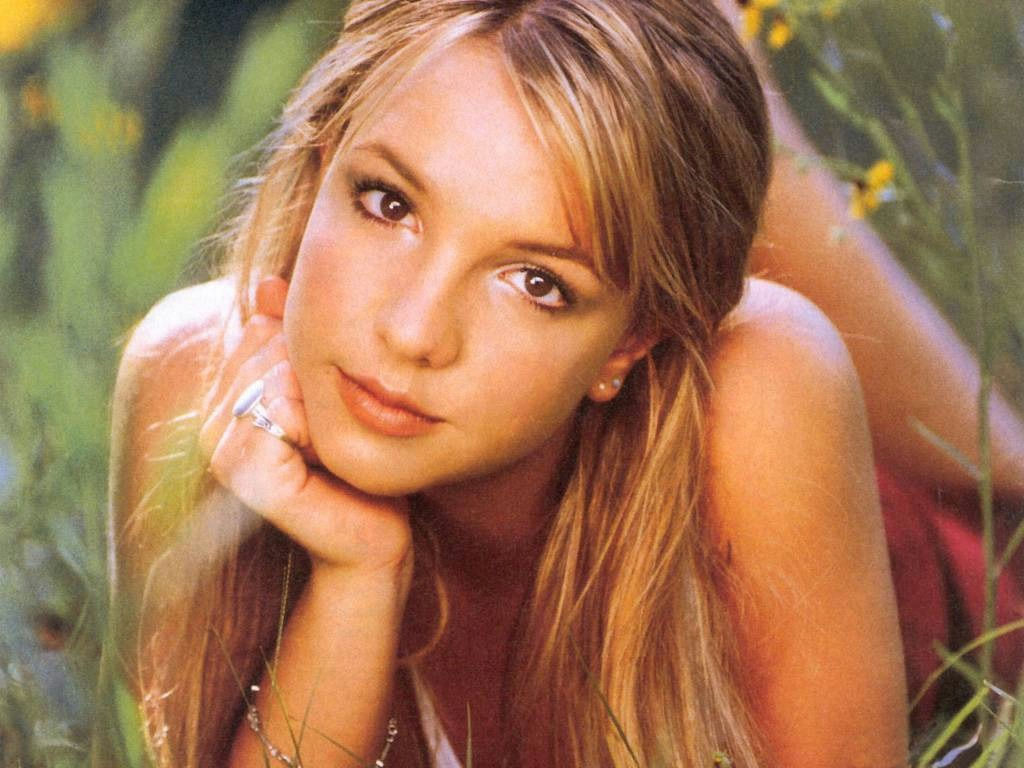
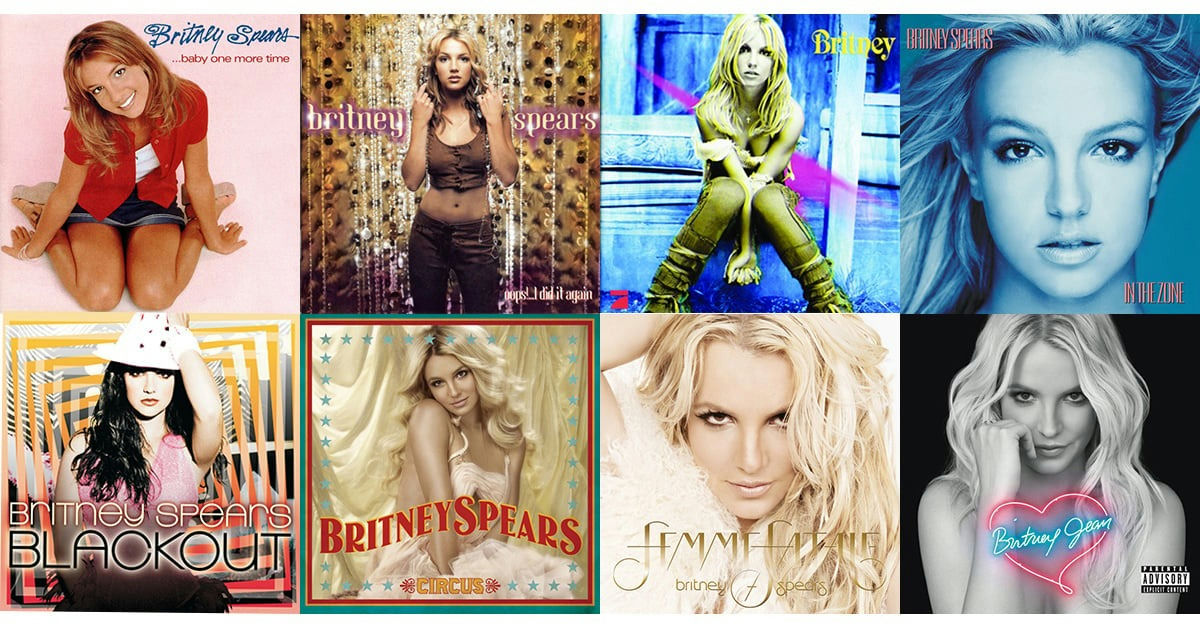
Britney also became a fashion icon of the Y2K era. Her schoolgirl outfit in …Baby One More Time—complete with tied-up shirt, pleated mini-skirt, and pigtails became one of the most recognizable looks in pop history. In 2000, her red latex jumpsuit in Oops!… I Did It Again redefined bold stage fashion, while her infamous MTV VMA performance of I’m a Slave 4 U with a live python in 2001 broke boundaries and left a permanent mark on pop culture.
A Lasting Influence on Pop Culture
Britney’s everyday style casual yet trendy set the tone for countless fans. With Y2K and Barbiecore aesthetics resurging today, her old looks feel just as fresh and iconic as they did two decades ago.
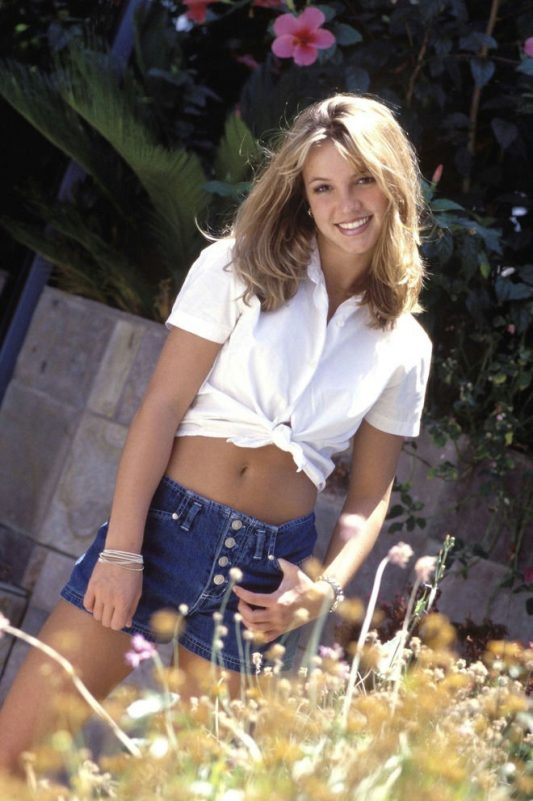

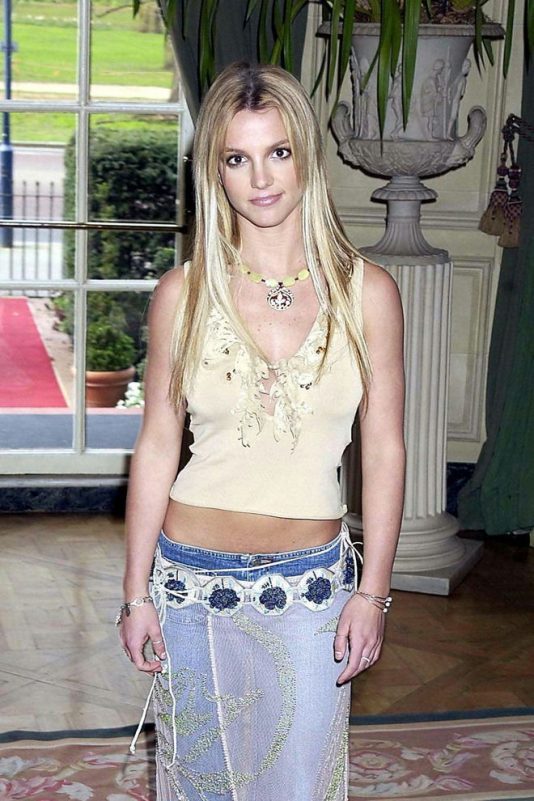
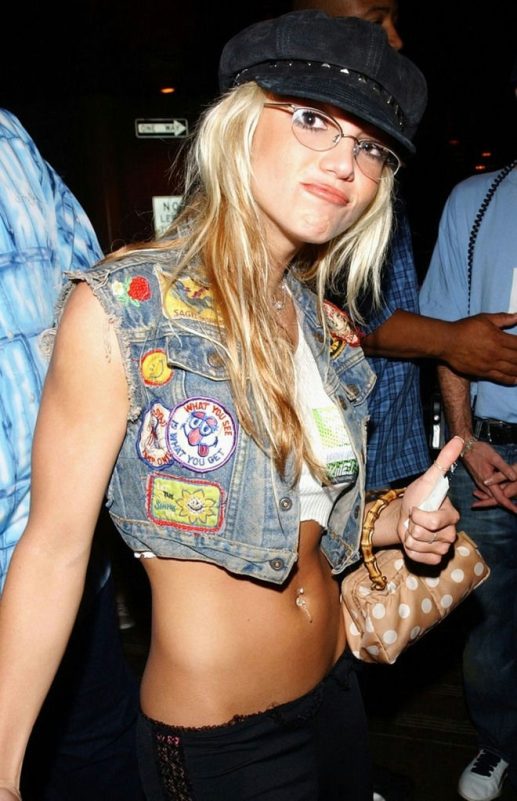
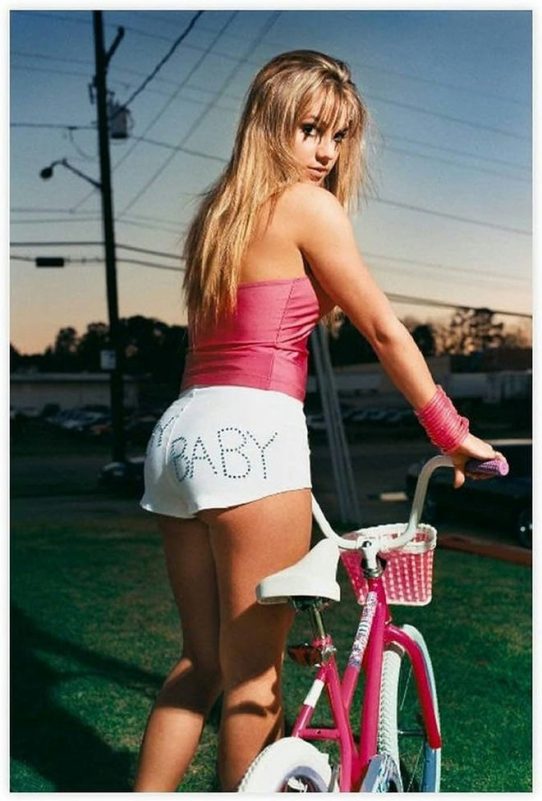
Britney Spears in her youth was more than just a pop idol—she was a living legend whose beauty, style, and music continue to inspire generations. Her reign as the ultimate “pop princess” remains one of the brightest chapters in entertainment history.
Sources: K14
You must be logged in to post a comment.