
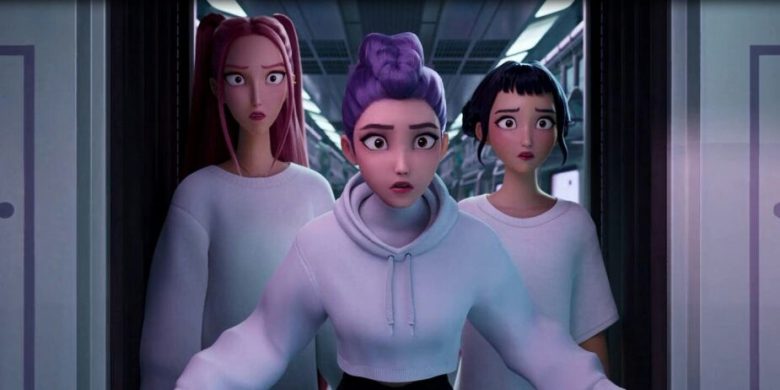
Sony’s animated film KPop Demon Hunters may have debuted as a flashy, upbeat adventure about K-pop idols moonlighting as demon slayers, but the surprising emotional weight and high death count are sparking fresh debate — especially following the shocking death of one of its central figures.
While much of the attention has been on Jinu, a demon tormented by centuries of trauma who sacrifices himself in the film’s climax, he is not the only casualty. By the film’s halfway mark, more than a dozen characters, including a train full of passengers and even a young fangirl, have met tragic ends.

One scene that has resonated strongly online involves a devoted Rumi x Jinu shipper — a teenage girl who briefly appears at a fan meeting, only to have her soul siphoned out by a demon while shopping. All that remains of her is the Saja Boys drink she had just taken from a fridge.
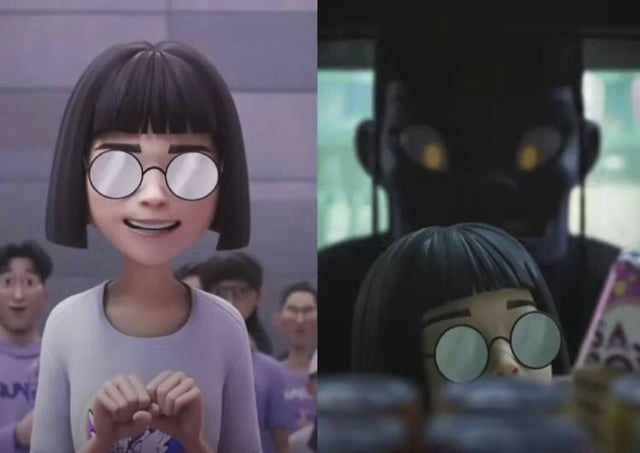
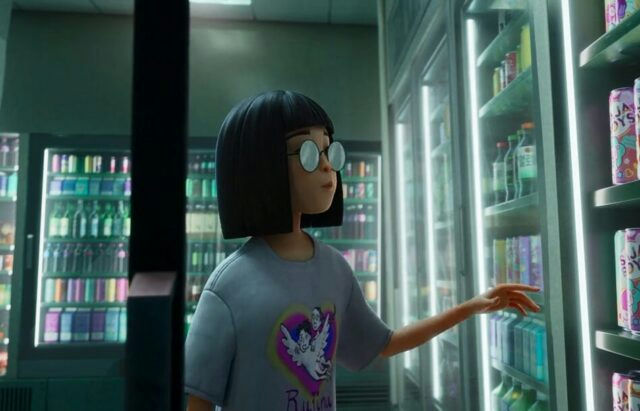
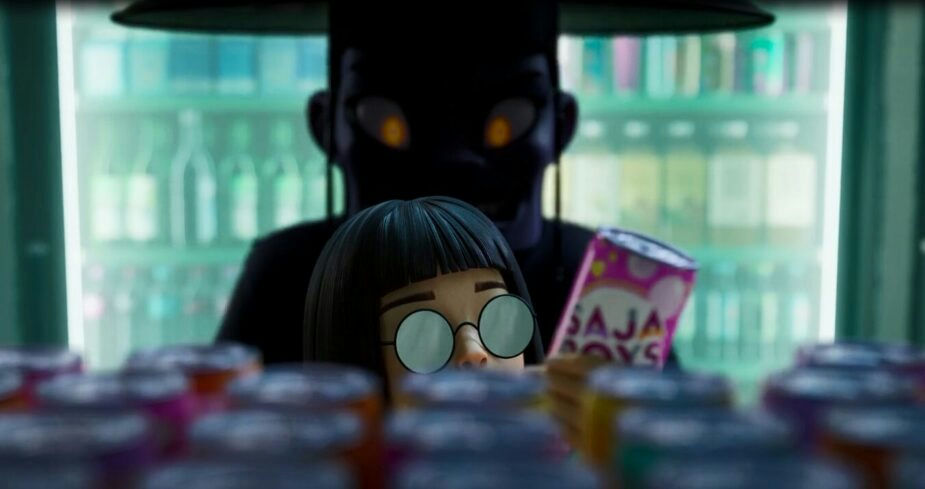

“As soon as she died, I knew Rujinu could never happen,” wrote one user on the r/KPopDemonHunters subreddit.
This post has ignited wider conversations about the film’s dark undertones, how HUNTR/X responded (or didn’t) to the mounting loss of life, and whether there’s room for spiritual redemption or revival arcs in potential sequels.
Some fans have even speculated that the team could retrieve lost souls by entering the spirit realm, especially if Gwi Ma—the demon king—were truly defeated instead of just sealed away.
Others praised the film’s bold narrative choices, suggesting that the innocent casualties heightened the emotional stakes and set KPop Demon Hunters apart from typical idol-centered stories.
Another widely discussed moment is Rumi’s reaction to the train tragedy. Some viewers wished for a confrontational scene between Rumi and Jinu before they perform “Free” together — a detail that has already inspired a wave of fan fiction and alternate endings.
With its potent mix of idol culture, dark fantasy, and soulful tragedy, KPop Demon Hunters has evolved into more than just a novelty animation—it’s a story that’s made viewers laugh, cry, and reexamine what K-pop storytelling can be.
Sources: Netizenbuzz
You must be logged in to post a comment.