

For years, K-pop project groups born from survival audition shows have followed a predictable arc: they explode in popularity, dominate charts and fandom spaces for a brief period, and then vanish once their short-term contracts expire. Groups like I.O.I, Wanna One and IZ*ONE, despite their immense success, all disbanded on schedule — leaving fans heartbroken and idols scrambling for the next stage of their careers. But now, the narrative may be shifting.
Kep1er Breaks the Mold
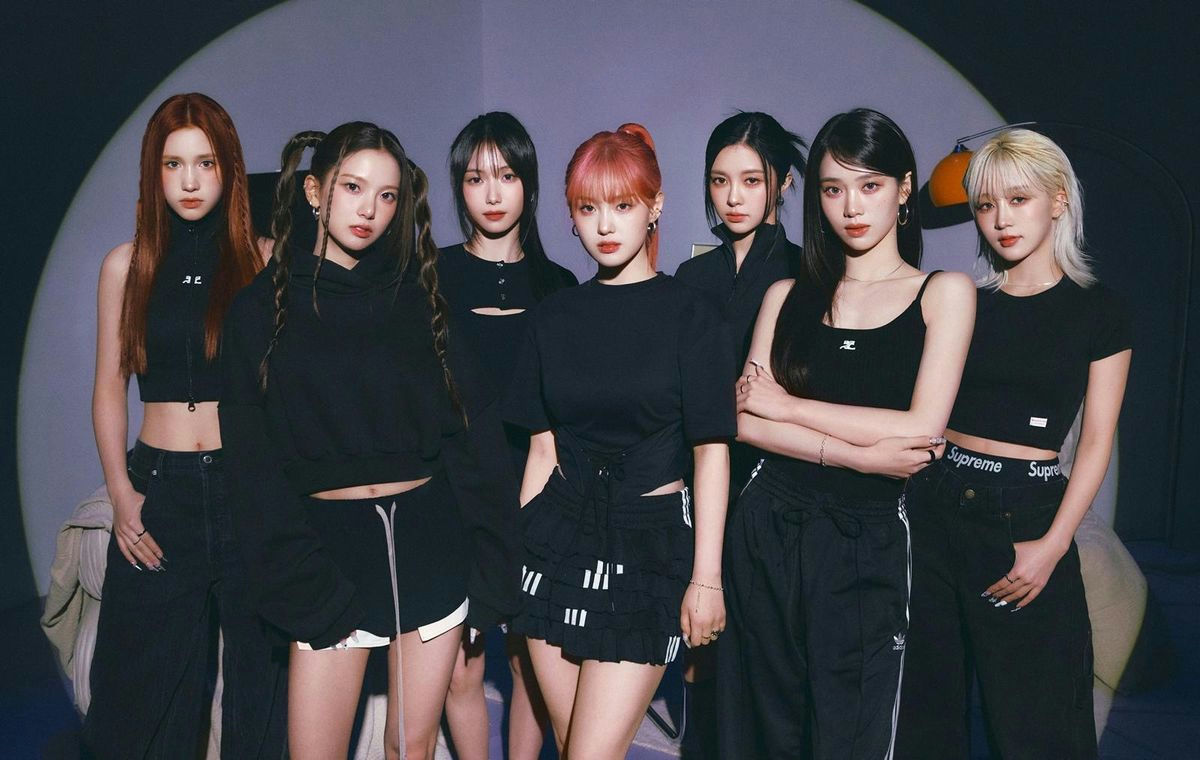
The first major crack in this long-standing pattern came in May 2024, when most members of Kep1er, the girl group formed through Girls Planet 999 (2021), renewed their contracts. While Mashiro and Kang Ye-seo departed, the remaining seven members secured extensions, allowing Kep1er to continue as a seven-piece group. Originally slated to disband after their July 2024 concert in Japan, the group instead set a precedent — proving that project groups could survive beyond their expiration date.
ZEROBASEONE in Renewal Talks
Following Kep1er’s move, ZEROBASEONE (ZB1) has become the latest project group to spark renewal discussions. Formed through Boys Planet in 2023, ZB1 consists of Sung Han-bin, Kim Ji-woong, Zhang Hao, Seok Matthew, Kim Tae-rae, Ricky, Kim Gyu-vin, Park Gun-wook and Han Yu-jin. The nine-member act debuted in July 2023 under a 2.5-year contract, with an official disbandment date of January 10, 2026.
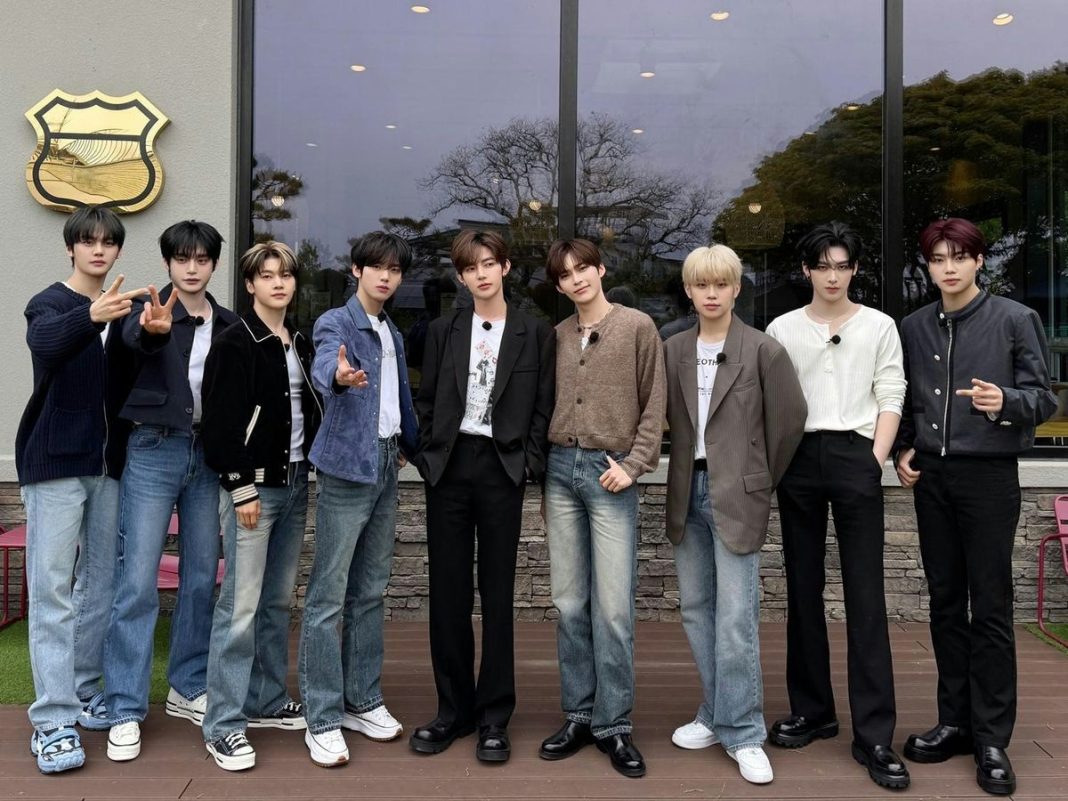
Since debut, ZB1 has become a five-time million seller, with every release surpassing one million copies. With such commercial success, fans have long speculated that a contract extension might be possible. WAKEONE, the group’s agency, confirmed those suspicions, telling media outlets it had been in “serious talks” with each member’s agency since early 2025 and that it “highly values the group’s potential and growth prospects”.
While no final decision has been announced, the acknowledgment alone has given fans hope that the group’s fate may not be sealed.
The Economics of Survival Show Groups
Traditionally, the short-lived nature of project groups has been rooted in business. Members are drawn from different agencies, and while the project group is active, those agencies cannot deploy their idols for other revenue-generating activities. Once the contract ends, companies usually prefer to redirect their trainees into in-house groups they can fully manage and profit from.

This is why many idols from project groups quickly re-debut elsewhere — I.O.I’s members, for example, went on to join acts like Weki Meki, gugudan, DIA and Pristin.
However, the industry is beginning to recognize the value of sustaining strong fandoms built through survival programs. Disbanding a group risks scattering loyal fanbases, while extending a contract (even with lineup changes) allows companies to continue capitalizing on a proven brand.
A New Model for the Future?
“Agencies want to keep control over idol intellectual property they’ve invested heavily in, and fans increasingly want to see their favorites stay active regardless of agency affiliation,” music critic Mimyo told local media. “Those interests are now aligning, and we’ll likely see more creative renewal models emerge to keep idols performing.”
If Kep1er’s contract renewal was the first step, and ZB1 successfully follows suit, K-pop may be entering a new era where project groups no longer feel as fleeting. Instead, survival show acts could evolve into semi-permanent fixtures in the industry, rewriting the rules of how these groups live — and how long they last.
Sources: Koreatimes
You must be logged in to post a comment.