
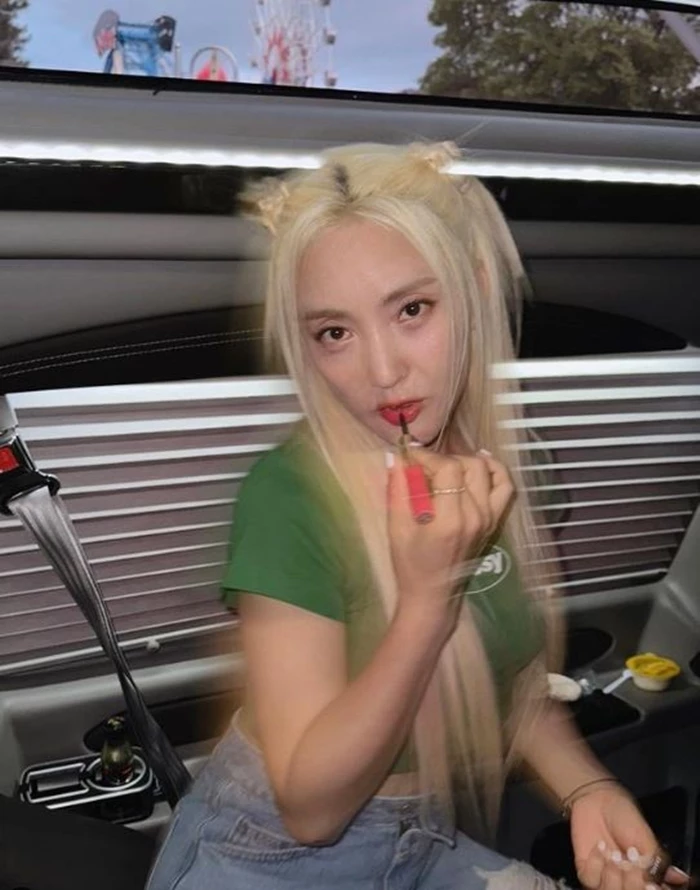
On August 5, Bada posted a handwritten letter on her personal social media, expressing remorse: “I sincerely apologize to everyone who felt disappointed by this incident. I promise to approach all future activities with greater responsibility.”
The controversy erupted after Bada claimed in a YouTube content video, “I first saw this in Australia. It’s really popular there.” Viewers quickly discovered the product was not made or widely known in Australia, sparking criticism and concerns about misleading advertising.
Bada later admitted the comment was misleading: “I’m ashamed that I didn’t review and assess the content more carefully. My statement caused confusion and disappointment, and I deeply regret it.” Her management agency, Wave Nine, also issued a statement assuming responsibility and clarifying that Bada was simply reading from a script provided by the content’s production team:
“The video was a pre-recorded advertisement based on a scenario. Bada’s remarks were scripted and included subtitles. She had no prior knowledge of the product and no intent to deceive viewers.”
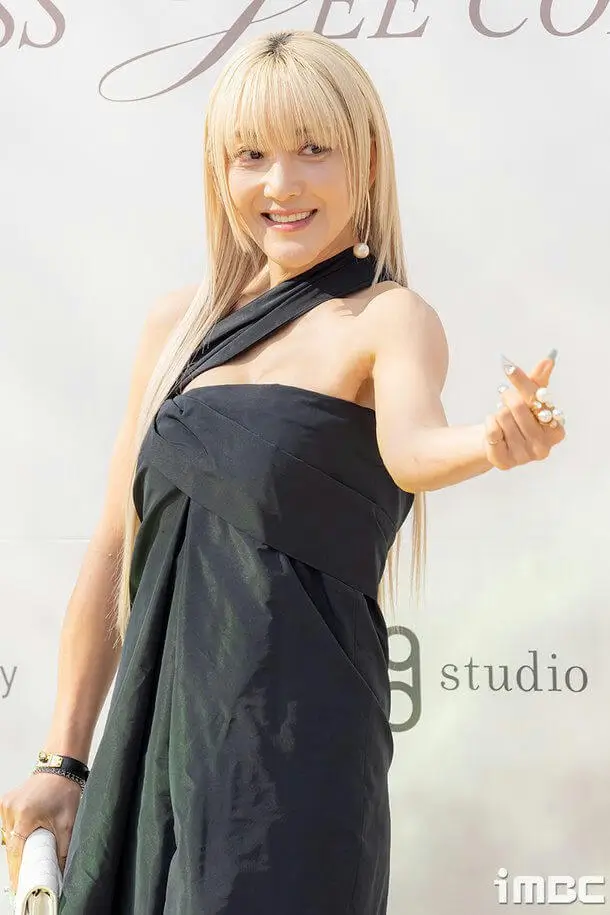
The agency added that it has now cut ties with the content channel involved and is preparing legal action against both the cosmetics company and the external production team:
“We regret our failure to conduct a thorough review. We are now pursuing legal measures to protect our artist from false advertising exploitation and reputational harm.”
This incident has reignited discussions around celebrity endorsements, scripted product placements, and the responsibility of agencies to vet content before public release. While Bada’s apology has been welcomed by fans, many are now demanding greater transparency in influencer and idol promotions.
Sources: nate
You must be logged in to post a comment.