
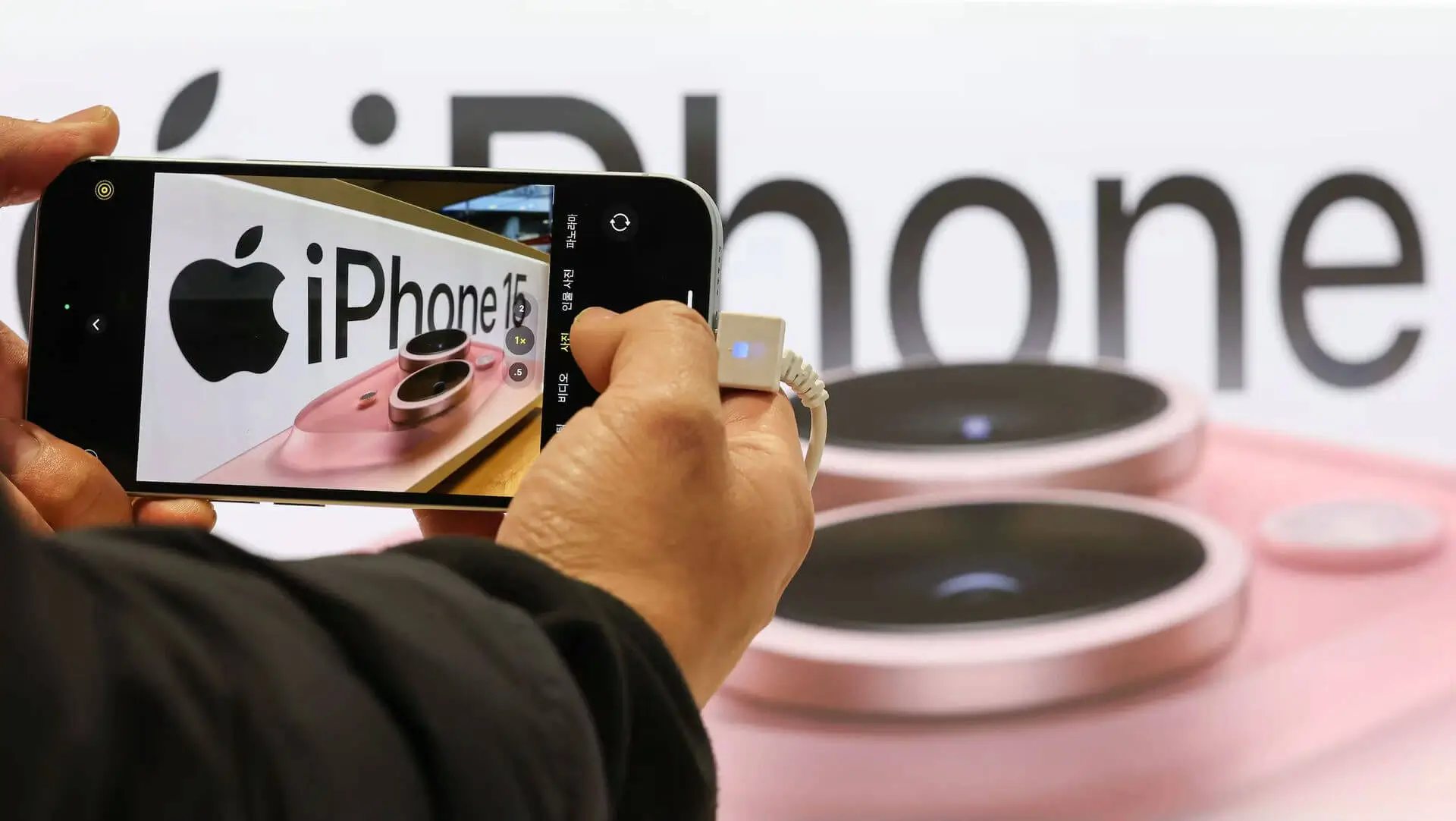
For years, iPhone users in South Korea have looked at Samsung Galaxy users with envy—basic functions on Galaxy devices felt like luxuries on Apple’s ecosystem. But with recent developments like Apple Pay expansion, call recording, and public transportation integration, the iPhone is finally becoming a “truly Korean-friendly device.”
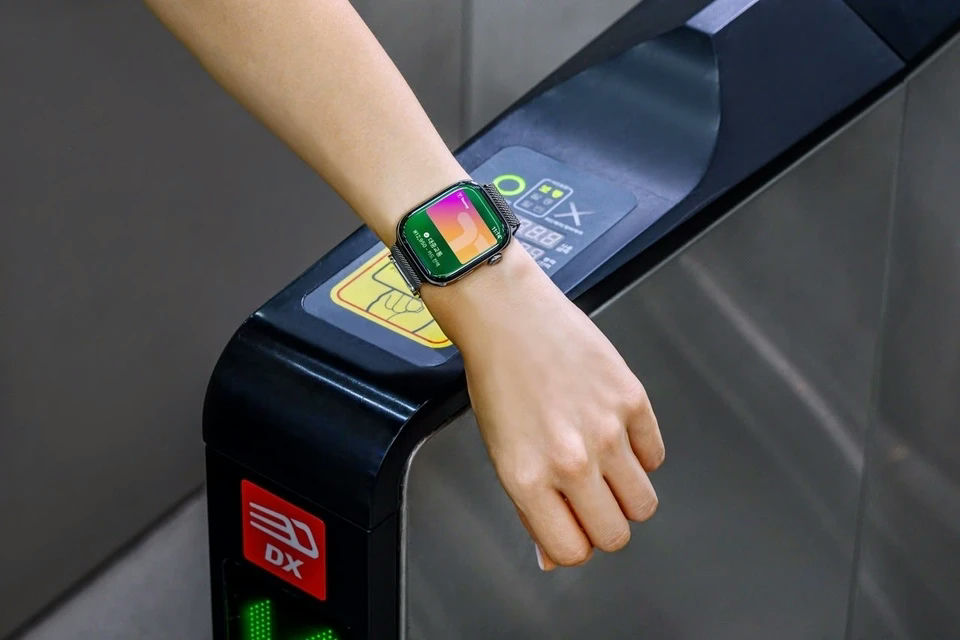
According to the Korean Herald, on July 22, Apple and T-money officially launched nationwide transit card support for iPhone and Apple Watch users. This was long considered the “missing puzzle piece” that had made the iPhone feel “incomplete” in the Korean market.
An Incomplete Premium Experience
In Korea, Samsung Galaxy users enjoy full-featured conveniences: Samsung Pay’s MST technology allows payments at nearly any store, transit card compatibility lets users tap to ride buses and subways, and call recording is seamless —a crucial feature for many professionals.
“I use a Galaxy because I have to. People think Samsung Pay is just a perk, but not being able to record calls is a dealbreaker. In my line of work, every deal happens over the phone. If I can’t record it and something goes wrong, I’m responsible,” said Kim Min-seok, a sales manager in Seoul.
In South Korea, recording a call without the other party’s consent is legal and admissible in court which contradicts Apple’s global privacy policies. Even though iOS 18.1 now includes call recording in the default Phone app, it notifies the other party, making it essentially useless in Korea.
To work around this, SK Telecom launched an app in October 2023 called “A.”, enabling call recording and AI-generated summaries, searchable transcripts, and categorized playback. Kim, who recently switched to an iPhone 15, noted: “It works, but it’s still not Galaxy-level. On a Galaxy, you just press a button.”
Late to the Payment Game
Samsung Pay, launched in 2015, quickly became the mobile payment standard in Korea. It supports nearly all credit cards and works on almost any terminal, even those without NFC.
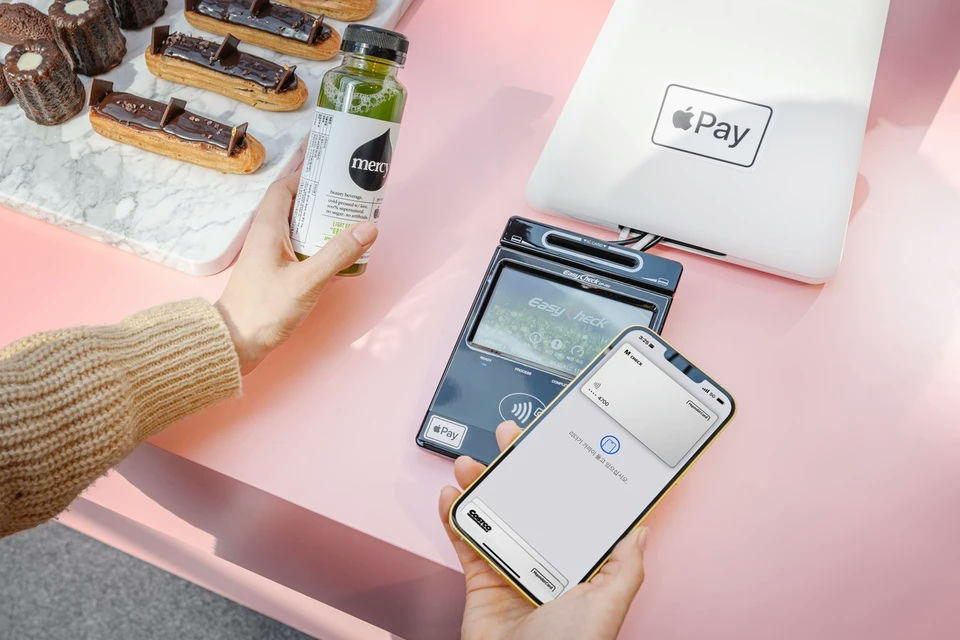
Apple Pay, by contrast, depends on NFC and only entered the Korean market in March 2023 nine years after its global debut through Hyundai Card. Initially, it worked with a limited number of cards and at select stores only.
Shim Hyun-jung, Hyundai Card’s communications director, described the launch as “technically successful but commercially limited.” She added, “Korean users waited a long time, but local infrastructure and financial systems needed time to adapt.”
Apple Pay did generate a surge in Hyundai Card sign-ups, especially among younger users. However, its growth stalled due to Apple’s transaction fees, which deterred other card issuers. As of now, it remains exclusive to Hyundai Card in Korea.
Trading Convenience for the Apple Ecosystem
Still, not all users feel disadvantaged. “I never thought my iPhone lacked anything. I don’t consider Apple Pay a must—I always carry a wallet,” said J.Y., a university student in Seoul who has used iPhones since high school. She prefers Apple products for their design and seamless ecosystem with her iPad and MacBook.
This reflects a broader generational divide: in Gallup Korea’s 2024 survey, 75% of women in their 20s use iPhones, compared to 55% of men. Among young users, especially women, iPhones dominate despite lacking native Korean features for years.

But for others, those missing features were a dealbreaker. The Asamo community (short for “iPhone users” in Korean) on Naver Cafe, with over 2.3 million members, became a hub for workarounds, tips, and frustrations.
“We’re not trying to bash Apple. We just want our phones to work the way Koreans need them to,” said Jang Soo-min, a marketing specialist and long-time Asamo admin. “Galaxy users could pay, commute, and record calls easily. We had half the features on the same hardware.”
When Apple Pay and T-money transit integration launched, Jang was among the first to set it up. “This is the Korean Apple ecosystem I’ve been waiting for. Nothing new—just finally complete,” he said.
Despite finally catching up on features, Apple’s market share in Korea remains 24% as of July 2025, according to Gallup Korea. Samsung still dominates with 72%.
“This won’t suddenly convert Galaxy users. People who wanted iPhones already bought them. Their lives are just more convenient now,” said Hwang Ah-yeon of the Korea Consumer Agency.
znews
You must be logged in to post a comment.