
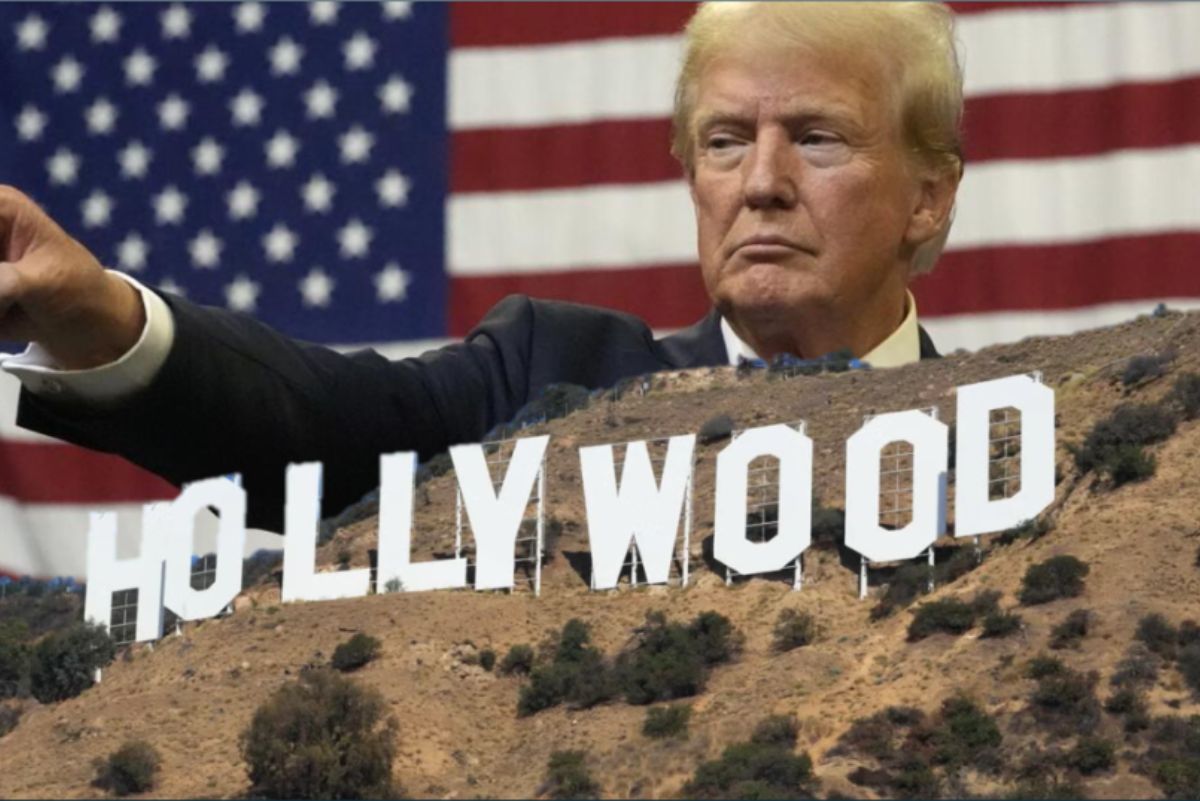
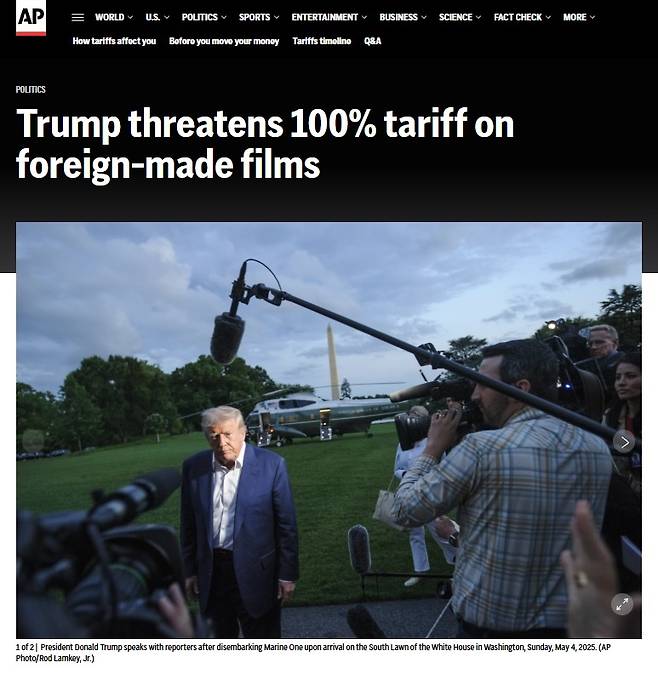
On May 5, 2025, U.S. President Donald Trump announced a sweeping policy targeting Hollywood productions filmed outside the United States. Declaring foreign-made U.S. films a “national security threat,” Trump revealed that he has authorized a 100% tariff on all such productions.
Writing on Truth Social, Trump stated:
“The Movie Industry in America is DYING a very fast death. Therefore, I am authorizing the Department of Commerce, and the United States Trade Representative, to immediately begin the process of instituting a 100% Tariff on any and all Movies coming into our Country that are produced in Foreign Lands.”
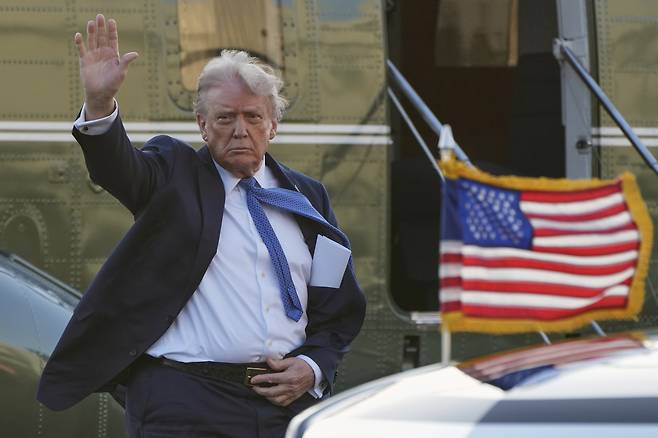
He accused foreign governments of luring U.S. studios abroad with tax incentives and cheaper labor, which he framed as a “coordinated effort” to undermine the domestic film economy.
Why the Tariff?
According to Trump, major U.S. studios have increasingly chosen to film in countries like the UK, Canada, Hungary, Australia, and New Zealand, where production costs are lower and incentives are higher. This trend, exacerbated by recent challenges like the pandemic, Hollywood strikes, and California wildfires, has reportedly cost thousands of American crew members their jobs.
“We want movies made in America, again,” Trump declared, echoing his campaign slogan style.
Industry Reacts with Caution
While some supporters believe the tariffs could incentivize studios to return to domestic sets, others are skeptical. Critics argue that the global nature of film production, especially in the age of streaming, makes the policy nearly impossible to enforce.
Questions remain:
- Would the tariff apply to streaming content filmed abroad?
- How would co-productions or partially foreign-shot films be classified?
- Could this provoke international retaliation, harming the global box office for U.S. films?
Former U.S. Commerce official William Reinsch from the Center for Strategic and International Studies warned,
“There’s more to lose than gain. Hollywood could collapse under this model.”
The New York Times also pointed out the ambiguity of treating movies — as intellectual property — as physical imports eligible for tariffs.
Background: Films Already Going Global
Blockbusters like the upcoming Minecraft movie and Mission: Impossible – The Final Reckoning were filmed largely outside the U.S., reinforcing the trend Trump wants to reverse. A survey by The Hollywood Reporter previously showed that major studio executives rank the U.S. behind several other countries as a preferred filming location.
Although Trump cited authority under Section 232 of the Trade Expansion Act, which allows tariffs on imports threatening national security, it’s unclear how or if this policy would be implemented if he does not hold office.
As the entertainment world watches closely, Hollywood’s future — and its global partnerships — hang in the balance.
You must be logged in to post a comment.