
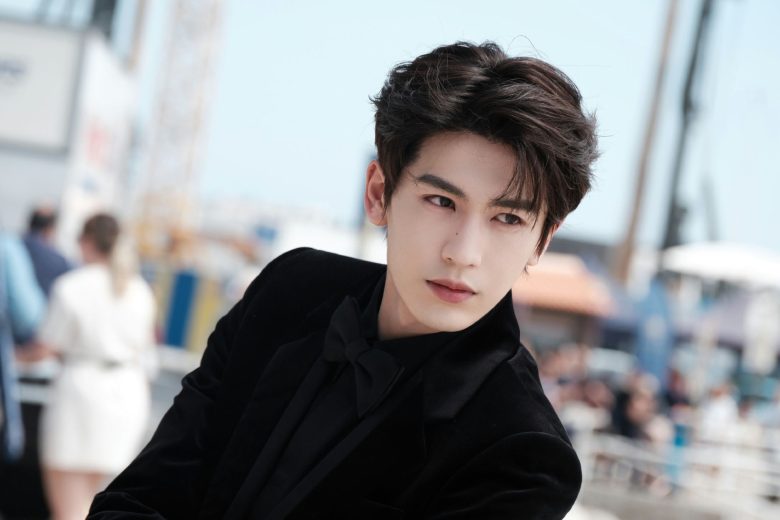
Chinese actor Zhang Linghe has unexpectedly found himself at the center of a growing debate about artificial intelligence in the entertainment industry, following a presentation by streaming giant iQIYI that left audiences both impressed and uneasy.
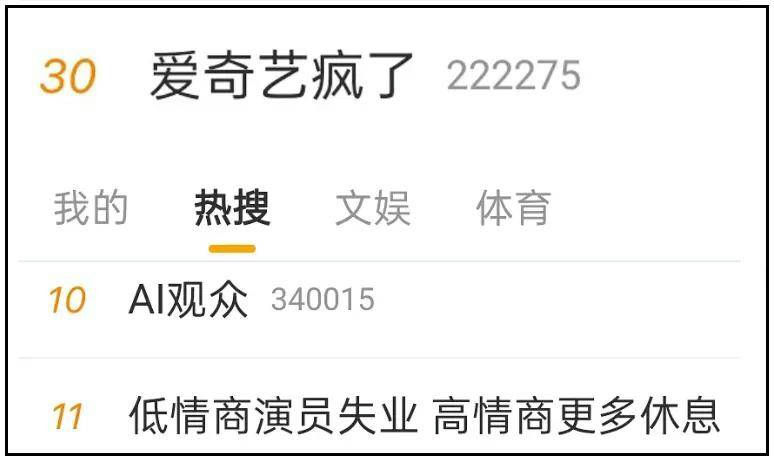
At an investment event held in Beijing on April 20, iQIYI CEO Gong Yu introduced a new AI-powered production tool called Na Dou Pro, declaring that the “AI-ization” of film and television is inevitable. He went as far as to suggest that productions featuring real actors could become increasingly rare in the future, potentially turning into a form of “intangible cultural heritage.”
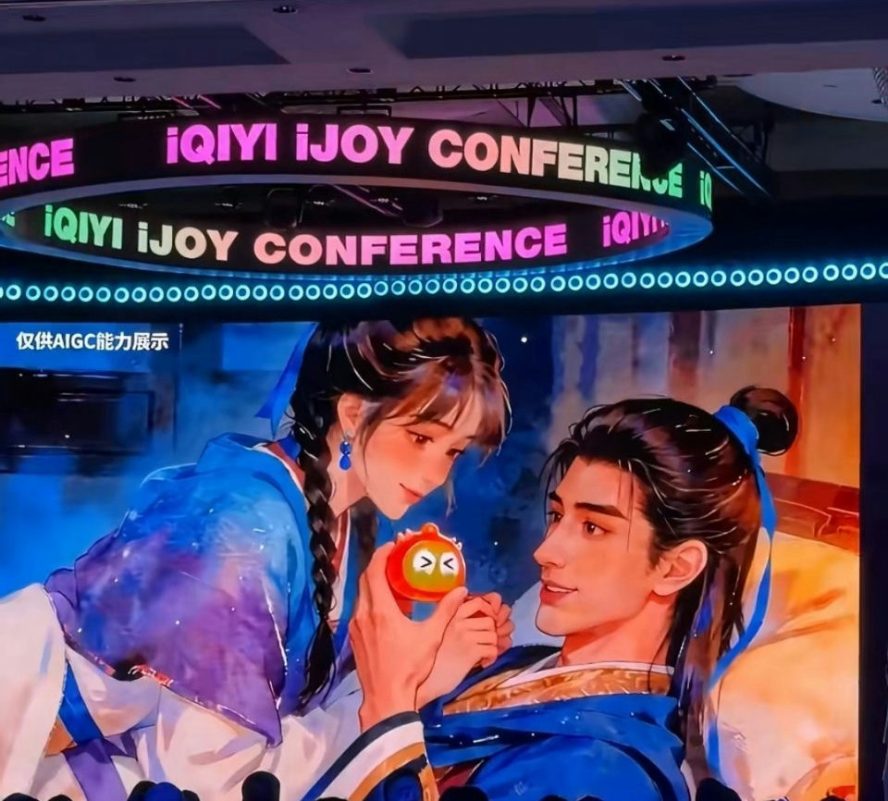
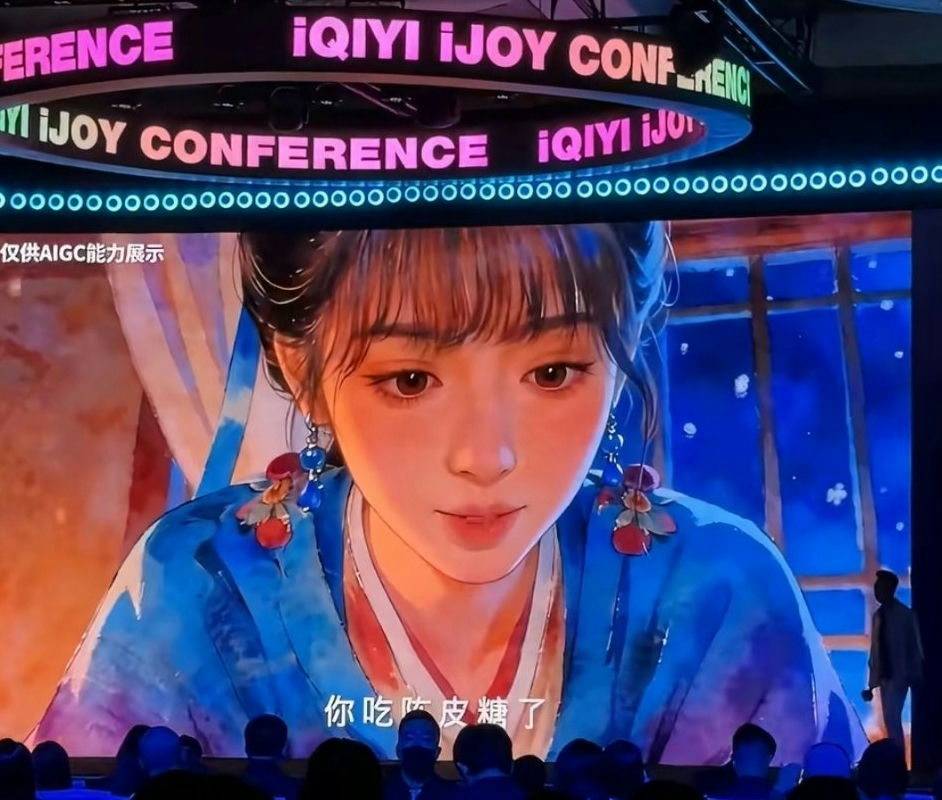
To demonstrate the technology, iQIYI showcased a promotional video built using scenes and characters from the hit historical drama Zhu Yu, which stars Zhang Linghe and Tian Xiwei. While the footage initially appeared familiar, viewers quickly noticed a twist: the characters were seamlessly transformed into advertising models, promoting products through AI-generated movements and expressions—without the actors physically մասնակցing.
The demonstration immediately sparked controversy. Many viewers were surprised that a platform which had previously collaborated with Zhang Linghe and Tian Xiwei could reuse their on-screen characters for commercial purposes using AI. Since iQIYI holds distribution rights to Zhu Yu, it is technically able to utilize the intellectual property tied to the series—raising questions about the extent of actors’ control over their own likeness and performances.
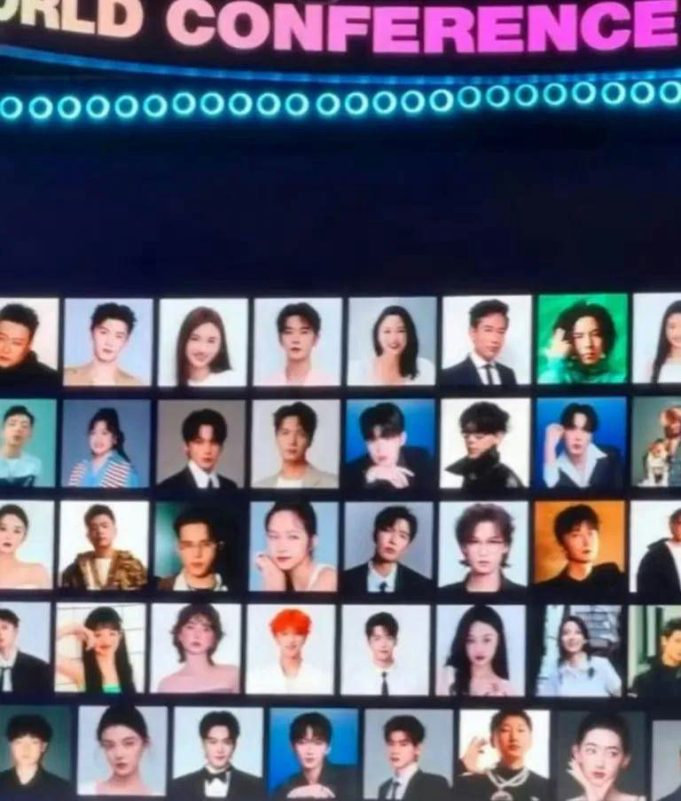
Some netizens even commented that the AI-generated version of Zhang Linghe’s character looked just as visually appealing as the real actor, while also being far more cost-effective than hiring top-tier stars for advertising campaigns. This perspective, however, has been met with strong backlash.
Critics argue that such practices could “take away jobs” from actors and potentially violate image rights, even if legally permitted through contracts. Others emphasized that, despite technological advancements, AI still lacks the emotional depth and authenticity that human performers bring to their roles.
The debate has also reignited broader concerns about the future of the entertainment industry. While AI offers efficiency and cost reduction, many fans insist that they will continue to support projects featuring real actors, rejecting AI-generated performances as lacking “soul.”
Meanwhile, Zhu Yu itself remains a major success. The drama quickly gained traction upon release, achieving strong viewership metrics and topping popularity rankings across platforms like Tencent Video and Douban. Its compelling storyline and the on-screen chemistry between Zhang Linghe and Tian Xiwei have been widely praised, further highlighting the human element that audiences fear losing.
As discussions around AI in film continue to intensify, Zhang Linghe’s case has become a symbol of a larger industry shift—one that could redefine the boundaries between technology and artistry in the years to come.
You must be logged in to post a comment.