
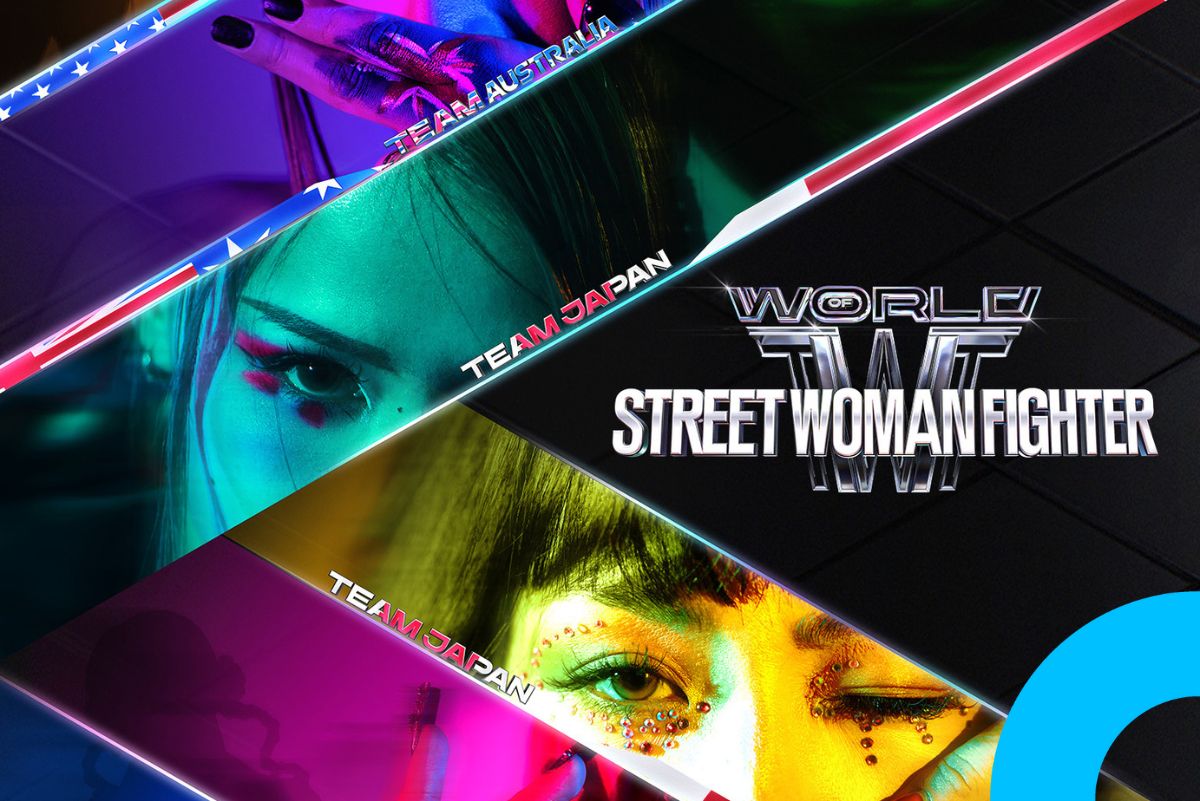
Mnet’s Street Woman Fighter (SWF) series has broken new ground in the realm of dance survival shows.
The first season in 2021 catapulted dancers like Gabee, Honey J, Aiki, Monika, and LIP J into stardom, solidifying Street Woman Fighter as a pop culture phenomenon. The franchise’s success continued with Street Woman Fighter 2 in 2023, cementing its brand identity. Now, in 2025, Mnet is reaching for global heights with World of Street Woman Fighter (WSWF), an international spin on the beloved format.

As the title suggests, World of Street Woman Fighter is a global dance competition featuring national teams. Korea is represented by “BUMSUP,” a dream team composed of season one leaders, while skilled crews from the U.S., Japan, New Zealand, Australia, and more join the fray. The show’s premiere on May 27 recorded a strong 2.0% viewership (Nielsen Korea, Seoul Capital Area households) and quickly dominated X (formerly Twitter) trends, topping non-drama popularity rankings.
Yet, despite the buzz, viewers were met with unexpected surprises—chief among them, Korea’s surprising underperformance. Contrary to expectations, BUMSUP was ranked fourth in pre-battle predictions by fellow contestants. In the first “Weakest Link Battle,” 12 dancers identified them as easy targets. Dancer Aliyah from AG Squad even stated, “BUMSUP is an easy win,” exposing a brutal reality check. Both Aiki and Gabee were visibly emotional over this dismissal.

Things didn’t improve in the “Ranked Mission” either. The moment when Honey J was chosen as the “worst dancer” became a flashpoint. Unlike other leaders who communicated fluently in English or Japanese, Honey J struggled with the language barrier—highlighting deeper systemic flaws.
This situation sparked criticism from Korean viewers. They questioned why Korean dancers should feel disadvantaged in a show produced in Korea simply due to language limitations. Despite PD Choi Jung-nam’s claim that they tripled translation staff for the global format, English and Japanese remained dominant on screen, inadvertently sidelining Korean speakers.

Editing choices added fuel to the fire. Emotional cuts, recycled conflicts, and heavy focus on BUMSUP’s losses painted the Korean team as the weakest link. The new scoring format—ranking only by number of losses rather than wins—further amplified structural bias against teams like BUMSUP.
Nevertheless, World of Street Woman Fighter has redeeming qualities. The diverse dance styles and cultural flair from international teams offer captivating visuals and meaningful exchange. The revenge battle between LIP J and Osaka Ojo Gang’s Ibuki—ten years in the making—was a standout moment of raw emotion and technical brilliance.
To truly succeed as a global show, World of Street Woman Fighter must recalibrate. A Korea-based production should naturally prioritize Korean language, while ensuring all dancers can express themselves comfortably. This requires not just translators, but a restructured narrative framework that respects linguistic and cultural diversity.

World of Street Woman Fighter is still unfolding. BUMSUP might stage a dramatic comeback. New global dance stars could emerge. But the show’s real legacy will hinge not on ratings or viral clips—but on whether it can become a genuine platform for deep cultural exchange.
You must be logged in to post a comment.