
On July 7, Argentina’s dramatic 3-2 comeback victory over Egypt in the Round of 16 at the 2026 FIFA World Cup was memorable not only for Lionel Messi and his teammates’ performance but also for the controversy that erupted after the final whistle.
The Egyptian Football Association (EFA) lodged an official complaint with FIFA after VAR ruled out Mostafa Zico’s goal for an earlier foul and after Egypt was denied what it believed should have been a crucial penalty. Head coach Hossam Hassan and several Egyptian players publicly accused the match officials of favoring Argentina, igniting heated debate across football communities worldwide.
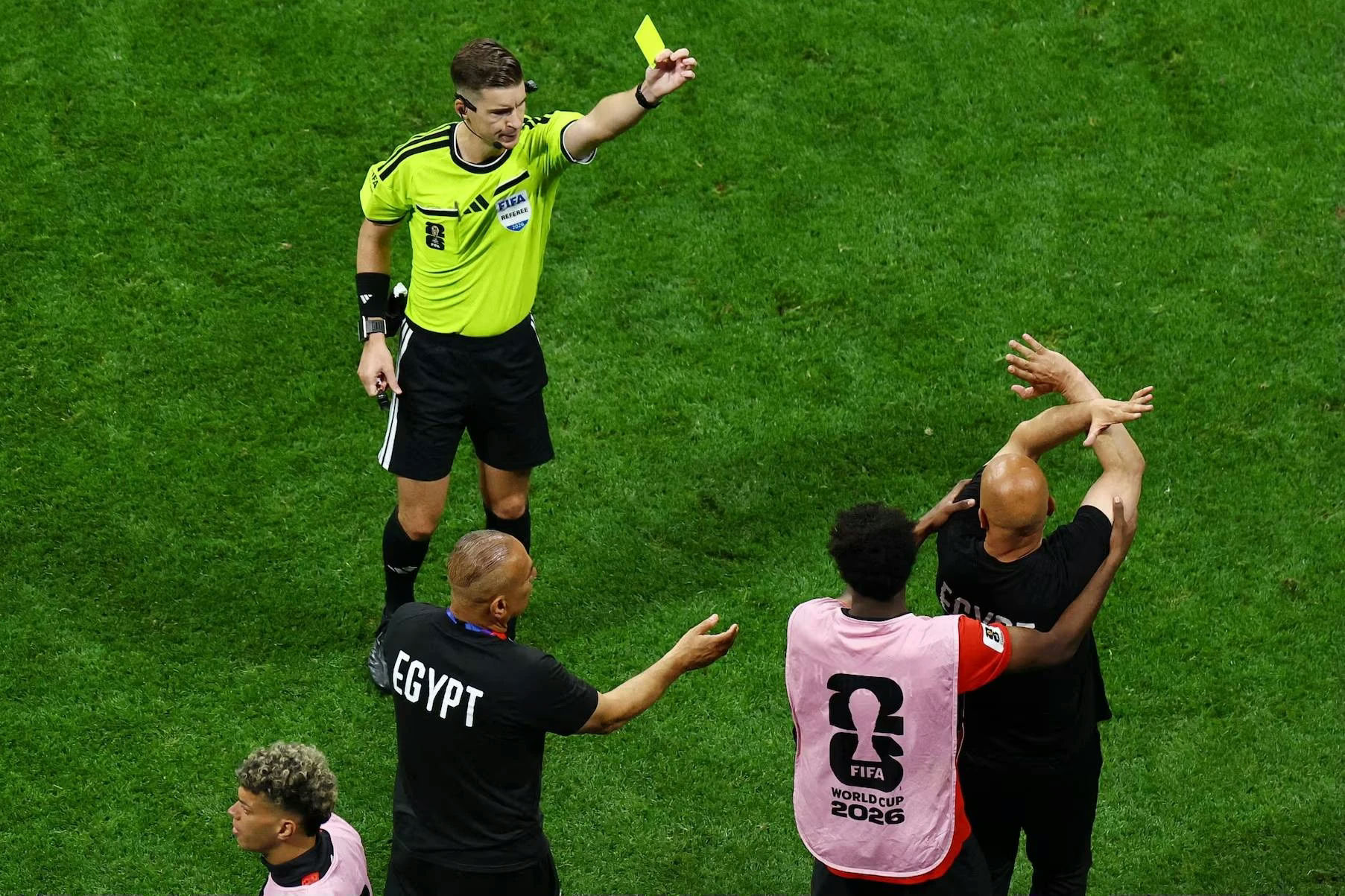
However, the incident was only the latest in a growing list of controversies surrounding the tournament. Even before the completion of the Round of 16, FIFA had already faced criticism over VAR decisions, refereeing, pitch quality, ticket prices, and the leadership of FIFA president Gianni Infantino.
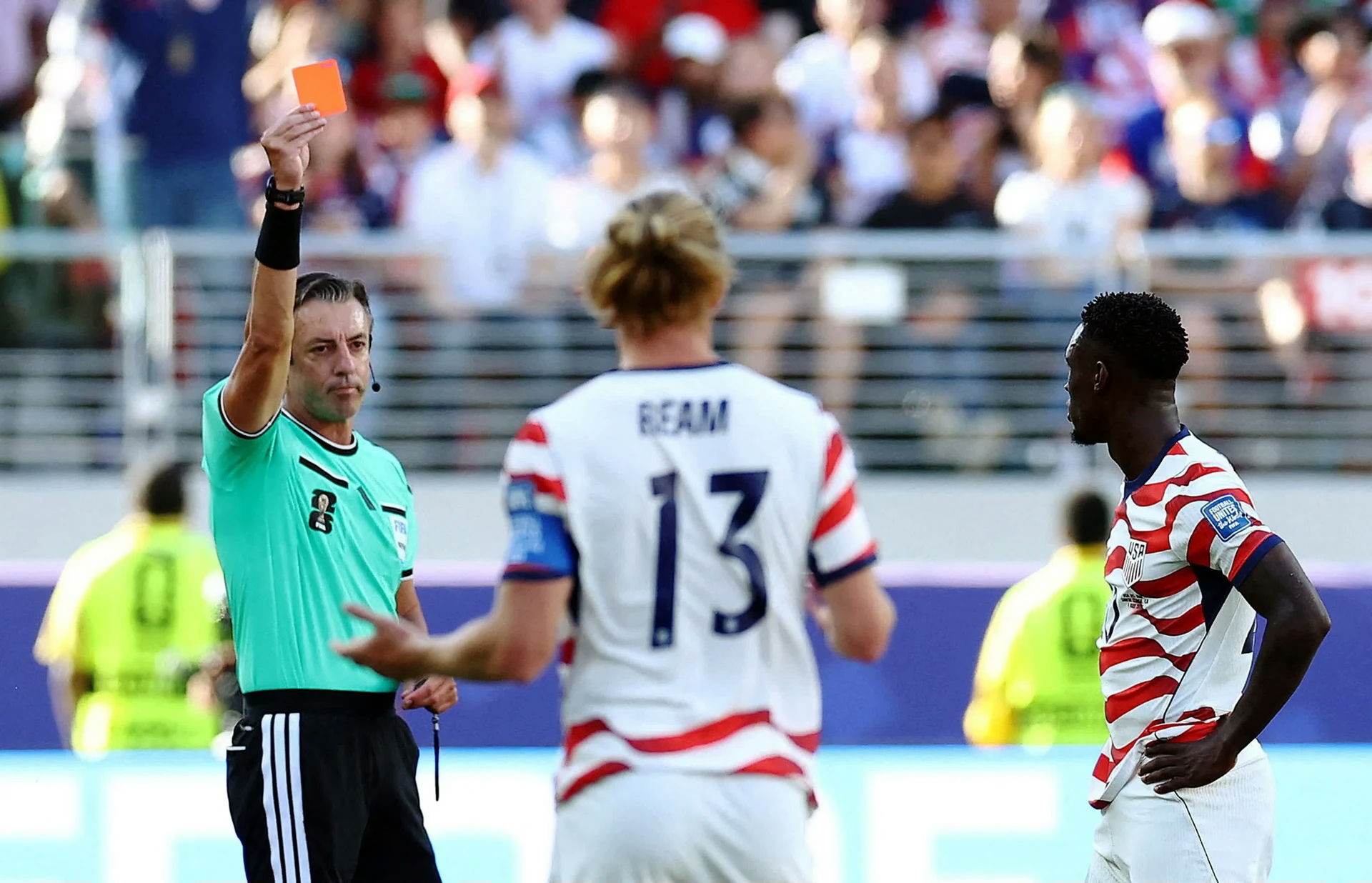
While the Argentina-Egypt match became the latest flashpoint, it was far from the first. One of the tournament’s biggest controversies involved United States forward Folarin Balogun, after FIFA unexpectedly postponed the enforcement of his suspension following a red card ahead of the match against Belgium. The decision drew sharp criticism from UEFA, which reportedly described it as unprecedented and difficult to justify, warning that it could undermine the tournament’s competitive integrity. According to Reuters, several European football associations and analysts also questioned FIFA’s disciplinary process and its independence.
The quality of playing surfaces also came under scrutiny. During France’s match against Senegal, players complained about the condition of the MetLife Stadium pitch. France midfielder Adrien Rabiot criticized the surface, saying it felt more like artificial turf because of its hardness and lack of bounce.
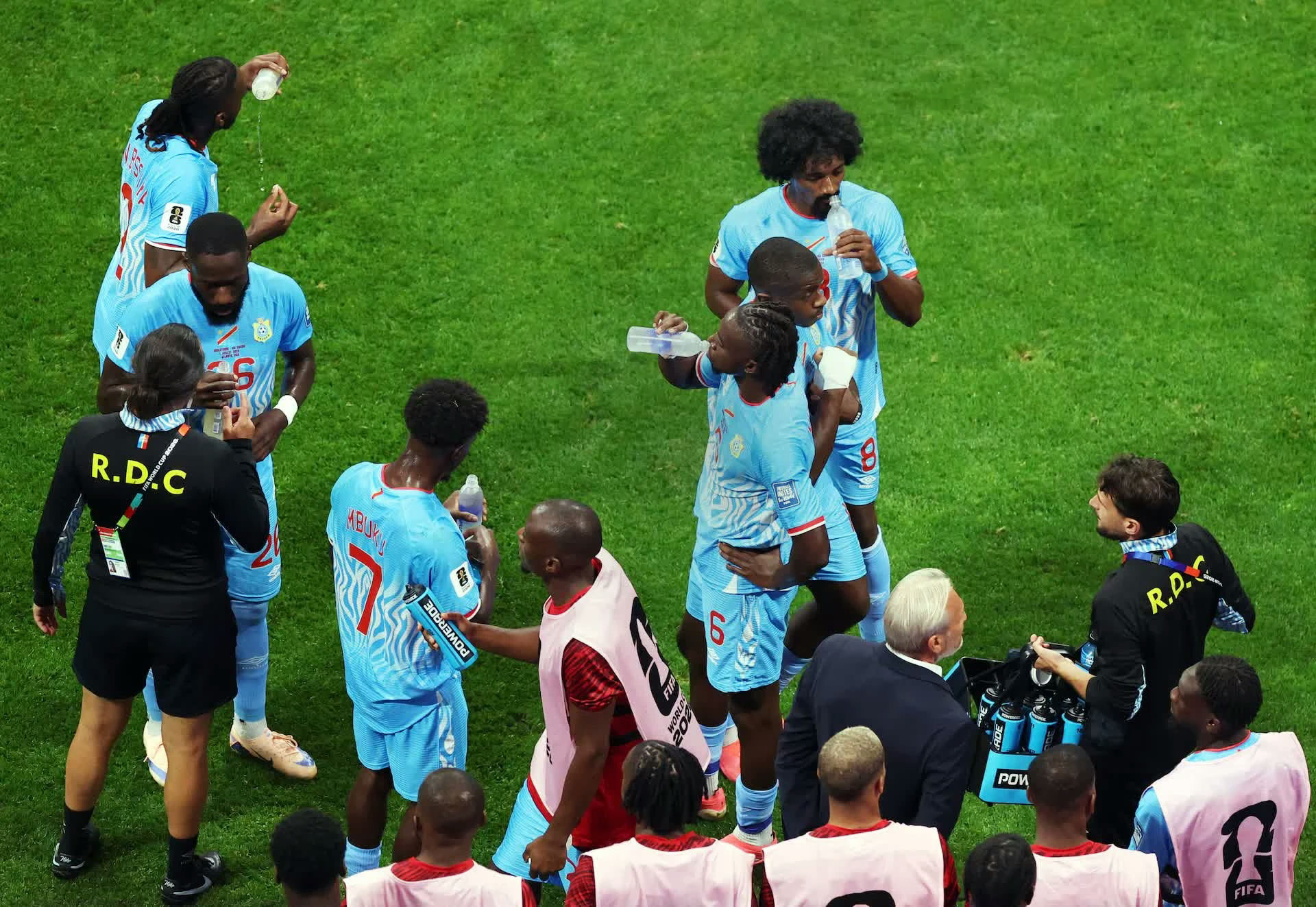
BBC commentators Guy Mowbray and Alan Shearer similarly argued that the pitch quality fell short of World Cup standards. Extreme summer temperatures across the United States also forced FIFA to introduce mandatory cooling breaks during several matches. Although widely viewed as an important player safety measure, some coaches argued that the stoppages disrupted the flow of games and created additional commercial opportunities for broadcasters and sponsors.
Off the pitch, supporters voiced frustration over expensive ticket prices, high food and beverage costs inside stadiums, and ticket distribution issues. Ahead of the tournament, FIFA president Gianni Infantino publicly defended the governing body’s pricing strategy, rejecting claims that commercial interests had been prioritized over fans.
Many observers believe the controversies reflect more than isolated refereeing mistakes. The 2026 FIFA World Cup is the largest in history, featuring 48 teams, 104 matches, and being hosted jointly by the United States, Canada, and Mexico.
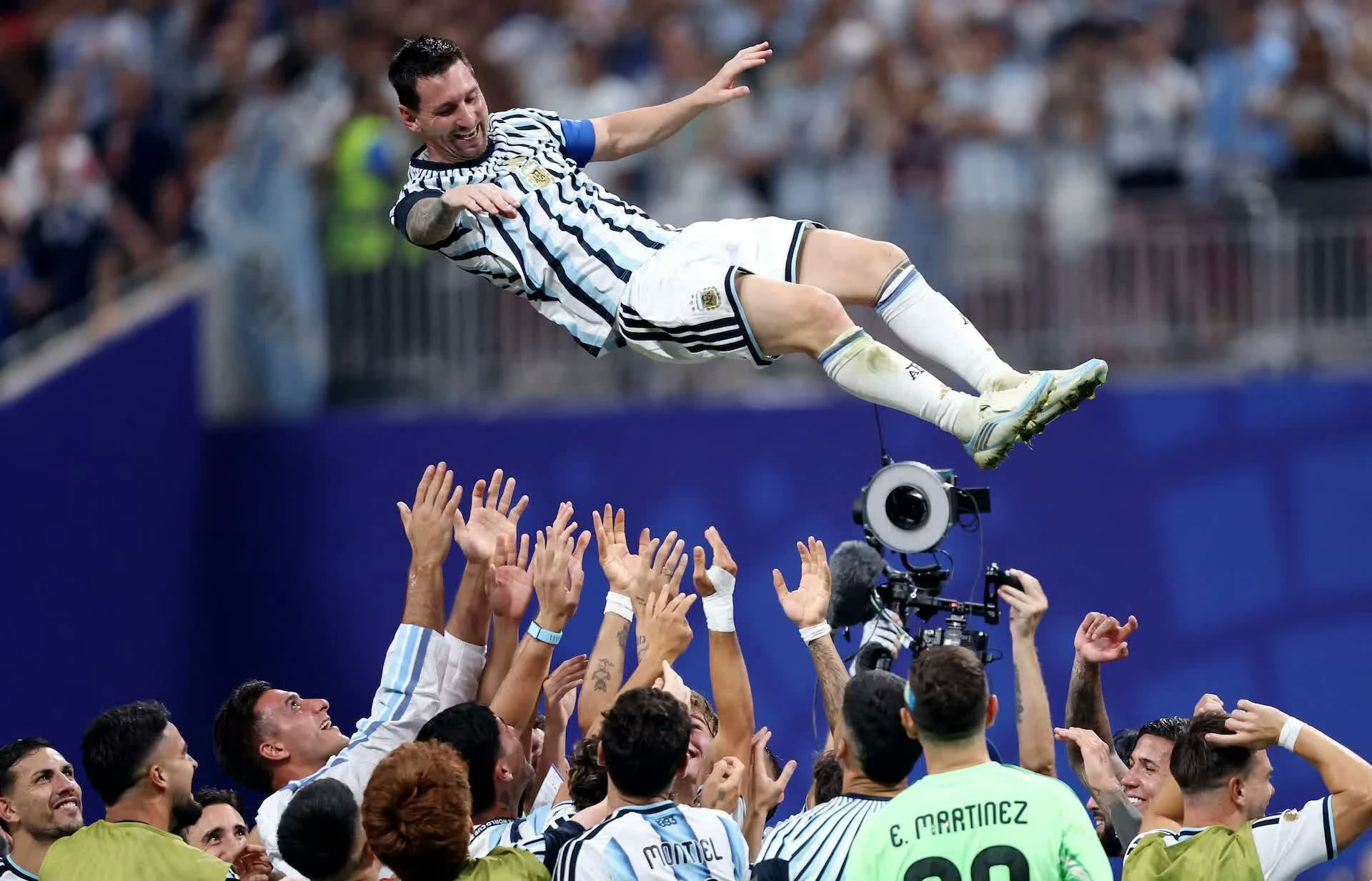
According to Reuters, while the expanded format has created more opportunities for smaller nations and produced unexpected results, it has also significantly increased organizational complexity—from scheduling and travel logistics to referee assignments and stadium conditions.
Larger tournaments also bring greater scrutiny. Issues that previously received limited attention—such as ticketing, scheduling, disciplinary decisions, and playing conditions—have become global talking points. The Balogun case, for example, evolved beyond a disciplinary issue into another chapter in the ongoing tensions between FIFA and UEFA over football governance.
Social media has further amplified every controversy. Within minutes of disputed incidents, countless replay clips, tactical breakdowns, and fan reactions spread across platforms like X, TikTok, and YouTube. National federations, coaches, and players are also quicker than ever to voice their opinions, ensuring that almost every controversial decision becomes an international debate.
As The New Yorker observed, World Cup 2026 has been shaped by far more than football itself, making the overall fan experience more complicated than in previous editions. The tournament has still delivered memorable matches and unforgettable moments. But for perhaps the first time in years, FIFA itself has become one of the biggest stories of the World Cup rather than simply the organization behind it.
Sources: Znews
You must be logged in to post a comment.