
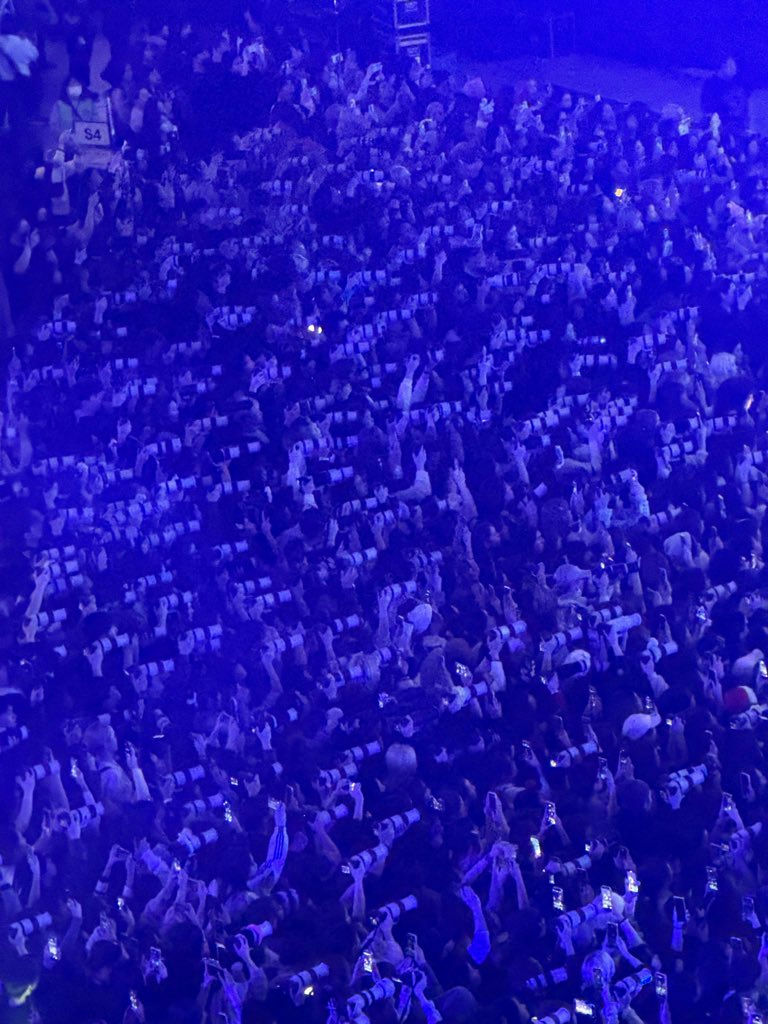
In K-pop, fansite masters dedicated fans who attend events with professional-grade cameras to capture high-quality photos and videos of idols have become inseparable from fandom culture. Wherever idols appear, fansites are often close behind, armed with large lenses and years of experience producing polished content for fellow fans.
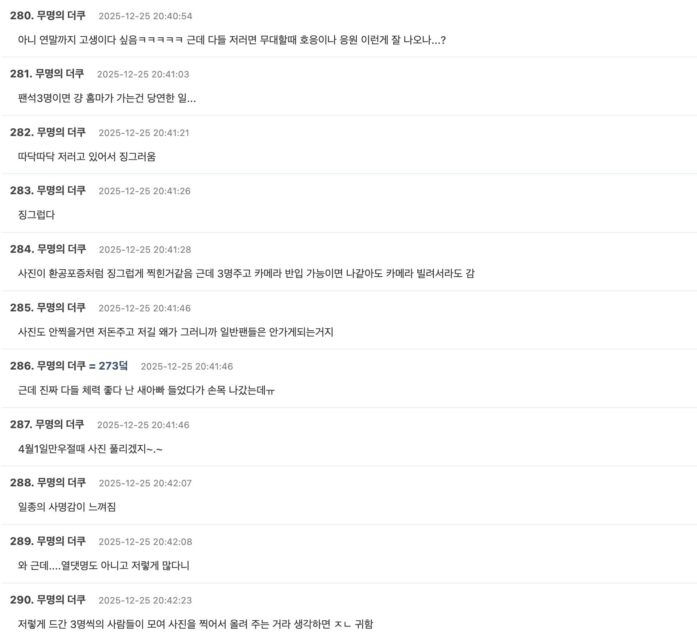
The 2025 SBS Gayo Daejeon held on December 25, 2025 (KST) was no exception. During the event, a photo showing an overwhelming number of fansite cameras packed tightly together in the audience began circulating online. Shared on X (formerly Twitter), the image quickly surpassed 6.8 million views and spread across Korean online communities such as theqoo, triggering thousands of reactions.
Many viewers were stunned by the sheer scale of the scene. Some expressed awe at the level of dedication, joking that camera companies must be profiting immensely from K-pop fandom. Others admitted they felt grateful, pointing out that nearly every K-pop fan has consumed fansite photos or videos at some point and that such content plays a major role in promoting idols.
At the same time, a significant number of netizens reacted negatively. Some described the image as unsettling or claustrophobic, comparing the rows of identical white camera lenses to a swarm or even something that triggered cluster phobia. Others questioned whether such heavy photography detracts from the live performance experience, wondering if fans behind the cameras could truly cheer, sing along, or emotionally connect with the stage.

The debate also touched on fairness and access. Since the SBS Gayo Daejeon reportedly allowed only a very limited number of audience seats per group, some argued that it was inevitable fansite masters would fill those spots. From that perspective, attending without taking photos might seem like a wasted opportunity, especially given the time and money required to secure entry.
However, critics countered that fansites can be disruptive, noting the constant sound of shutters, blocked views, and instances where photographers ignore requests from nearby fans to stop shooting and simply enjoy the show. Others went further, suggesting that such intense visual pressure could contribute to idols’ anxiety or discomfort on stage.
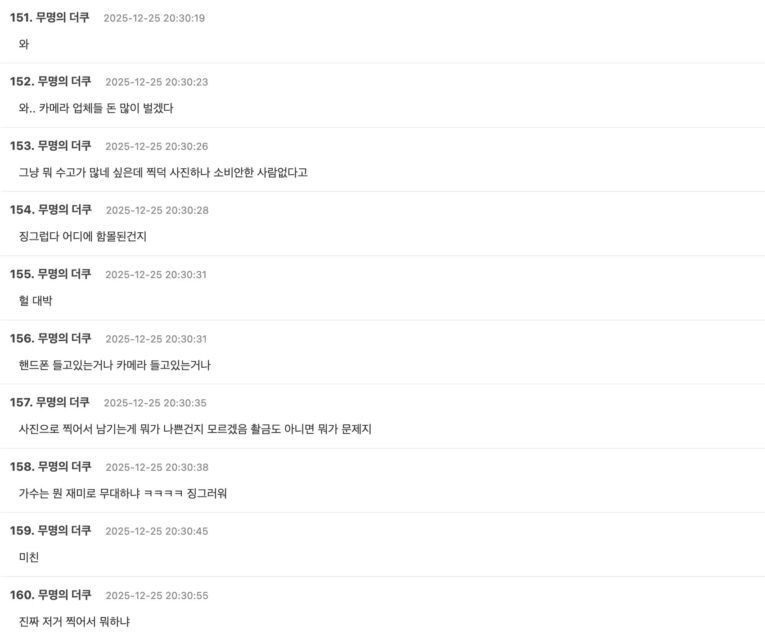
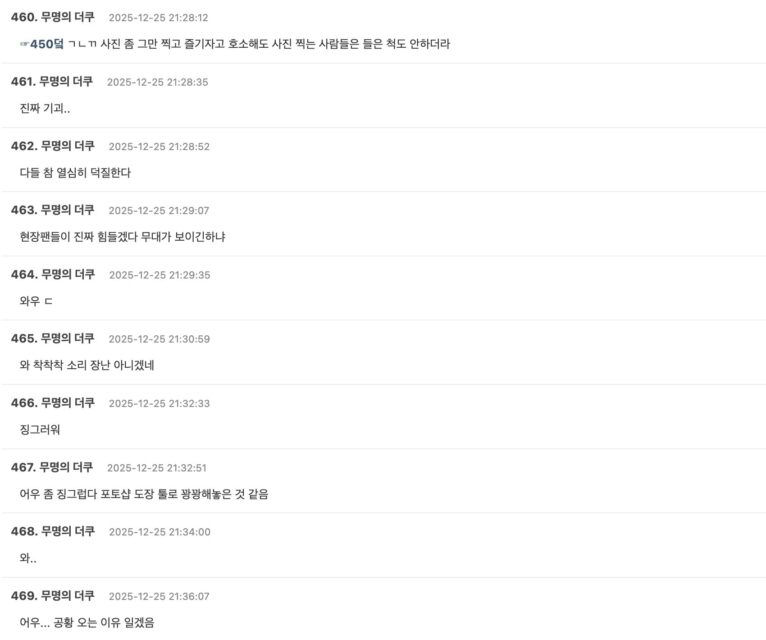
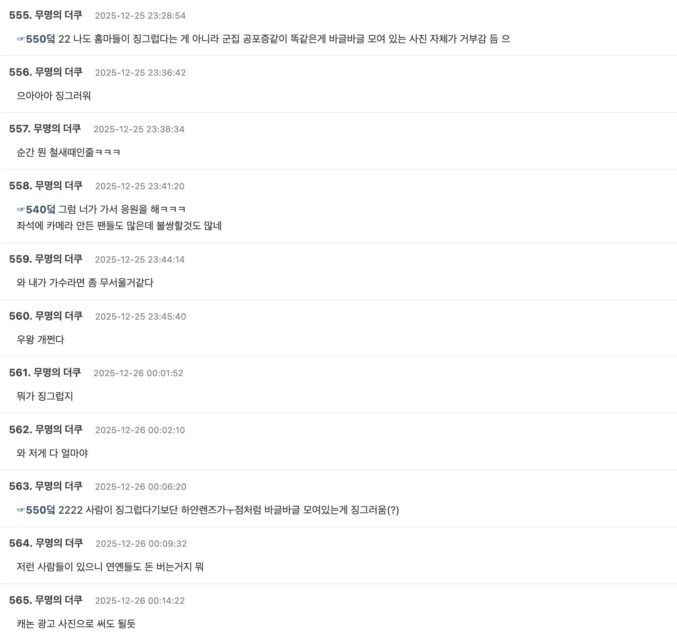
Still, defenders emphasized that fansites operate within the rules when photography is permitted, and that their work ultimately benefits both idols and fans by generating exposure, buzz, and long-lasting content. Some even remarked that the viral photo itself perfectly illustrates how valuable and influential fansite output has become in the K-pop ecosystem.
As opinions remain sharply divided ranging from admiration to discomfort the image has once again highlighted the complex relationship between idols, fansites, and the industry as a whole. Whether seen as dedication, obsession, promotion, or disruption, fansites continue to be one of the most debated and defining elements of modern K-pop culture.
Sources: Theqoo
You must be logged in to post a comment.