

TWICE has been officially announced as the first K-pop girl group to hold a solo concert at Tokyo National Stadium, a venue originally built for the Tokyo 2020 Olympics and boasting a capacity of up to 100,000. The news quickly surged through Korean online communities, triggering both astonishment and admiration.

Unlike the iconic Tokyo Dome — a well-established dream destination for Asian artists — Tokyo National Stadium sets a new bar in prestige and difficulty. Hosting a concert there requires not only massive popularity but also a robust and active fanbase capable of filling the colossal venue.
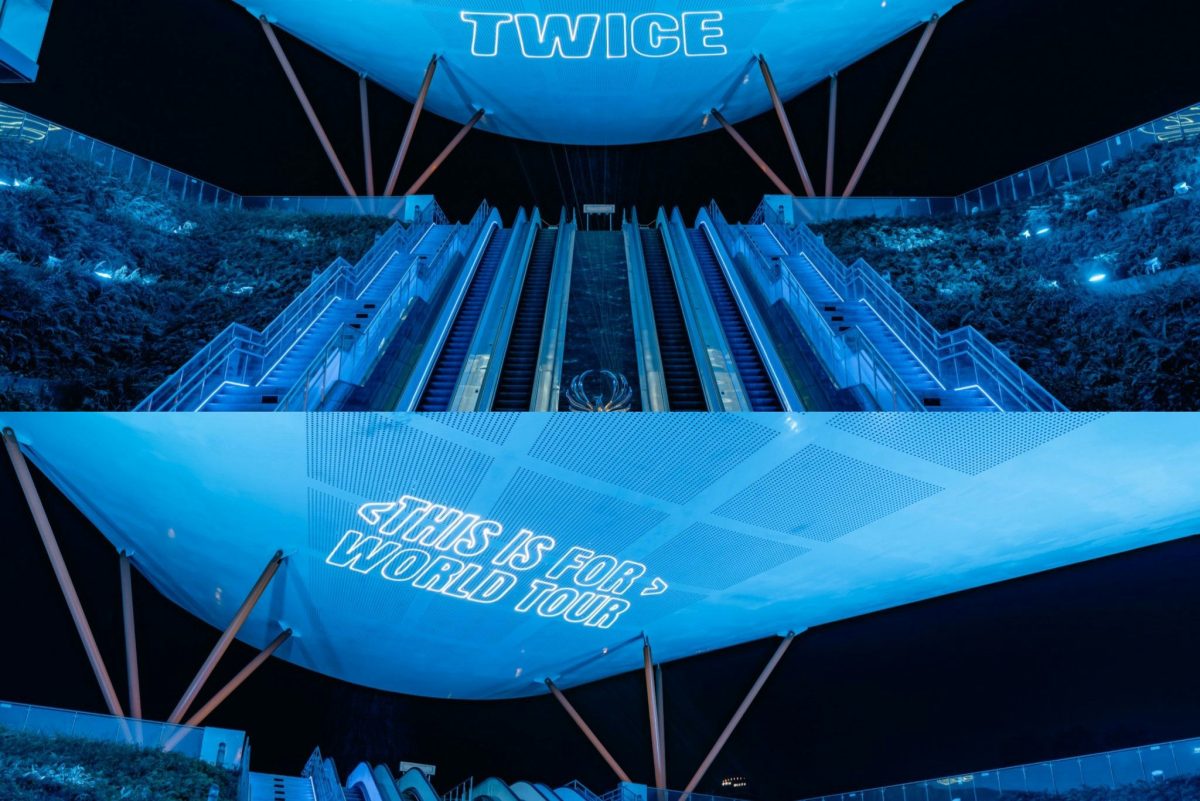
Despite the narrative that TWICE has passed its prime in Korea — especially when compared to their golden years from 2016 to 2018 — the group continues to thrive in Japan. Netizens were quick to point out this contrast:
- “Back during Sixteen, I thought having three Japanese members was too much. Turns out, it was divine strategy.”
- “TWICE made Tokyo Dome feel like KSPO Dome. How is that even possible?”
This latest milestone is a powerful rebuttal to claims of the group’s decline. Japan has long been TWICE’s strongest market, with the group consistently topping charts and selling out arenas. Their Japanese sub-unit MISAMO — comprising members Mina, Sana, and Momo — has also enjoyed commercial success, bolstering the group’s position even further.

TWICE’s enduring success in Japan is no coincidence. The trio of Japanese members, dubbed the J-Line, plays a crucial role in maintaining cultural connectivity and fan loyalty. Their fluency, frequent media appearances, and solo ventures have embedded the group deep within Japanese entertainment.
At the same time, TWICE has been expanding its global footprint. The group appeared at Lollapalooza, drew eyes at the Victoria’s Secret Show, and sold out multiple cities across the U.S. on their tour.
While newer girl groups and BLACKPINK have risen as global icons, TWICE’s diversified strategy — balancing their Japanese stronghold with global forays — has proven effective. They may not dominate Korea’s digital charts as before, but their ability to maintain—and even expand—their influence in one of the world’s largest music markets speaks volumes.

“TWICE is still a top idol group. Just because they’ve shifted focus doesn’t mean they’ve faded away,” one user commented, reflecting a growing sentiment that K-pop success is no longer defined by Korean chart dominance alone.
As they prepare to take the stage at Tokyo National Stadium, TWICE is not only making history — they’re rewriting the standards for longevity and global relevance in K-pop.
You must be logged in to post a comment.