
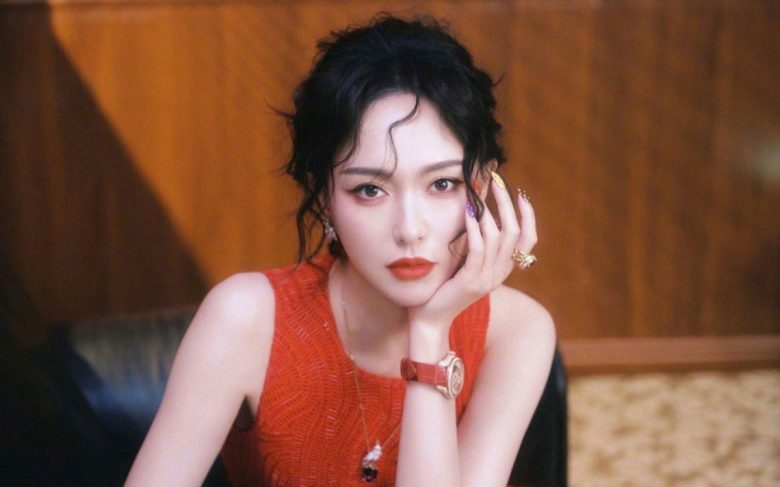
Amid the constantly shifting public opinion in the Chinese entertainment industry, Tiffany Tang suddenly became the center of attention again—this time with genuinely good news. Just one month after the divorce rumors spread across social media, the actress marked a remarkable comeback, earning unanimous recognition from both industry professionals and audiences for her acting. The keyword “Tiffany Tang with ‘top actress’ presence” shot to the top of search rankings, signaling a long-awaited turning point in her career.
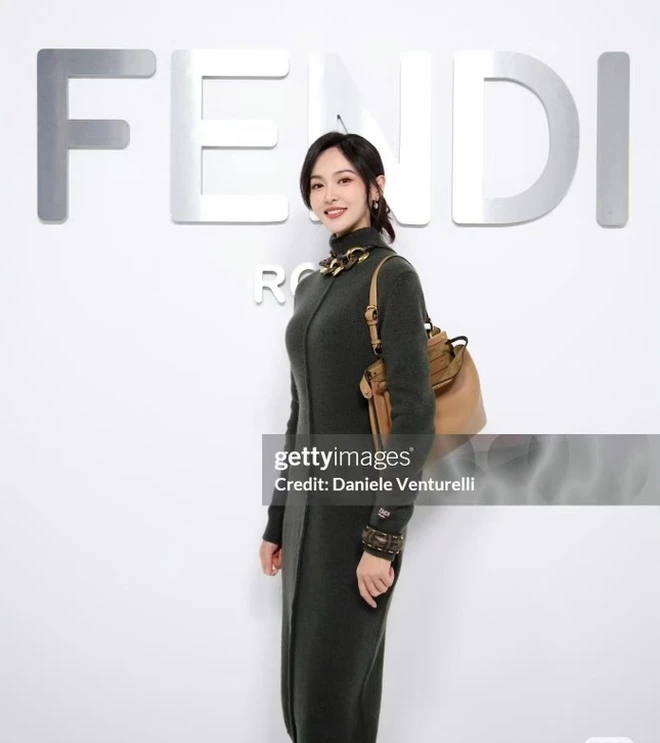
Previously, the last time Tiffany Tang received widespread praise for her acting was for her role as Miss Wang in Blossoms Shanghai. Under the direction of Wong Kar-wai, the role initially drew skepticism, as her long-standing “sweet, idol-style” image led many to question the casting. However, her restrained performance, emotional depth, and mature screen presence in Blossoms Shanghai helped her regain public favor and even secure several major awards. Ironically, earlier this year, controversies surrounding leaked behind-the-scenes audio involving the director once again placed her under intense public scrutiny. Yet instead of damaging her reputation, public sentiment largely sided with Tiffany Tang, with many believing her professionalism and serious approach to acting stood in stark contrast to the one-sided criticisms circulating online.

That recognition reached new heights with her appearance in the new drama Light of Dawn. Although she did not take on the female lead role, Tiffany Tang captivated viewers with her portrayal of Qu Meng, a character defined by two sharply contrasting personas. On stage, Qu Meng is a glamorous lounge singer—seductive, graceful, and mesmerizing in every glance, smile, and movement. Offstage, she transforms into a cold, emotionally repressed woman, her sharp gaze and suffocated emotions conveying deep resentment. The seamless transition between these extremes felt natural and unforced, leading many to acknowledge that Tiffany Tang had truly undergone a dramatic evolution in her acting. Her crying scenes, fragile and heartbreakingly raw, were widely shared online as if they were complete cinematic stills.
Among “post-80 flower actresses”, many have been actively repositioning themselves in recent years, while Tiffany Tang was often seen as lagging behind. Yet following Blossoms Shanghai and Light of Dawn, she has demonstrated a clear direction: she does not need to headline numerous projects; a single role with sufficient depth is enough to move audiences. Her off-screen image has also shifted noticeably, with her words and demeanor reflecting the confidence, independence, and composure of a woman shaped by experience—far removed from her former “sweet candy” persona.

In contrast to Tiffany Tang’s career resurgence, her husband Luo Jin has drawn sympathy from the public. At the height of the divorce rumors, he was dealing with the profound loss of his father. Reports of the couple living apart for over a year were later clarified as a result of Luo Jin staying in Beijing to care for his critically ill father. When the funeral took place, Tiffany Tang’s appearance by her husband’s side quietly dispelled the rumors. Even so, Luo Jin’s subsequent public appearances—marked by a gaunt look, tired eyes, and moments such as being seen visiting a temple with his mother to pray—revealed a grief that will take time to heal.
Now, as the divorce rumors have subsided, Tiffany Tang is openly sharing her professional joy while promoting Light of Dawn, receiving an outpouring of congratulations. For her, this project is more than just a new drama; it is proof that strong acting remains the most enduring value of all. As for Luo Jin, audiences continue to wait for his return to the screen with a role powerful enough to speak for itself—just as he has done throughout his career, quietly, steadily, and with remarkable depth.
You must be logged in to post a comment.